business
Nestlé Abandons Nutri-Score Labels on Swiss Products
Food giant to phase out nutritional labeling system on local brands, citing limited adoption by other companies in Switzerland.
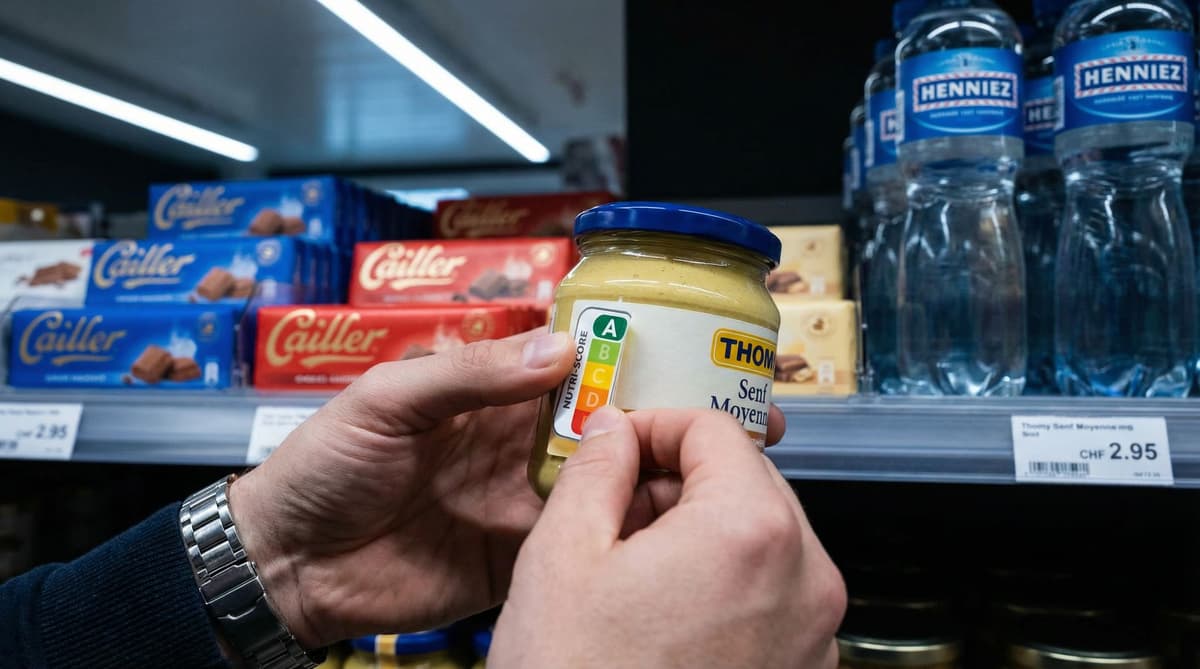
The colorful traffic light system that has adorned Swiss grocery shelves for years is going dark. In a decisive move that shakes the foundation of consumer transparency, food giant Nestlé has announced it is abandoning the Nutri-Score labeling system across its entire portfolio of local Swiss brands. The Vevey-based multinational confirmed that household staples—including Cailler chocolate, Thomy mustard, Henniez water, and Leisi dough—will be stripped of the nutritional ranking starting mid-2025.
This is not a minor adjustment; it is a complete strategic reversal for a company that once championed the system. The phase-out will proceed aggressively through the end of 2026, a timeline Nestlé claims is necessary to avoid packaging waste. While the company attempts to frame this as a local market correction, the implication is clear: the experiment to simplify nutrition for Swiss consumers via a color-coded scale has effectively failed at the corporate level for domestic products.
Standing Alone: The Collapse of Industry Adoption
Nestlé’s retreat is driven by a stark reality: they are fighting a lonely battle. The company bluntly stated that the Nutri-Score system "has not had the hoped-for roll-out here in Switzerland," painting a picture of a fractured industry where solidarity has crumbled. According to the food giant, they have been left as "practically the only ones" still carrying the torch in their specific product categories.
The isolation is palpable. Political support for the voluntary labeling scheme has plummeted, leaving early adopters exposed. Nestlé’s decision to cut its losses reflects a pragmatic, if cynical, calculation: there is no advantage in transparency when competitors refuse to play by the same rules. The system, designed to allow consumers to instantly compare nutritional value across brands, is rendered useless when the competition opts for silence. Nestlé is no longer willing to bear the burden of a system that the rest of the Swiss market has largely rejected.
Retail Giants Trigger the Mass Exodus
The writing was on the wall long before Nestlé made its move. The dominoes began to fall in May 2024, when retail behemoth Migros announced its own withdrawal from the scheme. Migros, a dominant force in Swiss retail, argued that the label was "too little known" and that the logistical effort to maintain it yielded diminishing returns. When a market leader like Migros walks away, the system's viability takes a critical hit.
Following close behind was Emmi, the Lucerne-based dairy processor, which stripped the label from its popular Caffè Latte range. These exits created a permission structure for Nestlé to follow suit. The cumulative effect is a dramatic unraveling of a public health initiative that was once hailed as the future of food shopping. With the exit of these three titans—Migros, Emmi, and now Nestlé—the Nutri-Score in Switzerland faces an existential crisis, reduced to a relic of a failed regulatory ambition.