water
Experts warn drought and pollution threaten Swiss drinking water
Water-sector experts warn that drought and pollution are putting Switzerland’s drinking-water supply under increasing pressure. Around 400 representatives are meeting in Zurich to discuss climate change, contaminants and the cost of water infrastructure.
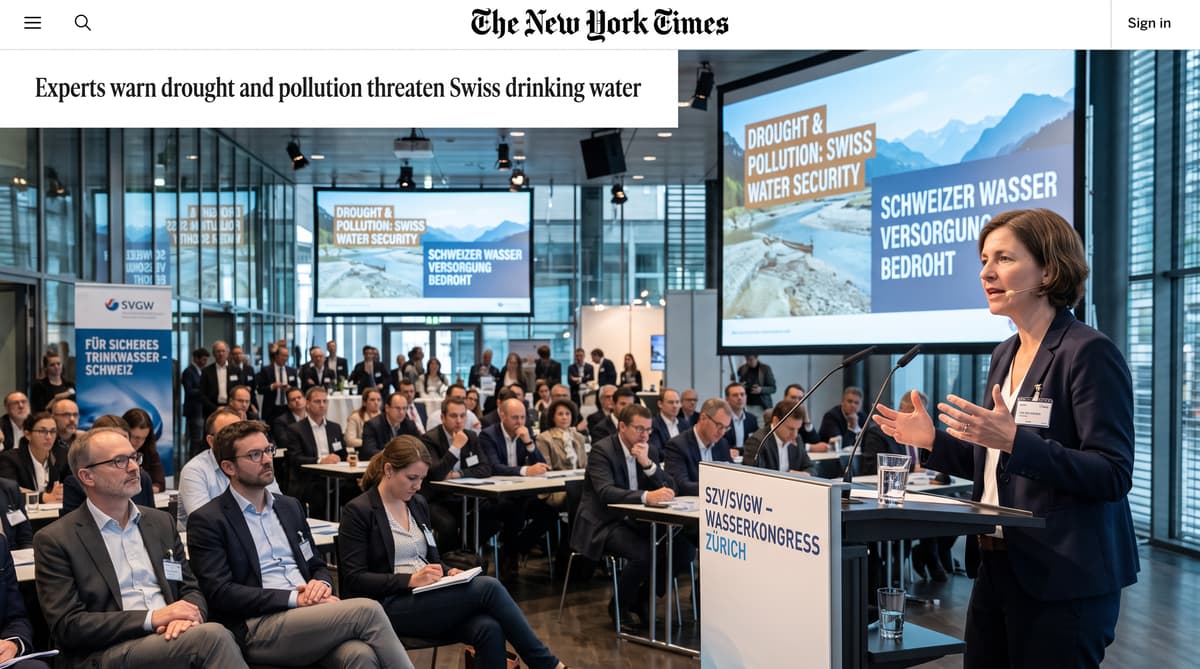
Drought and pollution are putting Switzerland’s drinking-water supply under growing pressure. Water-sector experts are gathering in Zurich to discuss climate change, contaminants and the rising cost of maintaining the infrastructure that delivers clean water.
Around 400 representatives from Switzerland and abroad are expected at Wednesday’s Swiss EurEau Water Summit, the first such event held in Switzerland. The meeting brings together people from drinking-water, wastewater and water-protection organisations.
The challenges reach beyond national borders. The summit invitation points to climate change, trace substances, stronger quality demands and infrastructure financing as major issues for water services across Europe. Bringing the sectors together gives delegates a forum to discuss those linked pressures and possible responses. For Switzerland, where groundwater supplies most drinking water, protecting water sources is an essential part of the conversation.
Protect groundwater before treatment costs rise
Groundwater provides 80% of Switzerland’s drinking water, making the condition of underground reserves critical to household supplies. Chemical contaminants are increasingly putting local groundwater sources under pressure, according to the conference press release.
Around 60% of drinking water can currently be delivered without treatment or after simple treatment. But chemical contaminants can be difficult to remove. The process can demand substantial labour, energy and money, and may not be possible in every case. That makes prevention and groundwater protection especially important for water providers and the communities that depend on them.
The Swiss figures underline why pollution is not only an environmental concern. When contaminants reach groundwater, treatment can become a costly part of securing drinking water. Protecting sources helps preserve the option of supplying water with little or no treatment, while limiting added demands on local infrastructure.
Keep rain in the landscape
Sponge landscapes can hold rainwater in the places where it falls. The approach highlighted by the water-sector statement includes soils, rivers and lakes, wetlands, moors, forests and whole catchment areas that retain water rather than allowing it to run off quickly.
That retention can help reduce peak flows and erosion, ease drought stress and support groundwater reserves. It can also improve habitats and strengthen the landscape’s ability to cope with climate pressures. The benefits extend across several uses of the same land: agriculture, forests, soil fertility, biodiversity, drinking-water supply and local recreation.
For Switzerland, the idea connects water security with how land and catchments are managed. Rainwater that remains in soils and natural areas can support reserves during dry periods, while healthier water systems can serve communities and ecosystems together. The conference places these landscape measures alongside the challenges facing water providers, including pollution and infrastructure costs.
Fund the systems that keep water safe
Water infrastructure must meet rising quality demands while managing the costs of supply and treatment. Financing infrastructure is among the challenges identified for Europe’s water sector, alongside climate change and trace substances. Those pressures are closely linked: contamination can raise treatment needs, while drought puts added importance on protecting and retaining available water.
The Zurich summit brings together drinking-water and wastewater representatives with experts in wastewater and water protection. EurEau, the European water-sector association, represents 38 national organisations from 33 countries, across public and private providers. That membership gives the meeting a cross-border setting for discussing shared pressures and water services.
For Swiss communities, the stakes are practical: safe supplies rely on protecting groundwater, maintaining infrastructure and managing water across catchments. The conference’s focus on these connected issues reflects the range of work required to keep drinking water dependable as climate and pollution pressures increase.