Child protection
Swiss abuse survivors seek a formal role in shaping policy
A new Swiss survivor-led platform is calling for a national commission of childhood abuse survivors to advise parliament on policies and laws. Be Brave Switzerland was launched in Bern on Tuesday as part of the international Brave Movement.
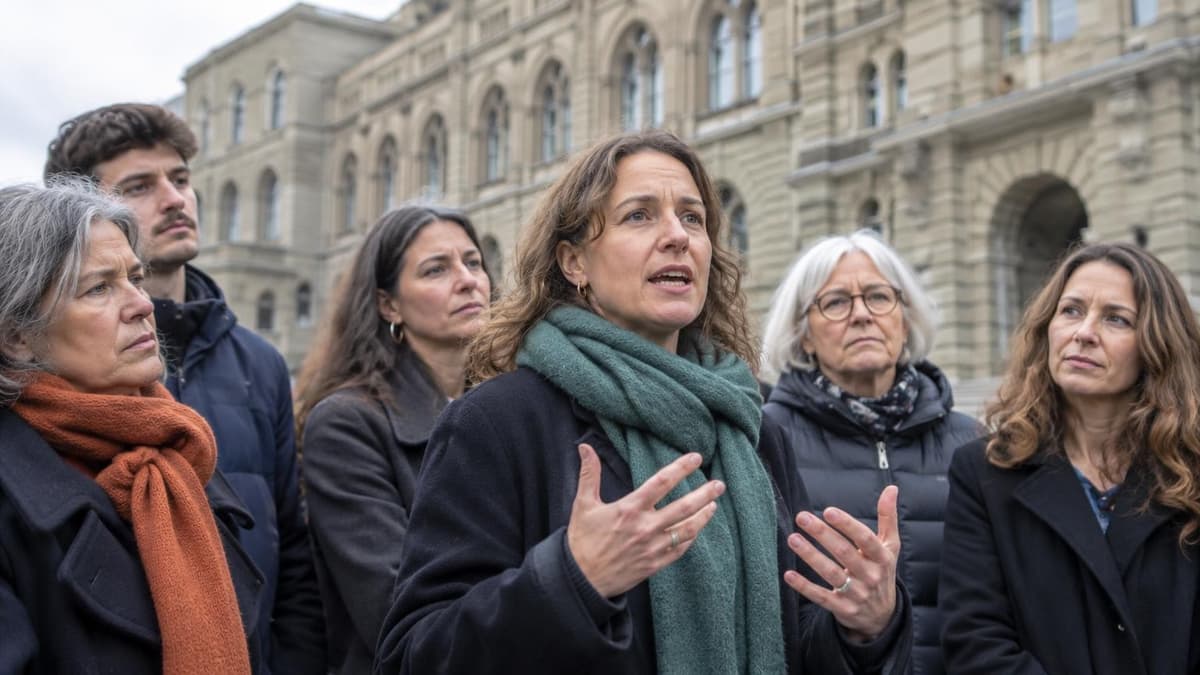
A survivor-led platform has brought a formal role in policymaking to the centre of Switzerland’s child-protection debate. Be Brave Switzerland launched in Bern on Tuesday, November 10, with a call for a national commission made up exclusively of people who experienced childhood abuse. The proposed body would advise parliament on policies and laws affecting survivors.
The launch gives a clear shape to the platform’s demand: survivors should participate directly in decisions that concern them. Be Brave Switzerland says people with first-hand experience understand where systems fail because they have encountered those failures themselves. Its call is for a place in the legislative process, not simply recognition of survivors’ experiences.
The initiative enters Swiss public life as a survivor-led platform, with a stated focus on national policy. Its central proposal is a commission that would bring survivors’ experience into advice to parliament.
Give survivors a seat at the table
The proposed commission would put survivors’ lived experience inside the process of advising parliament. Be Brave Switzerland is calling for a national body composed exclusively of people who have themselves been victims of childhood abuse. The platform’s stated purpose is to advise on policies and laws that affect survivors.
Sophie Juliette In Albon, chair of the Valais-based association LagopAid and founder of Be Brave Switzerland, framed the demand as a matter of participation in lawmaking. “For decades, people have been talking about victims without them being present,” she said. Survivors, she argued, know the system’s failings through first-hand experience and want a seat where laws are decided.
Her words set out the initiative’s case for a formal role: people affected by policy should help shape the advice that informs it. The platform is seeking an institutional channel for survivors’ perspectives, with parliament as the audience for its proposed commission.
Connect local advocacy to a wider movement
The Swiss platform is part of an international survivor-led movement and was formed with a Valais association. Be Brave Switzerland joins the Brave Movement, an international initiative led by survivors. It was set up in collaboration with LagopAid, the Valais-based association chaired by In Albon.
That partnership connects the platform’s national ambition with a local organisation and a wider movement. Its principal demand in Switzerland remains specific: establish a commission made up only of people who have experienced abuse, and give it an advisory role on policy and legislation.
The network’s launch in Bern placed that proposal before the national political arena. Its announcement identifies parliament as the institution the commission would advise. In Albon’s argument links the proposed role to survivors’ direct knowledge of how systems have affected them, making their participation central to the platform’s approach.
Bring lived experience into policy
The initiative’s proposed commission would bring survivor experience into national discussions about laws and policies. Be Brave Switzerland launched its call against a backdrop of child abuse cases that also appear in Switzerland’s paediatric clinics. In 2025, 2,380 children and adolescents were treated at one of the country’s 19 paediatric clinics following suspected or confirmed abuse.
Those figures show the scale of clinical response across the country. The platform’s proposal addresses a different part of the response: who gets to advise parliament as it considers policies and laws affecting survivors. Be Brave Switzerland argues that people who have experienced abuse can identify system failings from first-hand knowledge.
The platform is asking for a formal national commission to carry that perspective into parliamentary advice. Its launch in Bern marks the start of that call, with survivors’ participation placed at the centre of its proposed policy role.