Novartis
Novartis halts cell-therapy trials after three patient deaths
Novartis has halted several experimental CAR-T cell-therapy trials after three patients died from immune-related complications.
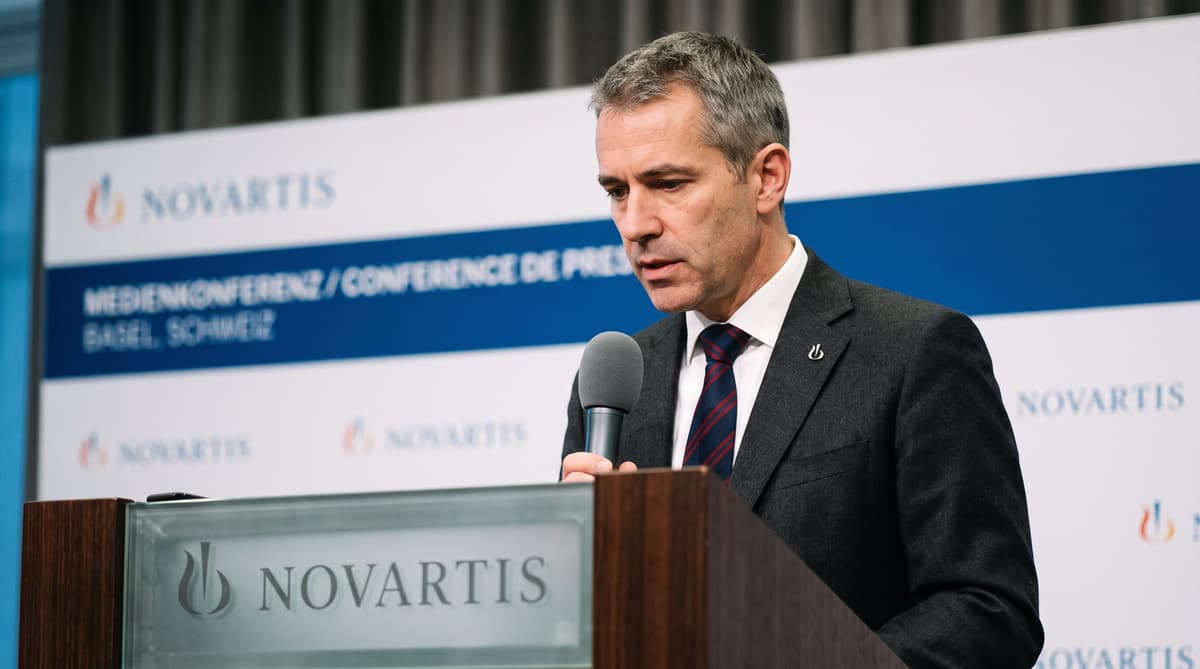
Three patient deaths have brought Novartis’s experimental rap-cel programme for autoimmune disease under an immediate safety review. The Basel-based pharmaceutical company halted several clinical trials at the end of August after investigators reported three cases of immune effector cell-associated haemophagocytic syndromes. The complications proved fatal, according to a Novartis statement confirmed to AWP and reported by Keystone-SDA on September 1, 2026.
The suspended studies sit in Novartis’s immunology and neuroscience programmes, where researchers are testing whether a powerful cell-based treatment developed in oncology can be redirected against autoimmune disease. The decision removes patients from ongoing trials while the company examines the emerging safety data and considers its next steps.
The announcement carries particular weight in Basel, one of Europe’s major pharmaceutical centres. Novartis employs large research and development operations in Switzerland, and its clinical decisions are closely watched by regulators, investors, hospitals and patients who depend on new treatment options. The company has stressed that the pause does not extend to its cancer programme for rap-cel. That distinction leaves the oncology trials continuing while the autoimmune and neuroscience studies face a detailed reassessment.
What Rap-Cel and CAR-T Therapy Do
Rap-cel is a genetically engineered immune-cell treatment designed to make a patient’s own defences attack diseased cells. Its full name is rapcabtagene autoleucel. The therapy belongs to the CAR-T family, in which white blood cells are collected from a patient and genetically modified so they can recognise and destroy selected target cells before being returned to the body.
CAR-T therapies have become an important area of cancer research because they can produce a highly targeted immune response. Novartis is now testing whether the same basic approach can help reset harmful immune activity in autoimmune diseases, including conditions studied in its immunology and neuroscience programmes.
That power also creates a serious safety challenge. Once activated, engineered cells can produce an intense immune reaction. The source identifies immune effector cell-associated haemophagocytic syndromes as the complication behind the three deaths in the affected trials. In these cases, the immune system’s response can become damaging rather than therapeutic. The company has not released further clinical details in the cited report, including the diseases involved, the patients’ treatment timelines or the precise circumstances of each fatality. Those facts will matter as investigators assess the risk profile of rap-cel outside oncology.
Why CAR-T Risks Trigger Trial Pauses
The reported complication is a known risk of powerful CAR-T immune activation, and three fatalities have forced the risk calculation back into focus. CAR-T treatment does not act like a conventional tablet that gradually leaves the bloodstream. It uses living, modified cells that can continue to respond after they are infused into the patient.
That biological activity is central to the treatment’s potential and to its danger. The immune response can cause severe systemic complications, including the haemophagocytic syndromes cited by Novartis. Such reactions require close monitoring and rapid medical intervention in specialised centres. The Swiss report does not provide rates for the complication, nor does it say whether the cases shared a particular disease, dose or patient characteristic.
The decision also follows a wider pattern in the sector. The Wall Street Journal reported the Novartis suspension, while the Swiss report noted that US competitor Bristol-Myers Squibb had previously suspended similar trials as a precaution. That does not establish that the programmes carry identical risks, but it shows why developers treat unexpected immune-related deaths as a trigger for immediate review. For patients considering experimental therapy, the pause underlines the difference between a promising mechanism and a treatment whose safety has been established across a wider population.