Banking
How Switzerland’s rescue of a Russian bank went wrong
A Swiss rescue of a Russian bank in 2022 allowed the lender to resume operations under new ownership, but the arrangement later ran into serious problems. A new investigation traces the decisions behind the short-lived effort to resolve the bank’s future.
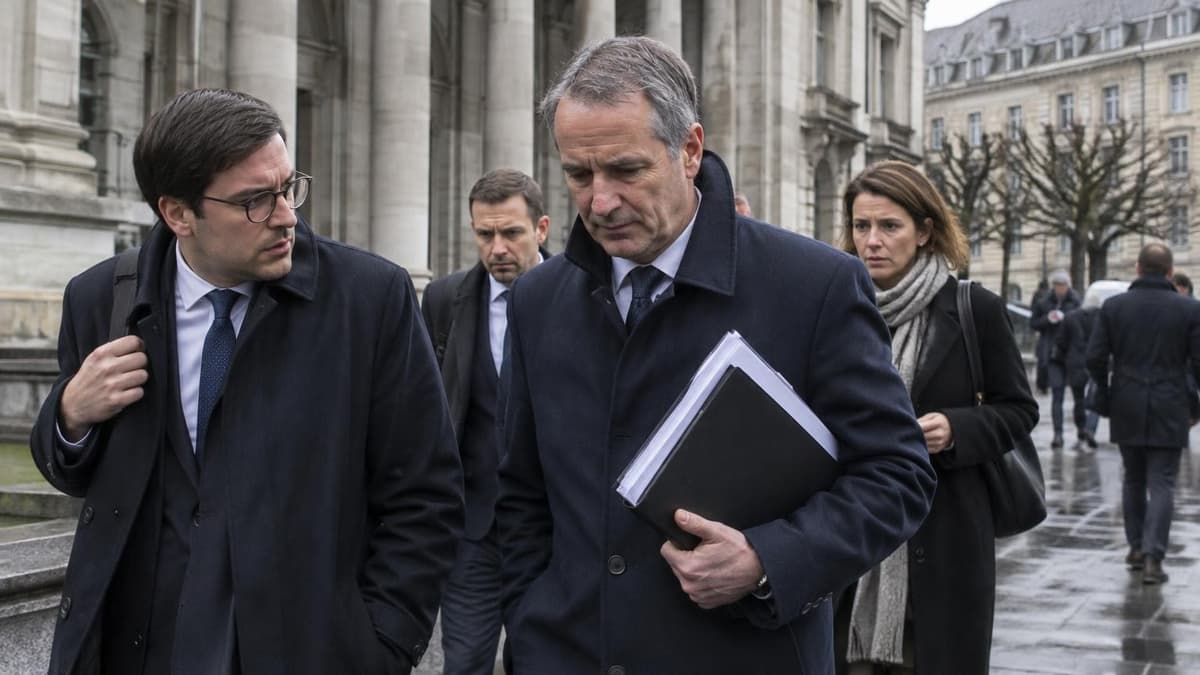
For three days in September 2022, Swiss authorities had a narrow opening to transfer a sanctioned Russian bank into new hands. At 10am on a Friday, FINMA temporarily lifted restrictions imposed six months earlier on Sberbank Switzerland, the Zurich-based subsidiary of Russia’s largest bank. The lender held hundreds of millions of francs in assets and counted major commodity traders among its clients. Its liquidation risked years of legal and administrative wrangling. The temporary reprieve enabled an extraordinary sale: the bank passed to two Western businessmen and took the name TradeXBank. For Switzerland, the arrangement offered a way to keep the lender operating while separating it from its Russian parent. FINMA said it would monitor the bank closely. The plan’s short runway, however, would not prevent the new owners from falling into conflict.
Put two unlikely buyers in charge
The deal handed the bank to two buyers far outside a conventional banking takeover. Stephen Lynch, an American investor educated at Wharton who had spent decades making deals in Russia, joined forces with Abdallah Chatila, a Lebanese-born Swiss jeweller and property entrepreneur. The sale was cleared by the US Treasury and Switzerland’s sanctions agency, SECO. It paid Kremlin-controlled Sberbank about CHF 130 million, while Russia’s invasion of Ukraine continued and Western sanctions reshaped the ownership of Russian assets abroad. The transaction offered Swiss authorities a route to preserve the lender and its jobs. Christian Lüscher, a former Swiss parliamentarian appointed chair of TradeX, called the arrangement “absolutely brilliant”. That confidence rested on a fast-moving sale and an unusual ownership pairing. The financing of the transaction would later become a central point of criticism directed at FINMA.
Watch the rescue unravel
The new owners were already locked in a bitter dispute when the sale’s ink was barely dry. Within four years, the rescue had become a fight involving unpaid debts, disputes between Lynch and Chatila, and legal battles in several countries. Those problems put the bank’s survival at risk: TradeXBank faced the possibility of being wound up before a last-minute settlement. The lender’s troubles exposed the fragility of a quick ownership transfer built under the pressure of sanctions. Western governments had to find new owners for billions of dollars in Russian assets, and, according to critics cited in the investigation, unconventional buyers sometimes arrived with opaque financing. TradeXBank had been able to resume operations after the sale, but the change in ownership did not settle the disagreements between its new owners or prevent them from escalating into legal action.
Put FINMA’s oversight under scrutiny
The dispute has sharpened questions about FINMA’s judgment and Switzerland’s reputation as a financial centre. Banking supervision was already under pressure after Credit Suisse collapsed in 2023, alongside repeated money-laundering scandals and bank failures that had damaged the country’s standing as a safe haven for global wealth. Monika Roth, a Swiss academic and lawyer in banking compliance, said FINMA should have asked who was financing the purchase and how the deal was funded. She also called it astonishing that the TradeXBank saga continued for years. FINMA had promised close monitoring when it approved the bank’s return to operations. The case now sits among a wider set of concerns about how regulators handled difficult bank transfers during sanctions, especially when buyers came from outside traditional corporate circles. In May 2024, TradeXBank was reported to be able to resume dollar-denominated activities after being removed from the sanctions list.