Switzerland
Swiss cities tighten Airbnb rules amid pressure on housing
Swiss cities and tourist destinations are tightening rules on Airbnb as short-term rentals reduce the supply of homes for local residents and workers. Property owners and tenants’ groups remain divided over limits such as Lucerne’s 90-night cap.
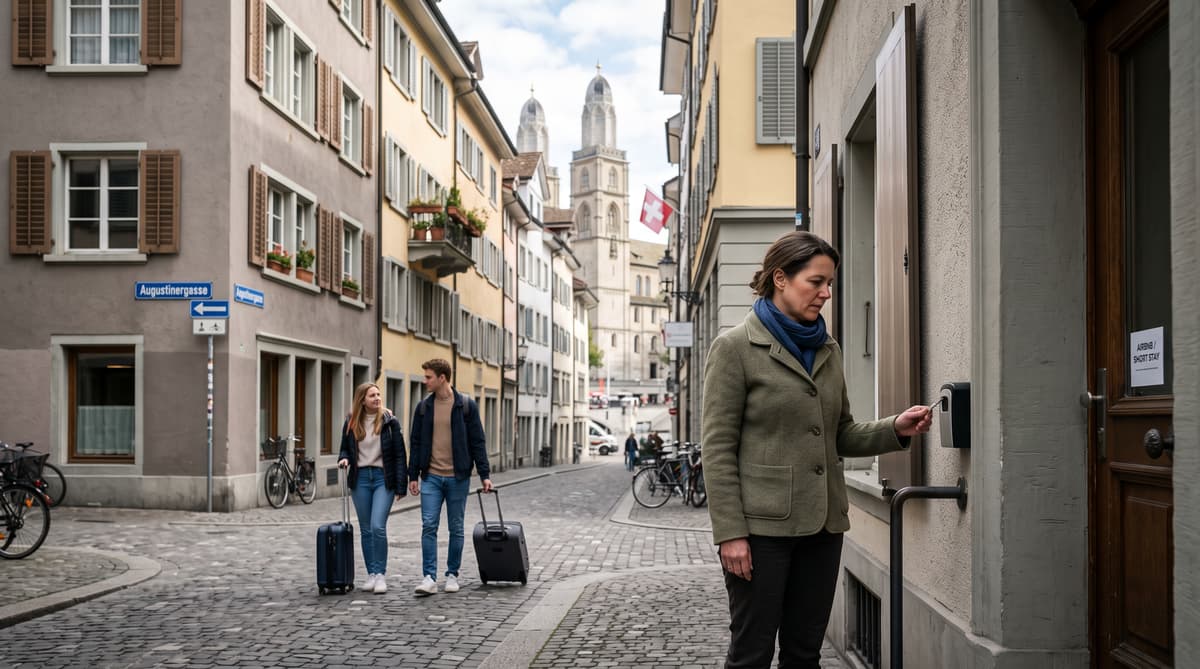
Swiss cities are moving to restrict holiday lets as residents and employers compete for a shrinking supply of homes. Lucerne began enforcing a cap in 2025, limiting certain properties used for short term rentals to 90 nights a year. Zurich and Interlaken have since adopted similar restrictions, extending a regulatory shift from one city to several major destinations.
The rules target homes developed for short term letting since 2010 when that use displaced or reduced the local housing stock. Owners must register affected properties in Lucerne. The policy reflects a concern shared by tenants’ organisations and hoteliers: a home that serves a continuous stream of visitors cannot house a local resident, a family or a worker seeking accommodation near a job.
Airbnb and comparable platforms remain popular with travellers and can generate significant returns for owners. That commercial appeal has sharpened pressure in cities and tourist regions where housing is already expensive or scarce. Tenants’ groups say ordinary homes should remain available to the residential market. Property owners counter that local governments risk imposing broad restrictions on a relatively small number of properties.
Make Lucerne’s 90 Night Cap Stick
Lucerne’s 90 night ceiling has become the clearest test of how far cities should go to protect residential housing. The city’s rule applies to homes created for short term letting since 2010 where that use has reduced the housing available to local residents. Registration gives authorities a way to identify properties and monitor compliance.
Mario Stübi, president of the Lucerne Tenants’ Association, says the restrictions arrived late. He argues that ordinary homes should not be removed from the rental market for a permanent succession of visitors. “Ownership comes with responsibilities,” Stübi said during the debate. In his view, owners who do not rent conventionally must accept rules established by the community.
Damian Hunkeler, president of the Lucerne Homeowners’ Association, disputes both the need and the design of the cap. He points to around 330 Airbnb listings against more than 48,000 homes in Lucerne when the measure was introduced. That is less than 1% of the city’s housing stock, he says, and does not justify another layer of regulation or the enforcement costs that taxpayers may ultimately bear.
Bring Tourist Regions Under the Same Rules
Zurich has approved five new enforcement posts for three years as cities turn Airbnb rules into an administrative task. The staffing decision shows that restrictions require more than a vote at city hall. Authorities must identify qualifying properties, process registrations and determine whether individual listings fall within local limits. Zurich and Interlaken have followed Lucerne with comparable measures, although the source does not specify identical thresholds or enforcement systems.
The debate reaches beyond urban centres. Valais has the highest number of registered short term rentals among Swiss cantons, according to the source. Olivier Andermatt, president of the Valais Hoteliers’ Association, says commercial holiday lets should face the same requirements as hotels and other tourist accommodation. He cites fire safety, hygiene and employment law among the areas where equal treatment matters.
Mountain communities face a particularly difficult balance. Visitor accommodation supports tourism, while high property prices and limited construction can push local residents out. The issue has also produced disputes in Ticino, where rules governing holiday rentals in converted barns have drawn federal criticism. Across the country, cantonal and municipal approaches continue to vary.
Measure the Results Before Tightening Further
Switzerland’s next phase will depend on whether local restrictions can be enforced without creating disproportionate costs or loopholes. Tenants’ groups want more homes returned to the residential market, particularly in places where workers struggle to find accommodation. Hoteliers want short term rental businesses to meet comparable safety, hygiene and employment standards. Owners’ organisations are warning that blanket limits may interfere with property rights and impose costs that exceed the effect of the listings involved.
The Lucerne figures capture the dispute. Around 330 Airbnb listings represented less than 1% of more than 48,000 homes, according to Hunkeler. For tenants’ representatives, the relevant issue is not only the citywide percentage. A concentrated group of holiday lets in a popular neighbourhood or tourist centre can affect the homes available to people who live and work there.
Zurich’s decision to fund five posts over three years suggests that cities are prepared to invest in oversight. The results will shape the next argument: whether registration and night limits return meaningful housing to residents, or whether municipalities need broader policies to address shortages. For now, Swiss cities and tourist destinations are testing different ways to keep tourism active while preserving long term homes.