Switzerland
Basel Zoo welcomes gorilla baby after difficult year for group
A new male western lowland gorilla has been born at Basel Zoo, several months after two gorillas in the same group died following attacks by the dominant male. The zoo says it is closely monitoring the group’s dynamics.
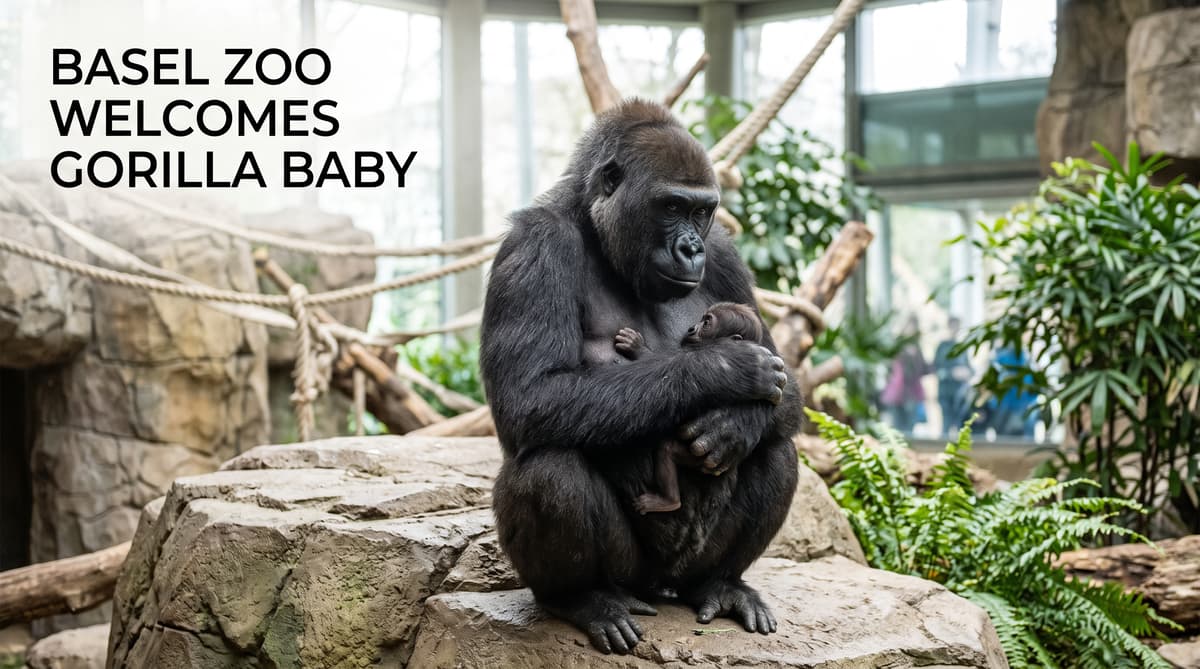
A male gorilla born on September 24 has brought a new focus to Basel Zoo’s closely watched group. Makala, an 11-year-old female, gave birth to her first baby on World Gorilla Day. The infant, named Xola, is being carried against her body and nursed regularly, the zoo said on Monday.
The birth follows a difficult summer for the western lowland gorillas at the Basel institution. In July, Yeba, the group’s 14-year-old dominant male, fatally injured a newborn during a fight with the baby’s mother, 37-year-old Joas. Shortly before that incident, the zoo euthanised Mobali, an 11-year-old male, after Yeba bit him in the genital area.
Those deaths led Basel Zoo to monitor the group more closely and consult outside experts. Staff increased their vigilance ahead of Makala’s expected delivery. The new arrival therefore carries significance beyond the routine announcement of a zoo birth: keepers are observing how the group responds after two fatal conflicts involving its dominant male.
For now, Makala is limiting contact between Xola and the rest of the troop. She withdraws to a quieter area when other gorillas approach too closely.
Keepers monitor the group
Two gorillas died in July, placing every interaction around the newborn under scrutiny. Yeba remains the group’s dominant male and the father of both the earlier newborn and Xola. The zoo has not reported a fresh aggressive incident since the latest birth, but it is maintaining heightened observation of the group’s behaviour.
The earlier deaths exposed the risks that can accompany social life in a gorilla troop. The first occurred after Yeba fought with Joas, who had given birth only a few days earlier. During that conflict, the male bit and fatally injured the infant. Mobali’s death came shortly beforehand, after an injury inflicted by Yeba that left euthanasia as the only option, according to the zoo’s account.
Basel Zoo said it had consulted experts after the incidents and was monitoring the group’s dynamics. The birth of Xola has increased the need for careful management, particularly while Makala keeps the baby close and other gorillas test the limits of contact.
The zoo reports that current social interactions are proceeding smoothly. Seven-year-old Qaziba has shown particular interest, approaching cautiously and touching the baby gently. Keepers regard such behaviour as useful social experience for a young female that may raise offspring in the future.
Let the mother set the pace
Xola will remain dependent on Makala for years, with breastfeeding typically lasting three to four years. The mother has been carrying him snugly and retreating with him to quieter parts of the enclosure when the group becomes too curious. That early physical contact is central to the infant’s protection and care.
The zoo says Makala is attentive and nursing regularly. At the same time, keepers are allowing carefully managed social contact to develop. Qaziba’s cautious approaches and gentle caresses offer a glimpse of how younger females learn the social skills associated with raising infants. Such behaviour can help a troop integrate a new member while preserving distance around the mother and baby.
The birth also arrives amid wider debate in Switzerland about gorilla breeding in captivity. Conservation groups, including the Fondation Franz Weber, have called for Basel Zoo to stop breeding gorillas. The debate centres on animal welfare, the management of captive social groups and the role of zoos in protecting threatened species.
Basel Zoo’s immediate priority is narrower and practical: assess the group day by day, recognise warning signs and give Makala control over how quickly others approach Xola. The infant’s progress will depend on that balance between contact and protection.
Track the conservation stakes
Western lowland gorillas remain critically endangered, and their wild population continues to decline. The IUCN Red List identifies hunting and the destruction of natural habitat as major threats to the species. For Basel Zoo, Xola’s arrival is therefore part of a conservation conversation that extends well beyond the enclosure in Riehen.
Captive births can support coordinated breeding programmes and help the public connect with a species under pressure. They also require zoos to manage complex social relationships, particularly when a dominant male has already caused fatal injuries within the group. Basel Zoo’s decision to increase vigilance and seek expert advice reflects the tension between long-term breeding objectives and the immediate welfare of individual animals.
The coming months will show whether the current calm continues as Xola becomes more active and begins interacting with other members of the troop. Makala’s protection will remain central, while Qaziba and the rest of the group gradually adjust to the infant’s presence.
For visitors in Basel, the newborn offers a rare chance to observe early gorilla development. For the zoo, it brings a demanding period of surveillance, careful introductions and ongoing decisions about the composition and safety of the group.