public health
Vapes containing synthetic cannabinoids reported in Switzerland
Vaping liquids containing synthetic cannabinoids have been reported in Switzerland, with cases identified in Zurich and St Gallen. The substances, sometimes marketed as “Zombie-Liquids” or “Baller-Liquids”, are covered by Switzerland’s Narcotics Act.
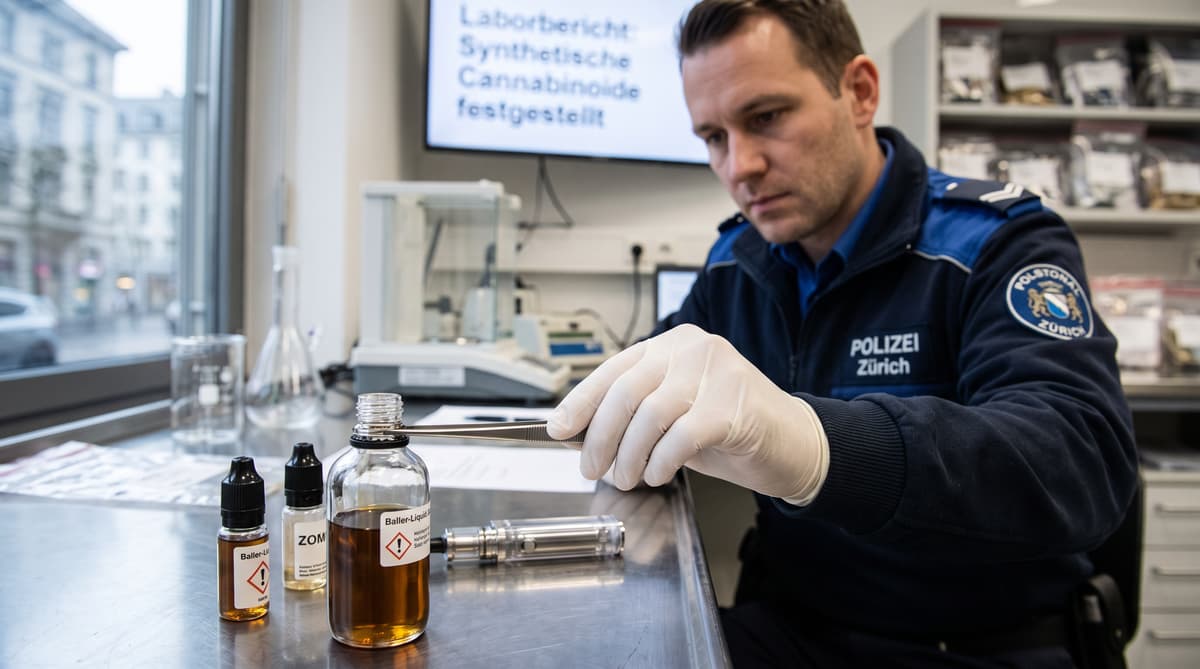
Cases in Zurich and St Gallen have brought synthetic-cannabinoid vape liquids onto Switzerland’s public-health radar. The products have circulated under names including “Baller-Liquids”, “Zombie-Liquids” and “Knaller-Liquids”, and are sometimes described as Spice. Zurich cantonal police confirmed they had encountered the products, while saying they knew of only a few cases. The reports do not yet signal a confirmed wider trend.
Swiss law already treats the substances as narcotics: synthetic cannabinoids fall under the Narcotics Act. That legal status sets these liquids apart from ordinary vape flavourings, even when their packaging or names make them appear like consumer products. The reports from two cantons have prompted attention from addiction specialists and prevention services. Their immediate concern is that the liquid’s contents can be unknown, leaving users unable to judge what they are inhaling or how it may affect them.
Know What the Vapour Can Contain
Synthetic cannabinoids can act more powerfully than the cannabis compound they imitate. Addiction Switzerland says the substances mimic THC, cannabis’s main psychoactive ingredient, but can be far more potent. Reported effects include a racing heart, loss of consciousness, seizures, hallucinations and psychosis. In extreme cases, they can kill.
The unknown ingredients add to the risk. A person using a liquid may not know whether it contains synthetic cannabinoids, or how much. Addiction Switzerland spokesman Lucas Philippoz told SRF that the phenomenon deserves particular attention because young people may be inclined to experiment and e-cigarettes are already popular among them. Sweet or fruity flavours and colourful packaging can appeal to younger users, who may mistake the liquids for harmless flavourings.
Philippoz’s warning focuses on the combination of appealing presentation and uncertain contents. A vape that looks or tastes like a conventional flavoured product can carry a very different risk when it contains a synthetic drug.
Help Young People Spot the Risk
Swiss prevention services are watching for signs that the products reach young people. Zurich’s municipal addiction-prevention office says it knows of no cases in the city’s schools. Its director, Petra Buchta, said the office is monitoring developments and advising schools about new substances.
Addiction Switzerland urges parents and teachers to stay alert and discuss the risks with young people. The organisation’s advice is direct: anyone who suspects a vaping liquid contains synthetic cannabinoids should avoid using it. That warning matters because the products may be presented in colourful packaging or sweet flavours that resemble ordinary e-cigarette liquids.
For schools, families and prevention workers, the focus is on recognising unfamiliar products and making the risks clear. Swiss authorities and specialists have reported cases in Zurich and St Gallen, while Zurich’s school prevention office continues to monitor the issue. Addiction Switzerland has declined to predict whether use will grow, and the reports so far have not established a wider pattern.
Read the Warning in UK School Tests
Testing in English schools shows how synthetic cannabinoids can enter the vape market. University of Bath researchers tested 1,923 vapes and e-liquids confiscated from 114 schools and found synthetic cannabinoids in 13% of samples. The share rose to about a quarter in London and Lancashire. The findings were published in September 2025.
The researchers’ results concern products confiscated from schools, not all vapes in circulation. They also point to a market in which products were often mis-sold as containing THC, cannabis’s main psychoactive ingredient. The findings offer a warning for Switzerland as cases are reported in Zurich and St Gallen, and addiction specialists urge caution around liquids with unknown ingredients.
In Switzerland, the substances are covered by the Narcotics Act. Addiction Switzerland recommends that anyone who suspects a liquid contains synthetic cannabinoids avoid using it, while parents and teachers are urged to talk with young people about the risks.