Health
Zurich researchers find biomarker that can extend detection of knockout drops
A University of Zurich team has identified a biomarker that can indicate exposure to GHB after the drug itself is no longer detectable. The finding could extend the window for investigating suspected drink-spiking cases, where testing needs to happen quickly.
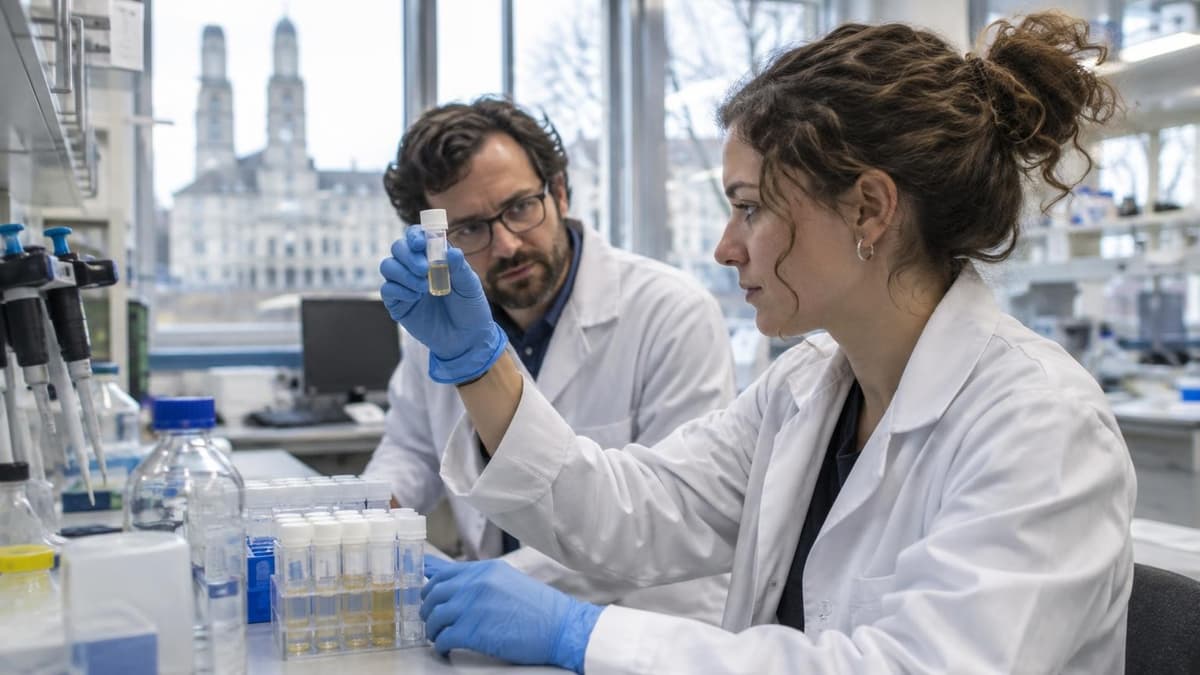
A new urine test could give forensic teams more time to investigate suspected GHB exposure. Researchers at the University of Zurich have identified GHB-pentose, a compound that can signal prior consumption after gamma-hydroxybutyrate, or GHB, has fallen below the detection limit. The finding addresses a tight forensic window: GHB is usually detectable for around six hours in blood and 12 hours in urine.
UZH said every hour counts when someone suspects knockout drops were used. The drug can cause impaired consciousness and memory lapses, and can be taken recreationally or secretly administered to render a person unconscious. Once the active substance has been broken down, conventional testing may no longer show that it was consumed. The biomarker gives forensic specialists another way to look for evidence of exposure, including in cases where testing happens after the usual GHB detection period.
Track the Marker After GHB
The marker forms when GHB binds with a sugar in the body. The resulting compound, GHB-pentose, acts as a biological indicator of previous GHB consumption. That distinction matters in forensic testing because the active drug itself is cleared relatively quickly: UZH puts its usual detection period at around six hours in blood and 12 hours in urine.
Initial evidence of GHB-pentose dates to 2021, when a team led by Andrea Steuer at the Zurich Institute of Forensic Medicine discovered the marker. The new work takes that finding into practical analysis. Researchers looked for the compound in urine, where it could remain detectable after GHB levels had fallen below the method's detection limit. The approach extends the search for evidence beyond the window available from testing for GHB alone, while giving investigators a marker linked to prior ingestion.
Test the Method in Forensic Cases
The team tested the method on 2,414 anonymised urine samples collected between 2024 and 2026. In several suspected criminal cases, forensic experts detected GHB-pentose even after the active drug had fallen below the detection limit. The cases included two robberies and an alleged sexual assault. In those investigations, the marker was found 13 to 16 hours after the incidents.
The results show how the biomarker may support investigations when a person is tested after GHB itself has become difficult to detect. The research was published in the specialist journal Drug Testing and Analysis. Its practical significance is especially clear in suspected drink-spiking cases, where the time between a suspected exposure and testing can determine whether GHB is still detectable. The new method gives forensic laboratories an additional analytical route in that interval, based on evidence of the body's response to GHB rather than only the active substance.
Apply the Finding to Death Investigations
UZH researchers also see a possible role for GHB-pentose in investigations of unexplained deaths. GHB can form naturally in the body after death, complicating the interpretation of a GHB finding. The study found a difference: according to its results, GHB-pentose forms only when GHB is ingested while a person is alive. Researchers detected GHB in 20 urine samples from deceased individuals, but found no GHB-pentose in those samples. The result suggested those individuals had not ingested GHB while alive.
The Institute of Forensic Medicine at UZH has already integrated the analysis into its regular laboratory procedures. The university says further investigation is needed to establish the maximum detection period in individual cases. For now, the method adds a new indicator for forensic teams examining suspected exposure and unexplained deaths, while its reach in any particular case depends on the timing and laboratory findings.