Ukraine
Ukrainians with S status to retain freedom to travel
The Swiss government has proposed allowing Ukrainians with S protection status to continue travelling abroad freely, while introducing restrictions for asylum seekers and other people with temporary admission. The proposal has been submitted to parliament.
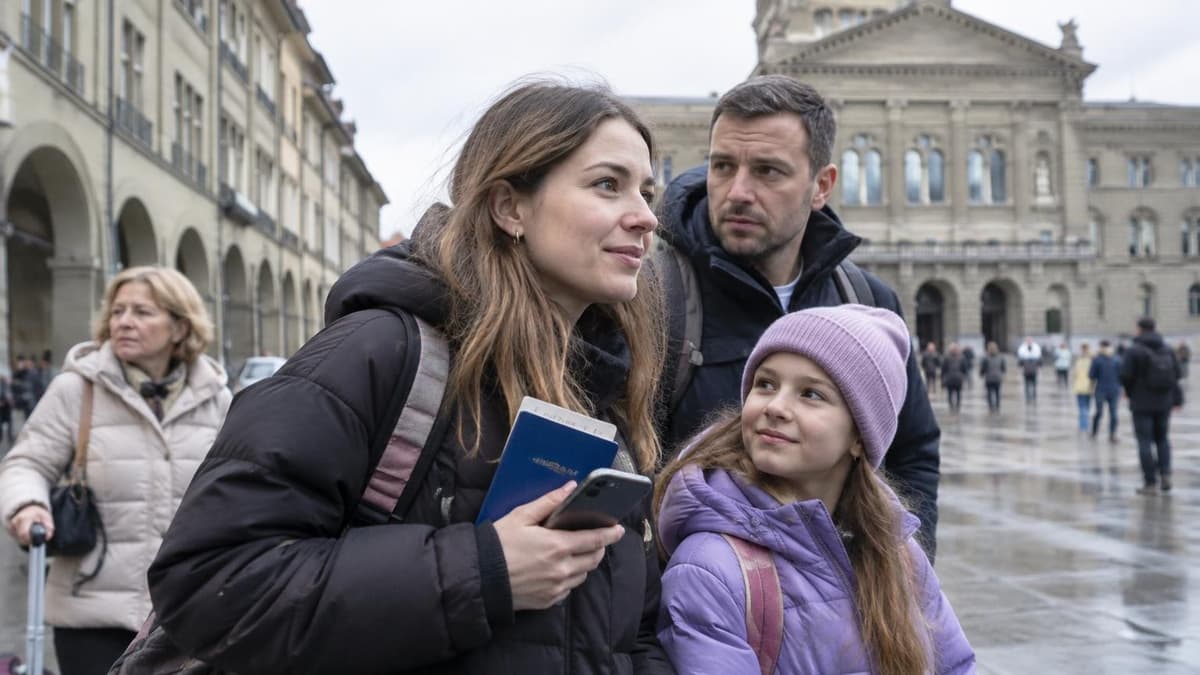
The Federal Council has put a new travel rule before parliament, while preserving Ukrainians’ freedom to travel. The proposal, submitted on Wednesday, November 11, would restrict travel abroad for asylum seekers and people of other nationalities who have temporary admission in Switzerland. People holding S protection status would remain exempt and continue to travel freely.
That distinction keeps the rules for Ukrainians under temporary protection separate from the restrictions proposed for the other groups. The government’s message now goes to parliament. Until any proposed restrictions are adopted, the announcement concerns a proposal, not a change already in force. The government says the special arrangement for S status will last for as long as that status remains in place. For Ukrainians living in Switzerland, the proposal therefore leaves their current travel freedom intact while parliament considers a broader restriction for other people seeking protection or admitted temporarily.
Set the Limits on Travel
The proposed restrictions would reach beyond travel to a person’s home country. Asylum seekers and people granted temporary admission would in principle be unable to travel to their country of origin, their country of provenance or any other country. The rule would therefore cover trips to destinations outside those two categories as well.
The SEM, Switzerland’s State Secretariat for Migration, could permit travel in exceptional cases. That exception would leave the migration authority with a role in deciding when a trip can be authorised despite the general restriction. The proposal sets out a different framework from the one that would continue to apply to S-status holders: Ukrainians under that protection would retain freedom to travel abroad. The Federal Council has submitted the measure to parliament, where the proposed restrictions and the SEM’s exception-making role are now part of the legislation under consideration.
Trace the Delayed Rule
The distinction follows a delay that began when Switzerland activated S protection for Ukrainians in March 2022. Parliament had asked the Federal Council to take action on travel rules in 2021. The introduction of the proposed regulation was postponed after the government activated S status in response to the war in Ukraine. That status allows its holders to travel freely abroad.
The new message to parliament preserves that arrangement for Ukrainians while advancing restrictions for asylum seekers and other people with temporary admission. The two tracks reflect the separate treatment of people covered by S protection and those in the other migration categories named in the proposal. The government’s submission revives the measure parliament had requested, with an ongoing exception for S-status holders. Their freedom to travel is linked to the duration of the protection status, rather than being folded into the proposed general restriction.
Keep the Status in View
Ukrainians’ travel freedom is set to continue for as long as Switzerland maintains S status. The Federal Council extended that protection until March 4, 2028, according to its August 19 announcement. The government’s proposal ties the special travel arrangement to the status itself, so the exemption remains in force while S protection does.
The immediate decision before parliament concerns a proposed restriction on asylum seekers and people with temporary admission, not a withdrawal of travel rights from Ukrainians with S status. For those other groups, the proposal would establish a general ban on travel to any country, with the SEM able to allow exceptions. For S-status holders, the government has chosen to preserve the freedom to travel abroad. Parliament has received the Federal Council’s message, and the proposed restrictions now move into the legislative process alongside the continuing protection arrangement for Ukrainians.