Switzerland
Switzerland braces for difficult COP31 negotiations
Switzerland expects difficult negotiations in the second week of COP31 in Antalya, as ministers arrive to address unresolved differences between participating states. Swiss environment minister Albert Rösti is due to attend.
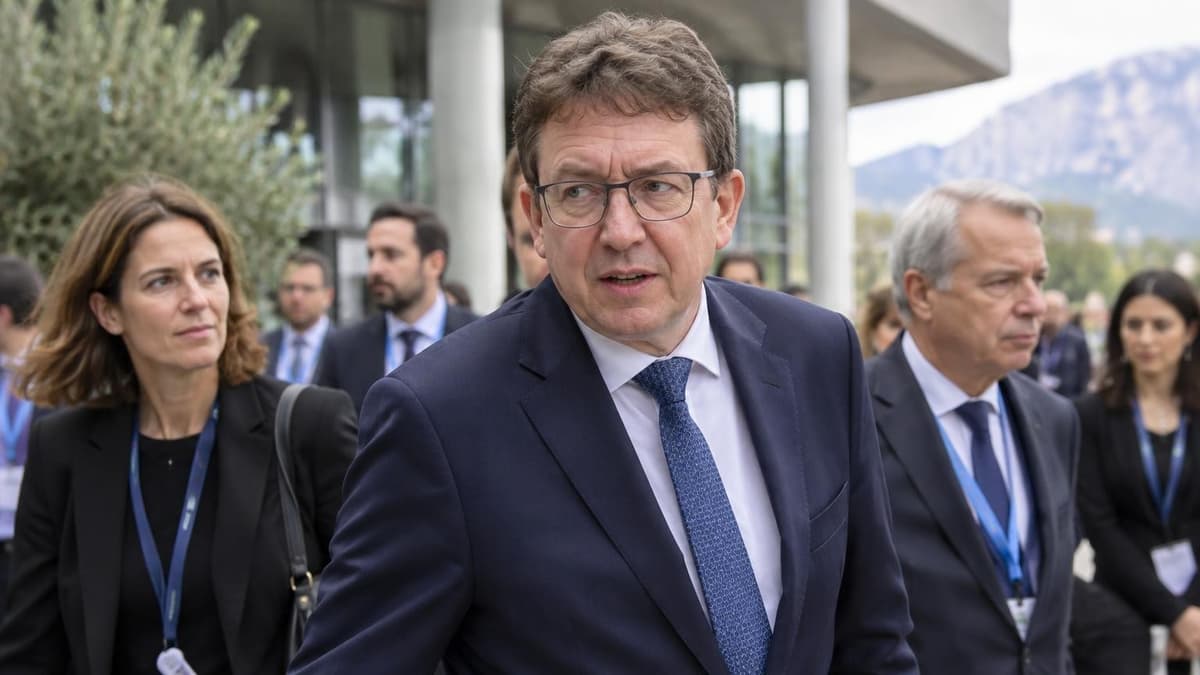
COP31 is entering its decisive political phase in Antalya. The first week of the United Nations climate conference, held in Turkey from November 9 to November 20, was largely devoted to technical discussions among experts. Now ministers from participating countries are arriving, bringing political positions to the negotiating table.
That shift matters for Switzerland because delegates must turn discussions into a shared decision, despite differing concerns among states. Swiss delegation head Felix Wertli says a willingness to cooperate is present, but the decisive work still lies ahead. He expects the second week to bring difficult and intense negotiations.
The Swiss delegation is preparing for a period in which political disagreements are likely to become clearer. Environment Minister Albert Rösti is also due to attend. His participation places Switzerland’s government directly in the ministerial phase as delegates seek common ground.
Put ministers at the negotiating table
The negotiations are shifting from expert-level drafting to political choices. During the first week, discussions focused mainly on technical matters. In the second week, ministers are expected to join representatives from participating countries, bringing their governments’ positions into the process.
Wertli says that change will help identify the main points of disagreement. The task, as he describes it, is to reconcile the various concerns of states in a joint decision. That will require negotiators to work through competing priorities at a higher political level, after the groundwork laid by experts.
The Swiss delegation head has described the coming talks as “difficult and intense”. His assessment reflects the challenge of finding language that participating states can accept together. The arrival of ministers marks a key moment in the conference: they will help determine where governments stand as the effort to reach a collective outcome advances.
Defend Switzerland’s existing commitments
Switzerland’s stated priority is to defend commitments already made. Before COP31 opened, the Swiss delegation said it wanted to protect existing climate commitments in the negotiations. That position gives its representatives a clear focus as states work to reconcile their concerns and produce a joint decision.
Wertli, who leads the Swiss delegation, has emphasised both the willingness to cooperate and the difficulty of the task ahead. His comments point to the balance Swiss negotiators face: maintaining the commitments they regard as important while participating in efforts to find wording acceptable to other countries.
The second week will test that approach in discussions shaped by ministers’ political positions. The Swiss delegation’s aim is to ensure progress at the conference while defending the existing commitments it has identified as a priority. Those positions will be pursued as the talks move beyond the technical exchanges that dominated the opening week.
Bring Rösti into the ministerial talks
Albert Rösti is due in Antalya as the talks enter their ministerial week. The Swiss environment minister’s attendance will bring Switzerland’s government into the phase when political positions are expected to sharpen the main disagreements between states. He joins a process that began with technical negotiations among experts and now faces the challenge of reaching a shared decision.
COP31 is also addressing electrification as a climate-change solution, a subject identified as a key issue at the summit. That wider agenda sits alongside the Swiss delegation’s priority of defending existing commitments. The negotiations will require states to bring those concerns into a common discussion.
For Switzerland, the immediate test is to press its position while working with other participants toward progress. Wertli has said the second week will be difficult and intense. The coming ministerial discussions will show how participating governments approach the task of reconciling their concerns.