rail
Summer heat warped Swiss railway tracks in nearly 100 places
Swiss Federal Railways recorded 97 cases of track distortion and buckling during the 2026 summer heatwave, nearly four times the previous year’s total. The railway said a specialist team is monitoring the affected infrastructure.
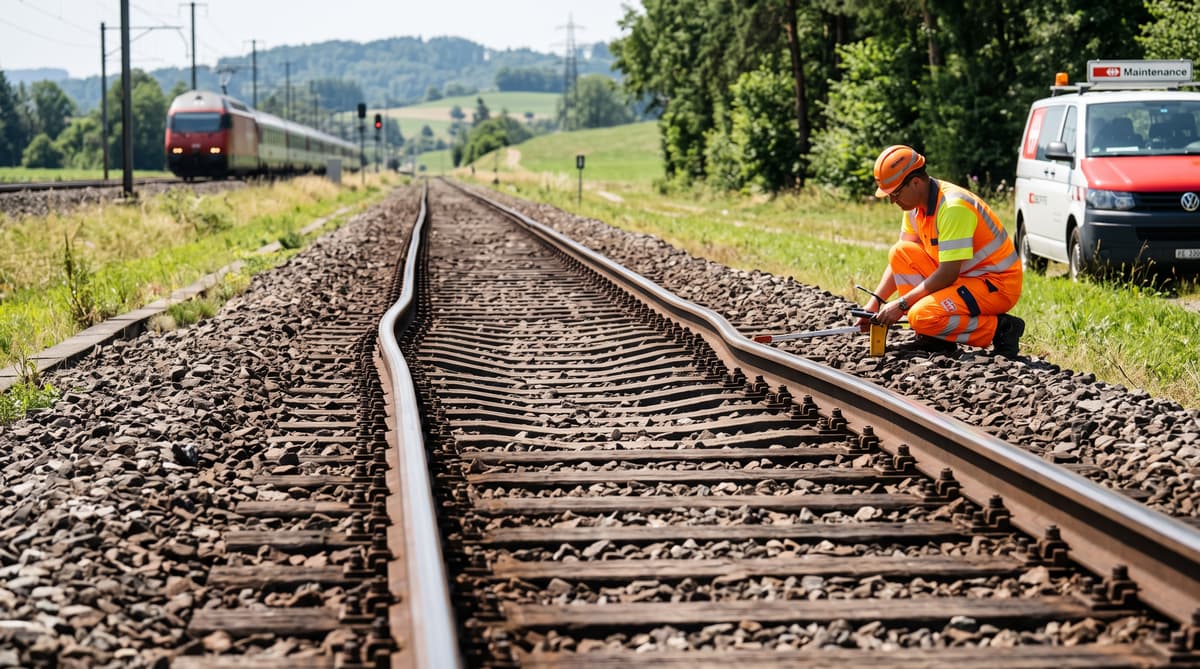
SBB recorded 97 cases of track distortion and buckling during Switzerland’s 2026 summer heatwave. The railway confirmed the figure reported by SonntagsZeitung. The total was almost four times the previous year’s count, marking a sharp rise in heat-related damage across the network.
Track deformation can disrupt railway operations and demands close attention from the operator. SBB said the increase in distortion and subsidence had not affected safety. The company has nevertheless set up a specialist task force after the exceptional summer heat, with a brief to identify further measures where needed.
SBB already inspects its tracks with measuring and diagnostic vehicles. Its response combines those regular checks with targeted, longer-term engineering work. The railway is also examining whether certain surfaces could benefit from white coatings that reduce rail temperatures. The cases have put the resilience of Swiss rail infrastructure under renewed scrutiny as the company assesses how to manage heat-related risks.
Monitor the safety risks
SBB reported that the increase in track distortion and subsidence did not affect safety. The railway’s account sits alongside a warning from Patrick Braess, an expert at ETH Zurich: heat-related rail damage carries a risk of derailments. His concern underscores why track deformation requires monitoring even when operations remain safe.
Rail lines are inspected regularly by SBB using measuring and diagnostic vehicles. After the exceptional summer heat, the company formed a specialist task force to identify further measures where needed. That work is intended to help address risks, although SBB recognises that risk cannot be eliminated entirely.
The 97 cases recorded this summer were almost four times the previous year’s total. SBB’s response reflects the need to keep checking infrastructure as temperatures affect the condition of the track. The railway is considering targeted interventions rather than relying on a single measure, with regular inspection and longer-term changes both part of its approach.
Strengthen the track
SBB is weighing long-term engineering changes to make tracks more resilient to heat. One measure is replacing wooden sleepers with more stable concrete ones. The company is also looking at raising the temperature at which rails are set to be free of stress when welded, so they can withstand higher temperatures.
These measures form part of a targeted response developed after the summer heatwave. SBB set up a task force to identify further action where needed, alongside its regular inspections using measuring and diagnostic vehicles. The company favours steps it expects to work over the long term.
The effort follows a season in which SBB recorded 97 cases of track distortion and buckling, almost four times the previous year’s total. The railway says the rise had not affected safety, while acknowledging that risk cannot be removed entirely. Track inspections and engineering adjustments are central to how it plans to manage heat-related strain on its infrastructure.