Housing
Energy Renovations Lead to Mass Evictions Amid Swiss Housing Shortage
A push to meet climate targets is colliding with a severe housing crisis as large-scale evictions for energy-related renovations become common in Geneva and Lausanne, displacing hundreds of tenants.
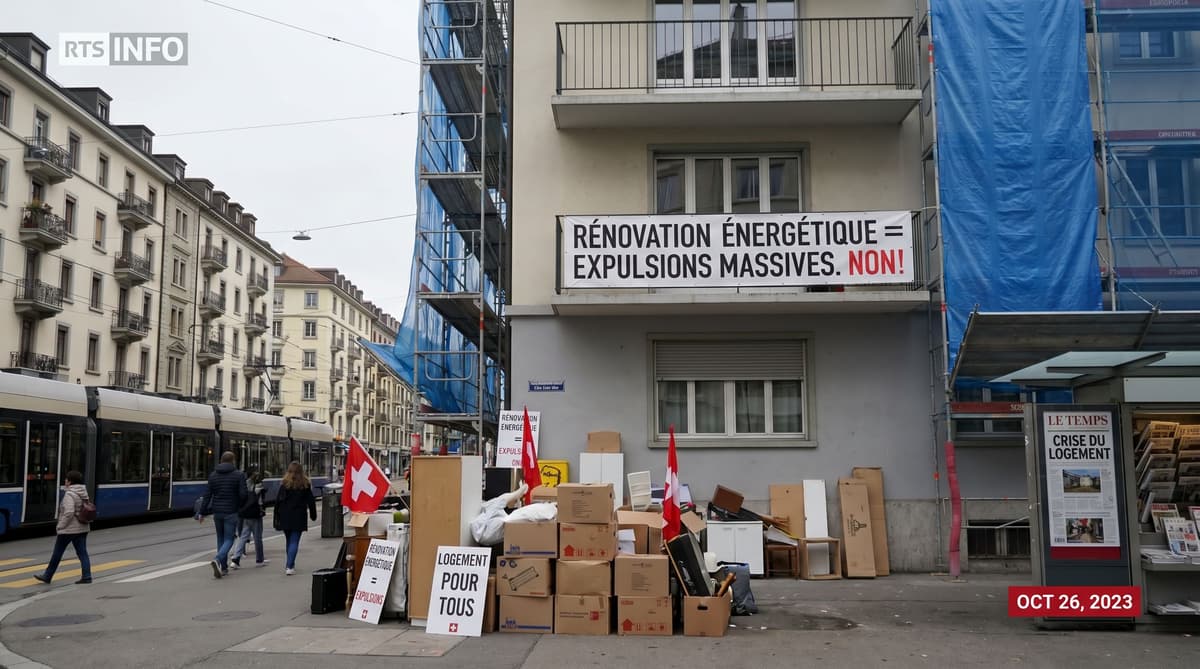
A staggering 107 tenants on Geneva’s Boulevard Carl-Vogt were blindsided this January with termination notices, marking a brutal escalation in Switzerland’s housing crisis. The green revolution is here, but it comes with a heavy human cost as energy renovations become the primary driver for mass evictions across the Lemanic arc. In Lausanne, 16 families on Chemin de Monribeau have already been purged from their homes under the guise of ecological progress. While the federal government pushes for carbon neutrality, the immediate reality for hundreds of residents is a desperate scramble for shelter in a market that has effectively slammed its doors shut. This is no longer a theoretical policy debate; it is a displacement crisis unfolding in real-time across French-speaking Switzerland.
The Fossil Fuel Trap and the 12,000-Building Mandate
Nearly 70% of Geneva’s buildings still rely on fossil fuels, a figure that highlights the monumental scale of the looming renovation wave. To meet the 2050 net-zero targets, an unprecedented 12,000 buildings in Geneva alone must undergo radical energy overhauls. This massive infrastructure pivot is non-negotiable for climate goals, yet it serves as a double-edged sword for the city's inhabitants. Property groups argue that these extensive upgrades—replacing ancient heating systems and overhauling insulation—simply cannot be executed while residents remain on-site. The sheer volume of required work suggests that the current wave of evictions is merely the tip of the iceberg, as thousands more structures are slated for the wrecking ball or the gut-renovation process in the coming decade.
Market Yields Drive the Eviction Engine
Over the last twenty years, Swiss rents have surged by 32%, yet landlords claim they are being squeezed by stagnant returns. In Geneva, net rental yields have plummeted to a meager 1.5-2% when measured against current market values. This financial tension creates a perverse incentive: renovations offer a legal loophole to bypass strict rent controls. Tenant advocates like Fabrice Berney of ASLOCA Vaud are sounding the alarm, stating that terminating leases allows owners to 'reset' prices to market levels that would otherwise be capped for five years. By clearing out long-term tenants, landlords can issue entirely new contracts at significantly higher rates, effectively using green energy as a vehicle for profit maximization. While property owners insist on the necessity of financing these upgrades, the result is a widening chasm between affordable living and environmental compliance.
Survival in a Zero-Percent Vacancy Reality
The vacancy rate in Geneva has collapsed to a critical 0.34%, leaving displaced tenants with virtually nowhere to go. In Vaud, the situation is marginally better but still remains below the 1% threshold, signaling a market in total paralysis. There is no legal safety net; landlords are under zero obligation to assist the families they displace. While a rare 2018 victory in Lausanne saw UBS-owned properties reverse mass evictions after intense tenant organizing, such outcomes are the exception, not the rule. For the majority of residents, the choice is between leaving the city they have called home for decades or paying astronomical premiums for new builds. As Switzerland marches toward its 2050 climate goals, the social fabric of its cities is being tested like never before. The coming years will determine if a 'green' Switzerland is one that only the wealthy can afford to inhabit.