Ukraine
Cantons could set their own social assistance rates for Ukrainian refugees
Around 46,000 Ukrainian refugees in Switzerland will become eligible for social assistance next year, and the federal government wants cantons to set payment levels themselves. Aid organisations warn that regional differences could worsen social hardship.
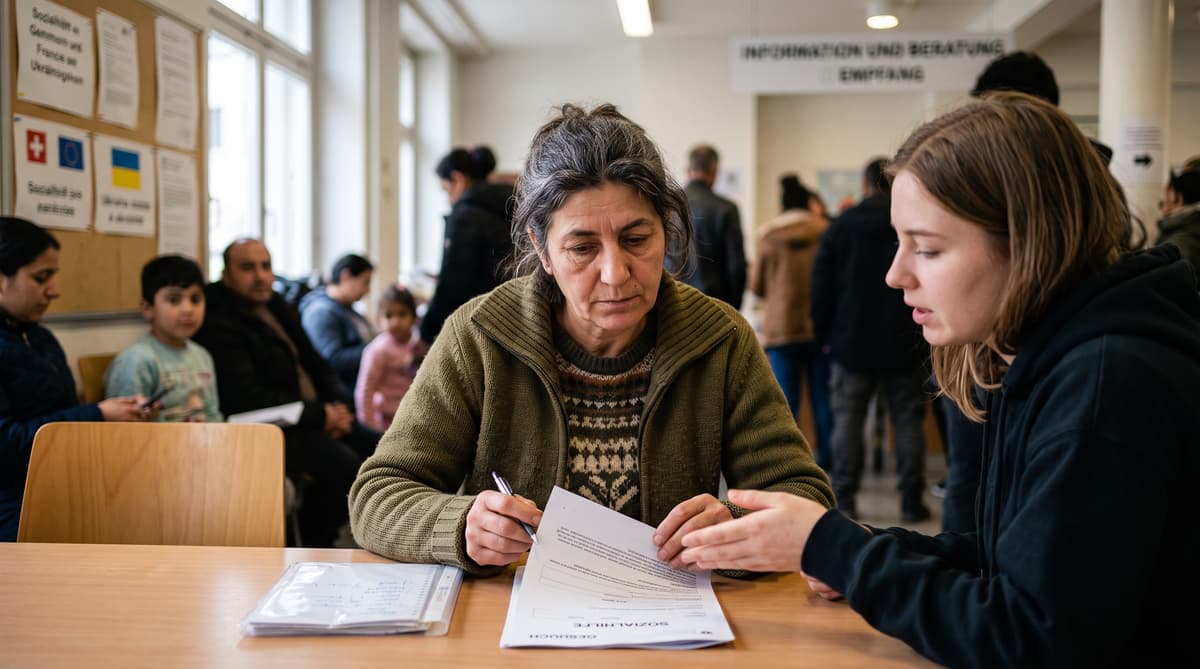
Around 46,000 Ukrainian refugees could enter Switzerland's social assistance system next year, putting a major financing decision before the cantons. The federal government wants to amend Asylum Ordinance 2 so each canton can set the level of support for people holding status S, the temporary protection designation created for people fleeing the war in Ukraine.
If the ordinance remains unchanged, status S holders would receive the same social assistance as Swiss nationals. Mathias Reynard, president of the Conference of Cantonal Social Directors and a member of the Valais cantonal government, said that rate would exceed the current level for asylum seekers. Cantonal authorities argue that the difference would impose substantial new costs, particularly after a federal funding change.
The proposal would let cantons lower payments, potentially to the level available to asylum seekers. That would create a new regional dimension in a system that has so far applied a common federal status. Municipalities, which often administer assistance locally, are pressing for a formal role before the rules take effect.
Cantons seek control as federal funding shifts
The financing rules changed before the new benefit rules were settled. Under Relief Package 27, the federal government abolished its lump sum to cantons for people with status S when that status is connected to a residence permit valid for five years or more. Cantonal social directors say the loss of that contribution makes the expected rise in assistance costs harder to absorb.
The cantons had asked Bern for authority to determine payments themselves. The request appears in the consultation draft, according to Reynard. Each canton would therefore be able to decide whether status S holders receive the full amount available to Swiss nationals or a reduced payment closer to asylum assistance.
That discretion could produce different support levels across Switzerland. The source does not specify the amounts each canton might pay, and no cantonal rate has yet been announced. The Swiss Association of Municipalities has welcomed the proposed flexibility while seeking influence over the final decisions. Municipalities say they would carry the main financial burden, especially where cantonal rules leave local authorities responsible for delivery and supplementary services.
Aid groups warn of poverty and legal inequality
Aid groups say lower payments would deepen poverty and split rights along cantonal lines. The Social Democratic Party, the Greens, Caritas, Heks and Swiss Refugee Aid have rejected the draft. They argue that reducing assistance would make daily life harder for Ukrainian households and weaken access to integration and social participation.
Their concern extends beyond the amount paid each month. If cantons adopt different rates, two people with the same protection status could receive different support depending on where they live. The organisations describe that prospect as legal inequality. They also warn that the amendment could trigger litigation, with courts potentially ordering cantons to repay the difference between reduced payments and the full amount.
The dispute also touches international law. The Radical Liberal Party has told the federal government that the proposal's compatibility with the Refugee Convention remains unclear. The party wants that legal position reviewed while supporting a quick decision. Its timetable calls for adoption in autumn 2026, allowing cantons to revise their social assistance laws before the proposed March 1, 2027 deadline.
Parties split over rates and legal risks
Political parties are divided over both the principle and the scale of the cuts. The Swiss People’s Party welcomes the prospect that status S holders will no longer automatically receive the same level of assistance as Swiss nationals. It says the asylum sector still contains substantial savings potential and wants the proposal tightened further.
The Radical Liberal Party takes a different position on the process. It has called for a review of the legal framework and wants the ordinance adopted quickly enough for cantons to rewrite their rules by March 1, 2027. That leaves the federal government balancing competing demands: cantons want room to manage costs, municipalities want a seat at the table, and critics want safeguards against unequal treatment.
The Social Democratic Party and the Greens oppose the reduction, alongside the main aid organisations named in the consultation debate. Their argument is that a lower benefit would make integration more difficult at a time when many Ukrainian refugees are trying to build stable lives in Switzerland. The government has not yet set out a single national payment rate under the draft.
The 2027 decision will set the rules
The next deadline is March 1, 2027, when revised cantonal rules could begin to shape household budgets. Switzerland has extended status S for Ukrainians until March 2028, so the proposed assistance framework would operate for a significant period rather than cover a brief administrative transition.
Much depends on how the cantons use the authority requested from Bern. They could preserve existing support levels, reduce payments modestly or move toward the lower asylum assistance rate. The consultation materials do not identify which cantons would choose which option, or how municipalities would manage any resulting shortfall.
The federal decision will therefore determine more than the distribution of costs. It will establish how much variation Switzerland accepts for people living under the same temporary protection status. Legal challenges could further delay the process and create back-payment liabilities. Before the new system starts, the Federal Council and Parliament will have to settle the ordinance, clarify its compatibility with international obligations and define the role of municipalities in implementation.