Nestlé
Texas sues Nestlé and Gerber over heavy metals in baby food
Texas Attorney General Ken Paxton has sued Nestlé and Gerber, alleging the companies misled parents about toxic heavy metals in baby food. The complaint says internal testing found excessive levels of arsenic, cadmium and lead in ingredients used between 2017 and 2019.
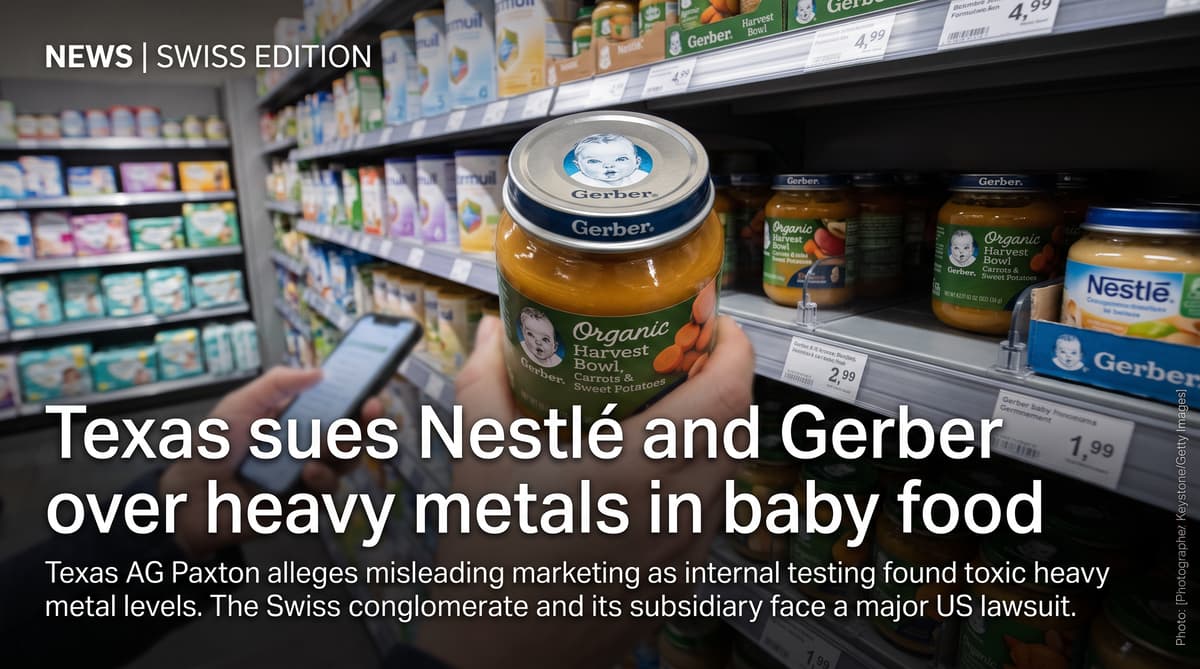
Texas has filed a consumer protection lawsuit against Nestlé and Gerber, putting the safety claims on jars and packets of baby food under scrutiny. Attorney General Ken Paxton alleges that Gerber Products, Nestlé’s US subsidiary, told parents its products were safe, rigorously tested and recommended by paediatricians while internal testing identified excessive levels of arsenic, cadmium and lead.
The complaint focuses on ingredients used between 2017 and 2019, but the allegations have wider implications for the way manufacturers monitor contaminants in food made for infants. Paxton said Gerber used 67 batches of rice flour containing more than nine times the federal bottled-water limit for arsenic. The company’s carrots reached up to 17 times the permitted cadmium level, while sweet potatoes contained nearly 10 times the permitted lead level.
Nestlé, headquartered in Vevey, had not provided a comment to AWP when the report was published. The case now places a global food company’s US marketing and testing practices before a Texas court, while parents face renewed questions about how contamination data reaches them.
Measure the contamination claims
The attorney general’s figures compare contamination with federal bottled-water limits, offering a measure of how far the cited ingredient samples exceeded regulatory benchmarks. Rice flour used by Gerber contained more than nine times the permitted arsenic concentration. Carrots reached up to 17 times the cadmium limit, and sweet potatoes approached 10 times the lead limit.
Those comparisons do not describe every Gerber product or every batch sold during the period. They refer to testing cited in the complaint and concern ingredients that can enter recipes at different stages of production. Paxton’s office also alleges that Gerber often tested individual ingredients rather than the finished baby food itself. The distinction matters because processing, blending and portion sizes can affect the concentration in the product ultimately consumed.
The complaint says Gerber rarely tested for mercury. Arsenic, lead and mercury are ranked by US federal health agencies among the substances with the greatest potential to harm human health, with arsenic first, lead second and mercury third. Paxton also cited medical toxicology findings that establish no completely harmless threshold for lead or inorganic arsenic in infants.
Trace the warnings and recalls
A 2021 laboratory finding added a separate warning sign, according to Paxton’s statement. The Alaska State Laboratory detected arsenic levels above the federal limit in two samples of Gerber rice cereal. The attorney general says Gerber issued no recall or warning over heavy metals and continued selling its products.
Gerber has recalled products in the past for plastic contamination and choking hazards, but Paxton said the company had never recalled baby food because of heavy metals. The lawsuit will have to establish how the test results were generated, how the relevant limits apply to the products and whether the company’s public statements breached Texas consumer law.
Gerber now makes test results available through a QR code on its labels. Paxton argues that this disclosure has not changed the heavy metal content of the food or the safety claims printed on the front of the packaging. That allegation places transparency and marketing side by side. A QR code can provide access to information, but the legal dispute will examine whether parents received clear and timely warnings about the products they bought.
Follow the wider Nestlé record
The lawsuit arrives after another Nestlé baby food crisis involving infant formula, according to the report. Earlier in 2026, the group recalled formula contaminated with cereulide, a toxin associated with the affected products. The first phase covered 31 countries and represented less than 0.5% of Nestlé’s turnover. Since then, the recall has expanded to around 60 countries.
Reports of ill babies have increased particularly in Belgium and the United Kingdom. Authorities in France are investigating three suspected infant deaths involving babies who had consumed the recalled milk. Those cases are separate from the Texas allegations, which concern heavy metals in Gerber baby food and alleged misrepresentations to consumers.
For Switzerland, the case carries particular relevance because Nestlé is based in Vevey, in the canton of Vaud, and sells nutrition products across international markets. Swiss consumers are not automatically affected by a US lawsuit or a US recall. They should rely on notices from the Swiss authorities and retailers for products sold domestically. The proceedings nevertheless offer a close look at how a Swiss-based multinational manages testing, labelling and risk communication across jurisdictions.
Watch the case from Switzerland
The Texas case will test whether product safety promises match the evidence behind them. Paxton has brought the action under the Texas Unfair Trade Practices Act, arguing that Gerber’s claims about rigorous testing and safety misled parents. Nestlé had not responded to AWP by the time of publication, so the allegations remain unproven in court.
The legal process may clarify several practical points: which tests the companies conducted, whether they examined finished products, how they assessed ingredients with naturally occurring heavy metals and when consumers were informed. It may also establish whether publishing test results through a QR code satisfies disclosure obligations when the packaging continues to carry broad safety assurances.
Swiss parents who buy imported or internationally distributed products should distinguish between a company-wide news report and an official product notice. Batch numbers, national recall databases and guidance from Swiss food safety authorities provide more reliable information than social media claims. The Texas complaint will proceed in the United States, but its findings could influence scrutiny of baby food testing and labelling well beyond the state.