crime
Parcel Theft Surge Hits French-Speaking Switzerland
French-speaking regions of Switzerland report alarming increase in parcel theft, with some cantons seeing up to 50% rise in incidents during holiday season.
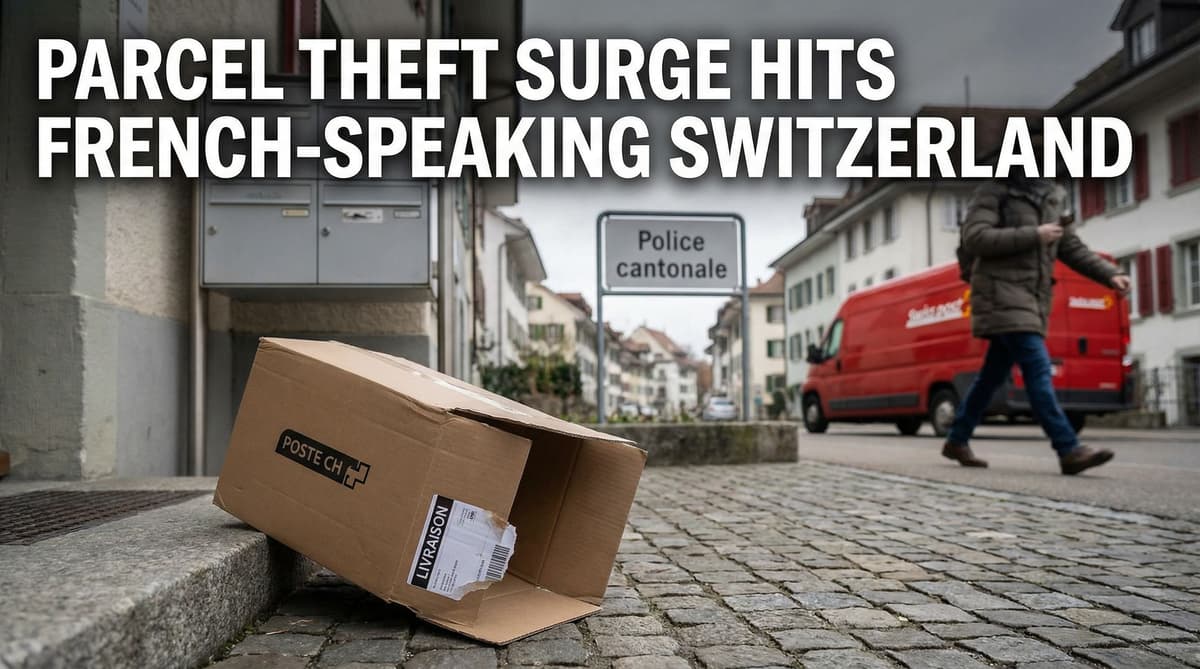
French-speaking Switzerland (Romandy) is grappling with an unprecedented surge in parcel theft, particularly during the holiday season. In 2023, authorities recorded 2,500 theft cases across the region, with some cantons experiencing alarming increases. The canton of Vaud has been particularly hard hit, with theft rates doubling compared to 2022. Neighboring cantons including Geneva, Fribourg, Neuchâtel, and Bern have reported increases between 30% and 50%, while Valais and Jura maintain relatively stable figures.
The scale of the problem is particularly concerning given Swiss Post's massive operation, handling up to one million parcels daily during December. With over 20,000 parcels reported missing annually before delivery, the issue has become a significant concern for postal services, retailers, and consumers alike.
Impact on Local Communities
The surge in parcel theft has created widespread concern among local residents. Personal accounts reveal the diverse nature of stolen items, from expensive electronics to essential medical supplies. Christelle, a resident of Prilly in Vaud, shared her experience of losing both a camera and medical supplies, highlighting how these thefts affect daily life.
Local postal workers have observed suspicious behavior, with some reporting being followed during their routes. Loïc Monneret, a parcel postman in Yverdon, describes taking evasive action when noticing suspicious individuals. Police investigations suggest there's no typical profile for thieves, ranging from opportunistic neighbors to organized criminal networks targeting specific items.
Security Measures and Prevention
In response to the rising theft rates, authorities and postal services are implementing enhanced security measures. Police recommend avoiding unattended deliveries and encourage residents to opt for personal delivery or secure pickup points. Swiss Post and delivery personnel have adopted more vigilant practices, including increased surveillance and reporting of suspicious activities.
Postal workers like Loïc Monneret now follow specific protocols when they suspect they're being followed, including alerting supervisors and local police. The emphasis has shifted towards preventive measures, with both authorities and delivery services working to educate the public about secure delivery options.
Legal Framework and Consumer Rights
The current legal framework in Switzerland places responsibility on the buyer once a parcel is delivered, even if left in an accessible location. This contrasts with European Union regulations, where consumers enjoy greater protection. The Fédération romande des consommateurs has taken action by filing a parliamentary petition in Bern to align Swiss law with European standards, proposing that risk should only transfer upon confirmed receipt.
This legal gap has created challenges for consumers seeking compensation for stolen items, often leaving them dependent on individual retailer policies or insurance claims with high deductibles. The proposed legislative changes aim to provide better consumer protection and clearer accountability in the delivery process.
Retailer Responses and Solutions
Swiss retailers have adopted varying approaches to address the parcel theft crisis. Some companies, like online retailer QoQa, have implemented customer-friendly policies, offering refunds or replacements for stolen items. However, responses vary significantly among retailers, with some maintaining strict policies that limit their responsibility after dispatch.
The situation has prompted discussions about improving delivery systems and customer service policies. Some retailers are investing in alternative delivery methods, such as secure pickup points and time-specific delivery options. With over 200 million parcels transported annually, the focus is increasingly on finding sustainable solutions that protect both retailers and consumers.