technology
Switzerland to Vote on State-Managed Digital ID
Swiss citizens to decide fate of new electronic identity law on September 28, promising free, state-managed digital identification system.
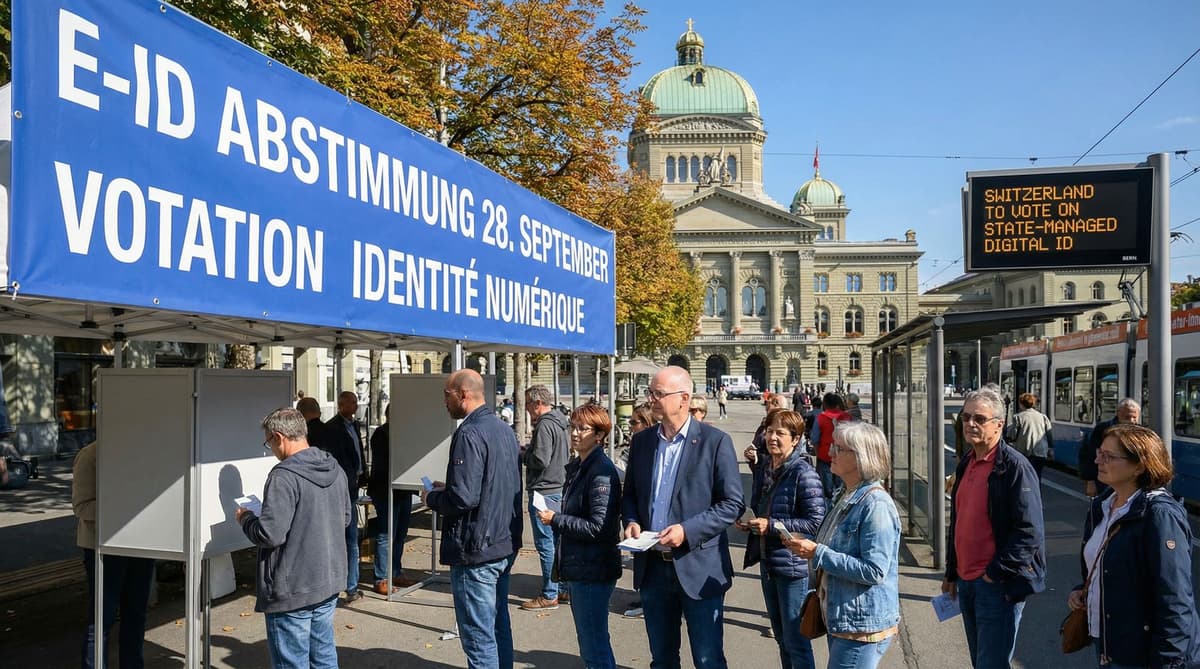
On September 28, Switzerland faces a critical juncture in its technological history. Voters will decide the fate of a new, state-managed electronic identity (e-ID) law, a pivotal move that seeks to erase the failure of the 2021 referendum. Unlike its rejected predecessor, which relied on private companies, this new proposal places the reins firmly in the hands of the state, promising a system that is optional, free, and publicly controlled.
The stakes are incredibly high. The government is not merely suggesting an upgrade; it is proposing a fundamental shift in how Swiss citizens interact with the digital world. By moving to a state-run model, authorities are directly addressing the public's previous refusal to entrust sensitive identity data to private corporations. This vote represents a second chance for a unified digital infrastructure, but the debate is far from settled. As the date approaches, the electorate must weigh the convenience of a government-backed digital wallet against lingering fears of surveillance and data misuse.
Privacy Clash: Minimization vs. Exposure
The battle lines are drawn over the very definition of privacy. Green Party parliamentarian Gerhard Andrey argues that the e-ID offers a dramatic improvement in data control, surpassing the capabilities of physical documents. "Today, if you want to prove that you are over 18 to do an online transaction, you have to scan your identity card and reveal all the data it contains," Andrey asserts. He champions the concept of selective disclosure: with the e-ID, users could prove their age without exposing their address or full name—a significant leap forward for personal data sovereignty.
However, opponents remain deeply skeptical. Jonas Sulzer, a cybersecurity expert from EPFL, warns that the technology is a Trojan horse for commercial exploitation. "This e-ID law lays the foundation for the commercial use of the data in our passports," Sulzer declares. The tension is palpable: while proponents see a shield against data oversharing, critics see a new vector for corporate intrusion. The electorate is left to decide whether this digital tool is a fortress for their identity or a gateway for data mining.
The 'Article 23' Loophole Controversy
At the heart of the opposition's anxiety lies a specific legal clause: Article 23. This provision permits the transmission of personal data if "absolutely necessary" to prevent fraud or identity theft. While intended as a security measure, critics view it as a dangerous loophole. Sulzer argues that this vague wording could be weaponized, warning, "That could happen for every transaction and allow companies to request more data than is necessary."
The fear is that "necessity" will be defined by corporations rather than citizens, leading to routine data grabs under the guise of security. Andrey dismisses these concerns, insisting the law is watertight and superior to existing data protection regulations. "We identified all the loopholes in the first draft and improved the law to address them," he counters. Yet, for privacy absolutists, the mere existence of Article 23 suggests that the state is building a backdoor before the front door is even open.
Analog Flaws vs. Digital Scalability
The debate is further fueled by the stark reality that traditional systems are failing. The recent scandal involving thousands of suspected forged signatures for popular initiatives in October 2024 exposed the fragility of the analog world. Proponents like Andrey seize on this, suggesting that a secure e-ID could facilitate safer, verifiable online signature collection, modernizing Swiss direct democracy.
Yet, the digital realm brings its own terrifying scale of risk. "There are certainly vulnerabilities in all systems," Sulzer admits, but he highlights a critical distinction: in the digital space, a single flaw can be exploited to cause catastrophic damage at a speed and scale impossible in the physical world. While the physical signature scandal was significant, a compromised national e-ID system could be systemic. As Switzerland prepares to vote, it confronts a choice between the known flaws of pen and paper and the high-speed, high-risk potential of a fully digital society.