Switzerland
Switzerland moves to clarify rules for foreign heirs of Swiss property
Switzerland is clarifying rules governing international inheritances involving property, a matter affecting foreign owners and heirs of Swiss homes and apartments. The article should explain who may inherit and occupy Swiss real estate, how the post-2025 succession rules work and what changes the government is considering.
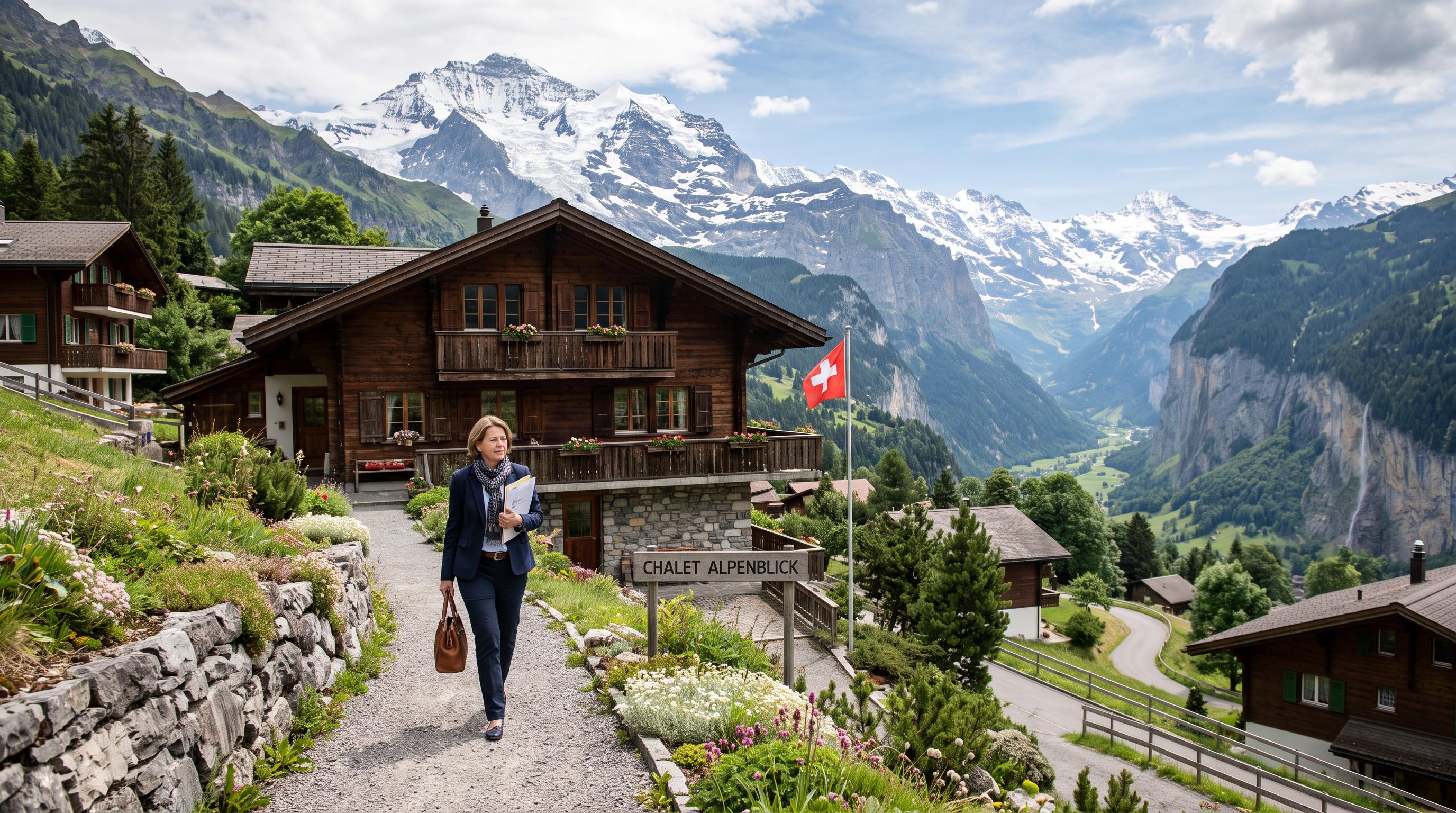
Switzerland targets a land registry problem
A reform consultation closing on 27 November 2026 could make the paperwork clearer for foreign heirs of Swiss homes and apartments. The Federal Council is preparing changes to how real estate inherited across borders is entered in the Swiss land registry, known as the Grundbuch in German, the registre foncier in French and the registro fondiario in Italian.
The issue arises when a Swiss property passes to an heir who lives abroad. The inheritance may be legally valid, yet the registration of the new owner can involve inconsistent or unclear procedures. The government says the current rules are “sometimes unclear or not sufficiently harmonised”. Its proposal would standardise the transfer of property in international successions.
The move matters to foreign nationals who own Swiss holiday homes, to expatriate families with assets in Switzerland and to Swiss residents whose heirs live overseas. It also affects notaries, land registry offices, tax advisers and property lawyers handling estates that cross national borders.
The proposal concerns the registration and transfer of real estate. It does not reopen the basic question of whether a non-resident heir may inherit a Swiss property. Those inheritance rules will remain unchanged under the plan.
What changed on 1 January 2025
The law that took effect on 1 January 2025 changed the options available in international estates. Switzerland brought its rules closer to European standards and expanded the circumstances in which the law of another country can apply.
Swiss dual citizens can now choose whether their succession should follow Swiss law or the law of their other home country. Foreign nationals who live in Switzerland may also elect to apply the inheritance law of their country of origin. That choice can affect how an estate is divided and how authorities assess the succession, although the property itself remains located in Switzerland and must still pass through Swiss administrative channels.
The reform reflects the way families now live across borders. A Swiss citizen may have a second nationality and relatives abroad. A French, Italian, German or non-European national may reside in Switzerland while retaining legal and family ties elsewhere. When a Swiss apartment or house forms part of the estate, several legal systems can enter the file.
The government’s planned amendment does not change those inheritance choices. It addresses what happens after the heir acquires the property, specifically how the transfer should appear in the land registry. The distinction is important: succession law determines entitlement, while registration records ownership of Swiss real estate.
An inherited home is not a residence permit
Ownership and residence are separate questions under Swiss law. A foreign national living abroad may inherit a Swiss house or apartment, but the inheritance itself does not automatically create a right to move into the property or take up residence in Switzerland.
Anyone planning to live in the inherited home must meet the immigration rules that apply to their nationality and personal circumstances. Depending on the case, that can involve an EU or EFTA residence route, a permit for a third-country national, family reunification or another recognised basis for residence. The relevant cantonal migration authority decides whether the conditions are met.
The property’s location does not replace those requirements. An heir may be able to retain ownership while living outside Switzerland, rent the property where permitted, or sell it. A person who wants to occupy it as a main residence needs the appropriate authorisation before moving in. The inheritance also does not by itself settle questions about health insurance, taxation, schooling or employment.
The source article does not set out a single residence rule for every foreign heir. Nationality, existing status in Switzerland, family links and the intended use of the property can all affect the outcome. Professional advice is essential before an heir plans a move.
Tax follows the property
Selling an inherited Swiss property can trigger tax in more than one country. The canton where the house, apartment or land is located determines the applicable Swiss sales tax rules. Rates, exemptions and administrative procedures vary from canton to canton, so the same transaction can produce different results depending on whether the property sits in Geneva, Zurich, Ticino, Vaud or another canton.
The heir’s country of residence may also seek to tax the sale or the related gain. Whether that happens depends partly on the tax treaty between Switzerland and the country concerned. An heir living abroad therefore needs to check both the Swiss rules governing the property and the tax obligations in the country where they are resident.
The tax question is separate from the proposed land registry reform, but the two issues meet in practice. Authorities must identify the new owner, record the transfer correctly and establish which filings and payments follow. Delays or uncertainty in the register can complicate a later sale, mortgage arrangement or estate settlement.
The Local advises foreign residents who inherit Swiss property to use a real estate attorney. A cross-border adviser can coordinate the land registry, notarial work and tax review before the heir decides whether to occupy, rent or sell the property.
Heirs face a clearer administrative path
The consultation deadline is 27 November 2026, and the proposed changes focus on certainty rather than a new inheritance test. The government wants the transfer of Swiss real estate in international estates to be recorded through clearer, more uniform procedures. The consultation will allow cantons, legal professionals and other affected parties to comment before the Federal Council decides how to proceed.
For heirs, the practical lesson is to treat the estate as a sequence of separate tasks. First, establish which inheritance law applies and whether a valid choice of law exists. Next, confirm the heir’s ownership position under Swiss rules and arrange the land registry transfer in the canton where the property sits. Then assess tax exposure in Switzerland and abroad. Only after that should the heir make plans to occupy, rent or sell the property.
Swiss people with relatives overseas can also reduce uncertainty by keeping wills, ownership records and family documentation up to date. Foreign owners of Swiss real estate should review their succession arrangements with advice that covers both Swiss law and the law of the relevant home country.
The planned amendment will not decide who can live in Switzerland. It is designed to make ownership transfers easier for authorities and heirs to identify and process.