Housing
Zurich rental market shows tentative signs of relief
Zurich’s rental market is showing tentative signs of relief as construction increases and immigration slows. Rents are still rising, however, and housing remains difficult to find in Switzerland’s largest city.
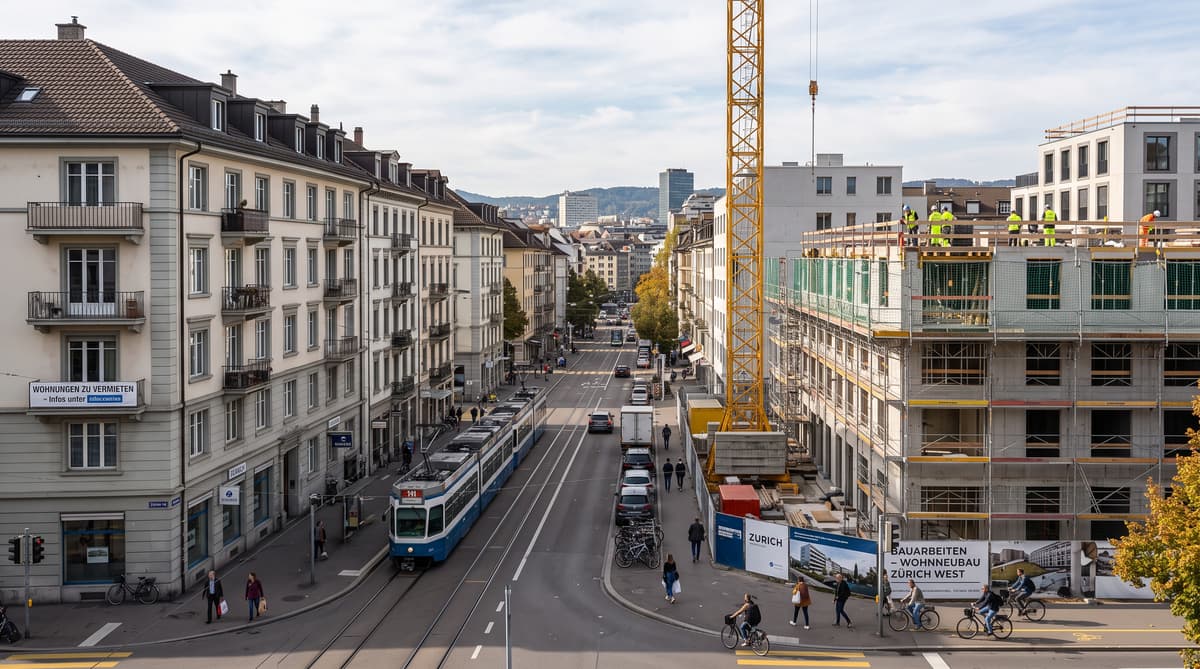
Zurich’s vacancy rate has edged up, offering a small opening in a market where finding a flat has often meant crowded viewings and rejection. The canton’s rate rose from 0.48% to 0.52% in 2026, according to figures cited by Zurich Cantonal Bank (ZKB). Across Switzerland, the rate moved in the opposite direction, slipping from 1.01% to 0.93%.
The improvement is modest, and it is not evenly spread. Vacancies increased most clearly in Zurich’s surrounding urban areas. In the city itself, they also edged higher, but remained low. For renters competing for a home in Switzerland’s largest city, that distinction matters: a slight rise in empty homes does not mean that suitable flats are readily available.
ZKB sees a possible turning point as construction gathers pace and net immigration falls below recent peaks. Those two shifts could gradually reduce competition for homes. For now, the evidence points to a market easing at the margins, not a sudden change in renters’ prospects.
Build More Homes Across the Canton
ZKB expects 8,500 new flats in Zurich canton in 2026, up from 8,200 last year. The bank forecasts a further increase to 9,000 in 2027, a pipeline that could give renters more options if new homes reach the market as expected.
The added supply comes as net immigration has fallen below the peaks of recent years. ZKB expects the combination of more construction and slower population inflows to ease pressure gradually. The vacancy figures suggest the change is already appearing more strongly in the canton’s surrounding urban areas than in Zurich city itself.
The building forecast matters beyond the city boundary. Households priced out of, or unable to find, housing in Zurich have moved towards cheaper neighbouring cantons, including Aargau, Thurgau and Schaffhausen. That migration has added pressure to rental markets there. If more people secure homes in Zurich, fewer may need to look further afield, potentially moderating demand in those cantons too.
The forecasts describe a gradual adjustment, not a rapid expansion of choice. For tenants, the eventual effect will depend on new flats becoming available where demand is strongest.
Track the Costs Renters Still Face
Rent growth has slowed sharply, but rents are still expected to rise. In Zurich city, annual growth in advertised rents has eased from more than 10% a few years ago to 1.5%. For the canton as a whole, ZKB forecasts increases of 1.5% in both 2026 and 2027.
That slower pace may make the market less punishing for people searching for a home, but it does not mean advertised rents are falling. Renters also face the prospect of higher ancillary costs, as ZKB expects energy prices to push those charges up.
Existing tenants could be affected by a separate mechanism. The mortgage reference rate, which governs adjustments to many current rents, is expected by ZKB to rise from 1.25% to 1.5% in the second half of 2027. The bank links that forecast to a growing share of mortgages tied to Saron, a short-term interest-rate benchmark. It expects the reference rate to respond more quickly to monetary tightening it forecasts for next year.
The outlook therefore differs by household: advertised rent increases have cooled, while energy costs and possible reference-rate adjustments could still add to housing bills.
Watch for Relief Beyond the City
The clearest near-term gain may be a little more choice, not lower prices. Zurich’s vacancy rate has risen only slightly, and ZKB’s forecasts still point to rent increases across the canton. For people searching for a flat, additional construction and slower immigration offer grounds for cautious optimism, while the persistently low vacancy level in the city keeps the pressure visible.
The effects could reach beyond Zurich. Aargau, Thurgau and Schaffhausen have absorbed some of the demand from households looking for cheaper housing outside the city. If supply improves in Zurich, that outward movement may weaken over time, easing some of the strain on neighbouring rental markets.
The forecasts also leave renters watching several indicators at once: whether the projected 8,500 new flats in 2026 and 9,000 in 2027 are delivered, how vacancies develop in the city, and whether expected energy and reference-rate changes add to housing costs. These trends will shape whether the early improvement becomes a more noticeable easing for households.
For now, Zurich’s market is showing tentative signs of relief. The numbers offer a brighter outlook for finding a home, but little comfort to anyone hoping to pay less.