EU
Swiss committee proposes levy on EU workers if migration surges
A Council of States committee wants a possible levy on EU workers if migration rises sharply after the Bilateral Agreements III take effect. The proposal adds a new point of tension to Switzerland’s debate over labour mobility and immigration.
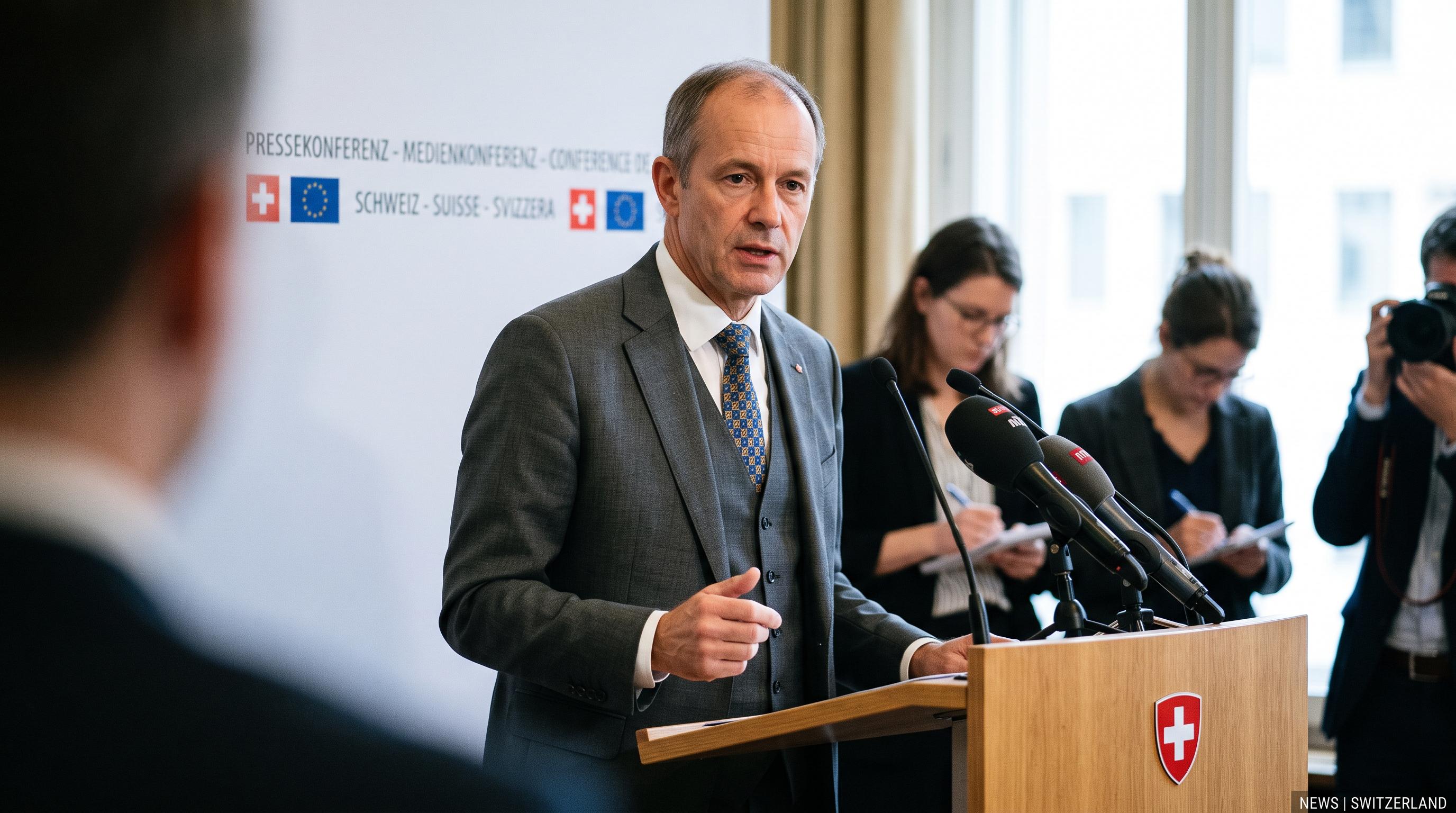
Switzerland Puts a Price on a Migration Surge
A proposed CHF 4,000 annual charge is pushing Switzerland’s migration debate into new territory. A committee of the Council of States wants the country to impose a levy on workers from the European Union if migration surges after Bilateral Agreements III take effect. The measure would not start automatically. It would become available only after the Federal Council successfully invoked a safeguard clause designed to respond to a sharp rise in immigration.
The proposal adds a powerful new flashpoint to Switzerland’s relationship with Brussels. Labour mobility sits at the heart of the bilateral framework, while immigration remains one of the most politically sensitive issues in Swiss domestic politics. Supporters of the levy present it as a targeted alternative to blunt restrictions such as quotas. Critics, however, immediately face a fundamental question: can Switzerland attach a financial penalty to rights granted under the Agreement on the Free Movement of Persons?
The Council of States is due to examine the proposal alongside the wider package of agreements with the EU during its autumn session. That debate now carries consequences far beyond parliamentary procedure. It will test how far Switzerland can push its domestic response to migration without colliding with its European commitments.
The CHF 4,000 Question Hits Employers
The proposed levy would reach at least CHF 4,000 per worker every year. Andrea Caroni, a member of the Council of States, says the charge should apply to people who have recently immigrated to Switzerland once the safeguard clause is active. The figure gives the proposal immediate political weight: this is not a symbolic registration fee but a substantial recurring cost attached to recruitment from abroad.
Employers would pay the levy for their EU employees. The commission argues that this would encourage Swiss companies to look first to the domestic workforce when filling vacancies. That approach puts businesses at the centre of the policy. A company could still recruit internationally, but it would face a direct financial consequence if exceptional migration controls were triggered.
Family reunification would follow a different model. A lower charge would apply, and adults arriving under family reunification rules would be responsible for paying it themselves. The distinction is designed to separate labour-market recruitment from family migration, but it could also create a complicated system of eligibility, liability and enforcement. The proposal’s price tag is clear; the practical mechanics remain contested.
A Levy Designed to Redirect the Migration Debate
The committee says the levy would do three jobs at once: steer hiring, recover migration-related costs and reward residents. Its supporters argue that companies would have a stronger incentive to recruit from Switzerland’s domestic workforce rather than automatically turning to foreign labour. New arrivals, meanwhile, would contribute towards the costs associated with immigration. The proceeds would then flow back to the resident population.
That final element gives the proposal a distinctly Swiss political pitch. Instead of sending levy revenue into a distant state programme, the money would be redistributed to people already living in the country. The commission is presenting the mechanism as a direct dividend for the population—an attempt to make the financial effects of migration visible to voters.
However, the model would expand if the safeguard clause were activated. The levy would then also apply to immigrants from countries outside the EU, not just EU workers. That broader reach could simplify the principle of the system, but it would also widen its diplomatic and legal consequences. What begins as a contingency instrument for a sharp migration surge could become a general feature of Switzerland’s immigration policy. The commission’s proposal therefore links labour-market incentives to a much larger debate over who pays—and who benefits—from migration.
Bern’s Legal Warning Sets Up a Direct Collision
The Federal Council has already warned that the plan may crash into Switzerland’s legal commitments. In a report published in early May, the government examined three possible models for an immigration levy and concluded that charging nationals from EU and EFTA countries would not be compatible with the Agreement on the Free Movement of Persons. That objection strikes at the proposal’s core: the very workers targeted by the levy may be protected by the bilateral framework Switzerland has negotiated with the EU.
Family reunification raises a second legal obstacle. The Federal Council said a charge imposed on family members could conflict with the European Convention on Human Rights. In other words, the proposal faces two separate tests—one involving Switzerland’s agreement with the EU, the other involving wider human-rights protections.
The committee nevertheless believes its model offers a more sophisticated response than quotas. The Federal Council has proposed several possible safeguards, including quotas, but has not adopted the levy concept put forward by its supporters. The clash is now sharply defined: political control over migration on one side, treaty obligations and individual rights on the other. The autumn parliamentary debate will determine whether the proposal advances despite those warnings.
Autumn Session Will Decide the Next Move
The next decisive moment arrives in the Council of States this autumn. Parliament will consider the proposed levy as part of a broader package of agreements with the EU, ensuring that the migration argument cannot be separated from Switzerland’s wider European strategy. The timing matters. Any new safeguard linked to Bilateral Agreements III must work politically at home while remaining credible—and legally defensible—abroad.
The idea itself is not new. Avenir Suisse, a Swiss think tank, floated a similar measure several years ago. What has changed is the political setting: the proposal is now attached to a potential safeguard clause and a concrete minimum charge of CHF 4,000. That combination turns an old policy concept into a live parliamentary confrontation.
For Swiss companies, the outcome could influence the cost of international recruitment. For EU workers, it could reshape the practical meaning of labour mobility. For residents, the promise of redistributed revenue offers a clear financial stake. Yet the government’s legal objections mean the committee’s plan is far from implementation. Switzerland is now confronting a critical choice: pursue a sharper domestic response to migration, or protect the existing framework with the EU from a levy that could undermine it. The autumn session will bring that choice into focus.