SWISS
SWISS pilots escalate pressure in dispute over pay and working conditions
More than 1,000 SWISS pilots have signed an open letter demanding greater predictability over time off, lower workloads and market-based pay. Report on the stalled collective-agreement negotiations, the pilots’ leverage and the potential effects on staffing, schedules and passengers.
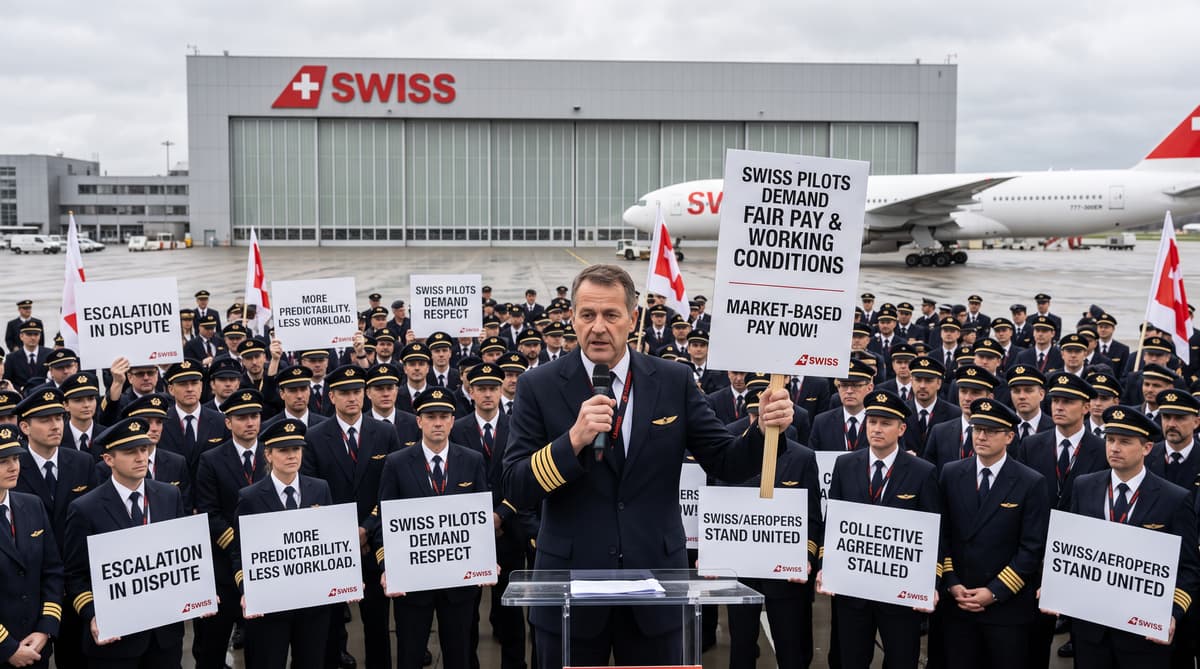
More than 1,000 pilots have put their names to a public warning for SWISS management. Members of the Aeropers cockpit crew union signed an open letter demanding action on pay, workload and the ability to plan their time off. The move raises the pressure on an airline already dealing with tight cockpit staffing and an unresolved collective agreement.
Aeropers said negotiations on a new agreement began in April and have continued for roughly half a year. The talks cover the employment framework for SWISS pilots, including working models and compensation. The union says the current combination of heavy workloads and limited predictability is taking a toll on its members.
The dispute matters beyond the cockpit. Pilot availability determines how many aircraft SWISS can operate, how reliably it can publish schedules and how much flying it may need to place with wet-lease partners. Aeropers has already linked staffing shortages to outsourced flights and cancellations. For passengers travelling through Zurich or Geneva, a protracted dispute could complicate planning if staffing constraints affect future timetables.
The open letter gives the union a visible show of support while talks remain stalled. It also places the airline’s management under pressure to demonstrate progress before dissatisfaction hardens into operational disruption.
Push for Predictable Rosters
Aeropers has set out three demands: predictable time off, a lower workload and pay aligned with the market. The union says these issues have become urgent as pilots face demanding schedules and less certainty about when they can rest or make personal plans.
Predictability has a practical dimension in aviation. Crew rosters must comply with safety rules, but frequent changes can still affect family life, recovery time and retention. Aeropers argues that the strain is contributing to dissatisfaction at a time when SWISS needs to attract and keep qualified cockpit crew.
The union also wants remuneration that reflects market conditions. The source material does not specify a salary figure or identify a particular comparator airline. Its position is that compensation must form part of a broader settlement that recognises workload and the competitive market for pilots.
Aeropers spokesperson Thomas Steffen said the signatures showed solidarity among employees and sent an urgent signal to management. The scale of the letter gives the union leverage in negotiations, although it does not itself trigger a strike or alter the existing agreement. Any escalation would depend on further talks and the formal steps available under Swiss labour relations procedures.
Management Acknowledges the Stakes
SWISS CEO Jens Fehlinger has acknowledged the pilots’ concerns while insisting that the settlement must protect the airline’s long-term competitiveness. In an internal letter seen by AWP, Fehlinger wrote that SWISS understood the pilots’ issues and that many of them were shared by the company.
That recognition has not closed the gap. Fehlinger said SWISS had been working with Aeropers on new working models and negotiating intensively on the disputed points. He repeated the airline’s aim of reaching a jointly negotiated agreement that would deliver tangible improvements for pilots and remain viable for SWISS.
The airline is also weighing economic pressures and cost trends. Fehlinger’s position places the negotiations between two demands: improve conditions enough to retain cockpit crew, while keeping costs compatible with SWISS’s position in a competitive aviation market. The source does not disclose the company’s financial offer or the union’s proposed pay increases.
His warning that “we are running out of time” signals concern inside the airline about the pace of the talks. It does not announce a deadline, a strike or a schedule change. It does show that management sees the dispute as a business risk, not simply an internal disagreement over contract language.