neutrality
Russia seeks to influence Switzerland’s neutrality vote
Reports that Russia is attempting to influence Switzerland’s September 27 neutrality vote raise questions about foreign interference in direct democracy.
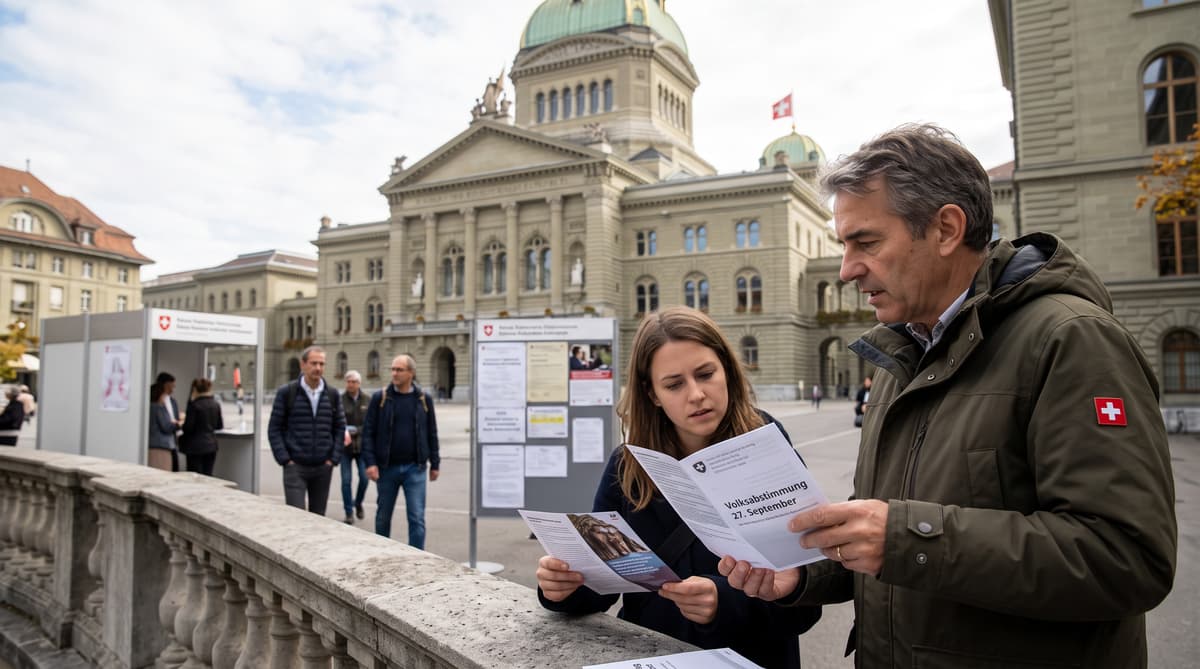
Russia-linked messaging has entered Switzerland’s neutrality campaign weeks before voters go to the polls. Swiss voters will decide on September 27, 2026 whether to impose a stricter definition of neutrality in the Constitution. Reports reviewed by SRF and cited by Le News identify a campaign of sympathetic coverage, social media promotion and public comments from Russian officials.
The documented material includes articles published by RT DE, a Kremlin-funded outlet. The reports criticise the Federal Council, which opposes the initiative, and present the proposal favourably. Several articles carry the name Hans-Ueli Läppli, although no journalist by that name has been identified. The name is also associated with a fictional, naïve Swiss soldier created by comedian Alfred Rasser.
Those details establish an influence effort around the debate. They do not establish that Russian activity will determine the result, or that every supporter of the initiative is acting on Moscow’s behalf. Ulrich Schmid, a professor of Eastern European studies at the University of St Gallen, expects the campaign to have little immediate effect. He still describes it as part of a longer Kremlin strategy aimed at shaping perceptions and weakening confidence in Western institutions.
The Constitution Faces a Sanctions Test
The initiative would move neutrality from a broad political principle toward a more restrictive constitutional rule. Its central proposal is a ban on sanctions against states involved in armed conflicts. Switzerland’s obligations under the United Nations would remain exempt, according to the reported text.
That change matters because Bern adopted sanctions against Russia in response to the invasion of Ukraine. The Federal Council opposes the initiative, while its supporters argue that a stricter constitutional definition would protect Switzerland’s independence and prevent the country from being drawn into foreign conflicts.
Swiss neutrality already has firm legal boundaries. It is permanent, applying in peace and war, and armed, requiring Switzerland to defend its territory and neutral status. International neutrality law prohibits the country from taking part in a war, supplying military support to a belligerent or joining a military alliance that could pull it into a conflict.
The initiative would therefore affect the room available to the government when responding to future wars. It would also place a contentious interpretation of neutrality directly in the Constitution, making later policy changes more difficult. The September vote concerns those domestic powers as much as Switzerland’s international image.
Separate Evidence From Political Claims
The clearest evidence so far comes from media activity and amplification, not from proof of a covert operation inside Switzerland. RT DE has focused on Swiss sanctions against Russia and the Federal Council’s opposition to the initiative. One article attributed to the unidentified Läppli urged greater use of X, TikTok and Instagram, pointing toward a strategy built for repeated online circulation.
Russian representatives have also promoted the initiative directly, including a spokeswoman for the Russian foreign ministry. Russian actors distribute much of their material through social media, where messages can travel without the editorial checks applied by Swiss broadcasters and newspapers.
SEPOS, the State Secretariat for Security Policy, told SRF that foreign disinformation and state-sponsored influence efforts targeting Switzerland are increasing. Its draft security policy strategy warns that such operations can polarise society, affect elections and referendums, and undermine trust in democratic institutions. The document specifically identifies Russia’s long-running use of disinformation to destabilise Western countries.
The available reporting does not quantify the reach of the Russian material or show how many Swiss voters encountered it. That distinction is important. Influence activity is documented. Its electoral impact remains an assessment, not an established fact.