Business
Lindt & Sprüngli dismisses CEO after two profit warnings
Swiss chocolate maker Lindt & Sprüngli has dismissed CEO Adalbert Lechner after two profit warnings within a year. Former CEO Dieter Weisskopf will lead the company on an interim basis while a permanent successor is sought.
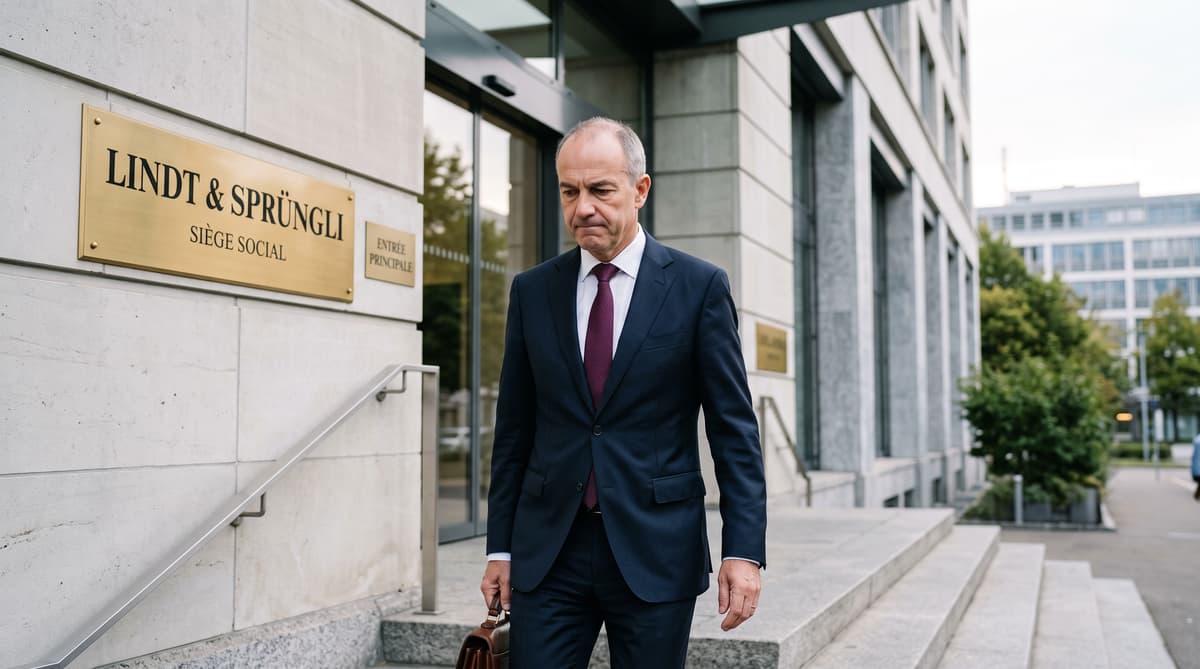
Lindt & Sprüngli has removed its chief executive after two profit warnings in less than a year, placing a veteran former leader back in charge as the Swiss chocolate maker tries to regain momentum. Adalbert Lechner, 65, left the company on October 19 after 33 years at the group and less than five years as CEO.
The board said Lindt needs new operational leadership to restore consistent, strong growth and capture opportunities in international markets. The decision follows a difficult year in which sharply higher cocoa costs pushed retail prices up and customers reduced their purchases. A European heatwave added pressure during the summer.
Dieter Weisskopf, 71, assumed the interim role with immediate effect. He served as Lindt’s chief financial officer for many years, led the group until 2022 and remains a member of the board. The company plans to name a permanent successor in the second quarter of 2027.
The abrupt change gives Weisskopf a narrow and demanding brief: stabilise sales, rebuild profitability and convince investors that the maker of Lindor truffles and chocolate bunnies can still deliver reliable growth.
Cut Prices as Shoppers Pull Back
The company’s 2026 organic growth forecast has fallen from 6% to 8% to just 0% to 2%. Lindt issued its second revenue warning of the year at the end of September, triggering a sharp decline in its share price and deepening concerns over the group’s ability to pass rising costs on to shoppers.
The immediate pressure came from cocoa. After two years of steep increases in the cost of beans, Lindt raised retail prices by an average of 11.8% in the first half of 2026. Sales volumes then dropped significantly. Consumers in Germany, Switzerland and Britain reacted more strongly to the increases than executives had expected.
Lindt began reversing part of that pricing strategy during the summer. It offered selected products at lower prices and focused on smaller packs, moves designed to keep premium chocolate within reach while protecting margins. The adjustments show how quickly the cocoa shock has reached supermarket shelves and household budgets.
The company has given no details about the circumstances of Lechner’s departure. His removal places responsibility for the response directly on the board and on Weisskopf, who must manage the balance between price, volume and brand value.
Rebuild Europe While Expanding Abroad
Europe has become the weak point in Lindt’s global business, while North America and Asia are performing significantly better. That regional divide will shape Weisskopf’s interim mandate and the search for a permanent successor.
The company’s European operations face several overlapping constraints. Cocoa inflation has pushed up costs, consumers have shown greater resistance to price increases, and unusually hot summer weather weighed on chocolate sales. Germany, Switzerland and Britain were specifically identified as markets where shoppers responded more sensitively to higher prices.
Lindt’s international portfolio gives the group some protection. Stronger performance in North America and Asia provides room for continued brand investment and could help offset weaker European volumes. The board has signalled that the company wants to increase investment in its brands while improving profitability.
That strategy will require careful execution. Premium chocolate depends on visible quality and a distinctive retail presence, yet price gaps can quickly change how consumers shop. Smaller packs and selective discounts may protect access to the brand, though they can also complicate the task of maintaining margins. Lindt’s next leader will inherit a company with global reach and a clear regional imbalance.