Zurich
Water levels in Zurich remain well below normal
Water levels in Lake Zurich remain well below their seasonal norm despite recent rain, and authorities say prolonged rainfall will be needed for a recovery. The lake’s outflow is also being restricted during trout spawning season.
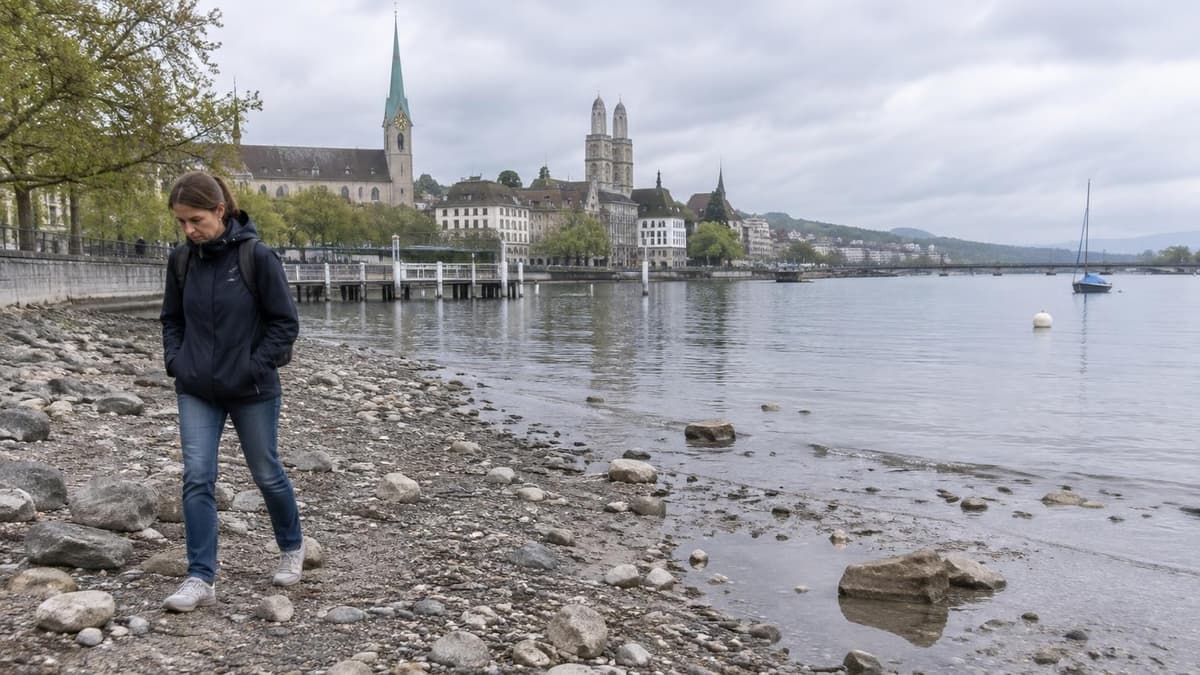
Lake Zurich has risen by just 9 centimetres in a week, leaving it 53 centimetres below its 35-year median. The lake stood at 405.4 metres above sea level on November 11, according to the canton’s latest water-level map. Recent rain has nudged the reading upward, but the overall picture has changed little since the scorching summer of 2026. Water levels across Zurich’s waterways remain below normal, the cantonal Department of Public Works said on Wednesday. The figures put the modest weekly increase in perspective: the gap from the long-term median is nearly six times as large. For people living around the lake and along the waterways, the immediate measure of recovery is not a brief spell of rain, but whether water levels can regain ground over time. The canton says that will require a sustained period of rainfall.
Why a Few Rainy Days Are Not Enough
A few rainy days have not been enough to restore Zurich’s water levels. The Department of Public Works says recovery depends on prolonged rainfall over an extended period. That distinction matters in the latest reading: Lake Zurich gained 9 centimetres in one week, yet remained 53 centimetres below the median for the past 35 years. The current level of 405.4 metres above sea level is therefore a small improvement, not a return to normal. The canton’s assessment covers Zurich’s waterways as well as the lake, and officials say levels remain below normal. The long-term median offers a reference point for judging the current position; the weekly rise shows how little short-term rain has shifted it. For now, the department’s stated condition for a broader recovery is sustained rainfall, rather than isolated wet days.
Hold the Flow for Spawning Trout
Lake Zurich’s outflow remains capped at 20 cubic metres per second during trout spawning season. The restriction has been in place since the beginning of October. More water flowing into the Limmat would improve conditions for trout, according to the Department of Public Works. But reducing the outflow further to stop the lake level from falling could leave spawning grounds dry and put the eggs at risk of dying. The current restriction therefore sits within a seasonal balancing act: the lake’s low level remains a concern, while fish need water in the river during spawning. The department’s explanation links the outflow decision directly to conditions downstream. Any further reduction intended to preserve lake levels could have consequences for the spawning grounds. The flow is currently being held at 20 cubic metres per second as the spawning season continues.
Watch the Rain and the River Flow
Zurich’s water-level outlook depends on rain continuing over an extended period. The canton says only prolonged rainfall can bring levels back to normal. The latest reading shows the scale of the recovery still needed: Lake Zurich is 53 centimetres below its 35-year median, despite rising 9 centimetres in the past week. At the same time, the lake’s outflow remains restricted at 20 cubic metres per second during trout spawning season. The Department of Public Works has warned that cutting the flow further to prevent the lake level from dropping could dry spawning grounds and endanger trout eggs. Those figures and conditions frame the weeks ahead for the lake and the Limmat: sustained rainfall is needed for water levels to recover, while the current outflow restriction continues to account for the needs of spawning fish.