Zurich
Zurich Reformed Church apologises over mishandled abuse reports
An external investigation found that at least ten women were subjected to sexual, physical or psychological abuse by a vicar in Zurich. The canton’s Reformed Church has apologised for failing to properly investigate earlier reports.
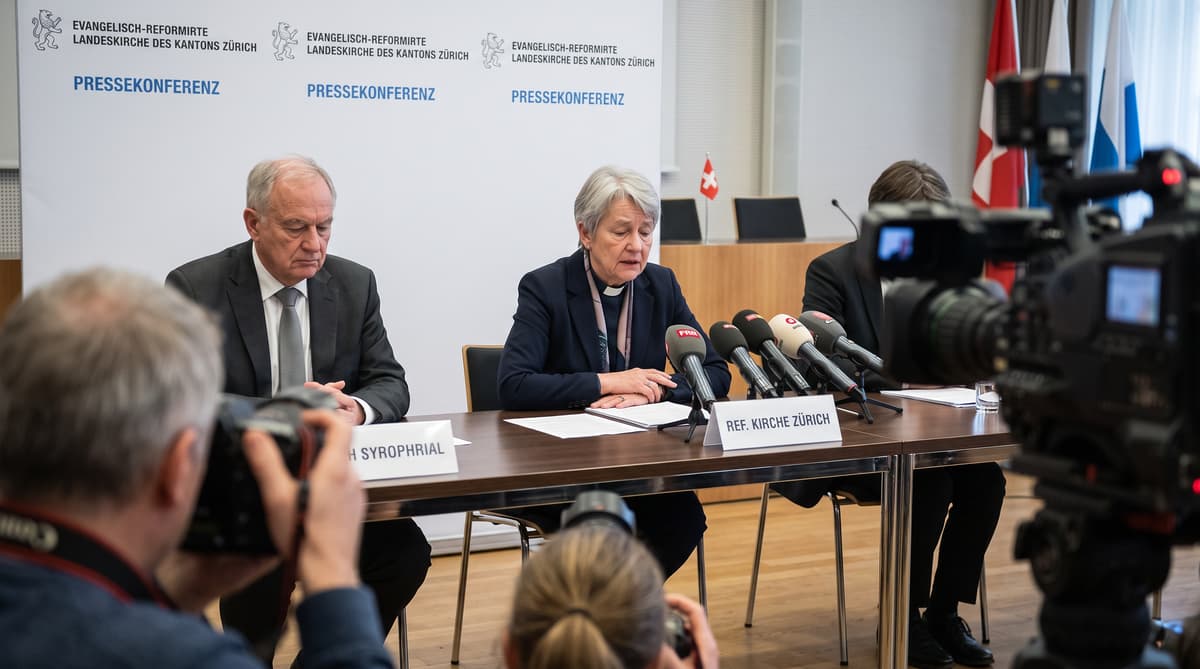
At least ten women were subjected to sexual, physical or psychological abuse by a vicar in Zurich, an external investigation has found. The canton’s Reformed Church has apologised, acknowledging that its leadership did not adequately meet its responsibilities to the women affected.
The incidents occurred between 1992 and 2006. The Church Council commissioned the expert investigation after further reports about the same vicar emerged in 2025. Its findings revisit an earlier church inquiry, which ended after the vicar resigned before a formal administrative investigation was opened.
The council says the women were heard and offered support during the earlier process. But the proceedings ended without an official conclusion recording the findings or formally acknowledging the assaults and abuse of power. That omission sits at the centre of the church’s apology: the handling of the allegations left the women without a documented institutional account of what had been established.
The council has offered the women a sincere apology. It has also said the case will inform changes to how reports are recorded and evaluated. The investigation’s conclusions bring renewed scrutiny to decisions made years ago, and to the church’s responsibility to those who reported abuse.
Trace the inquiry’s path
The allegations span 14 years, from 1992 to 2006, and involved sexual, physical and psychological abuse, according to the external investigation. The Church Council’s statement identifies at least ten women as victims of the vicar. It does not describe the incidents individually, but its findings establish the breadth of the abuse across several forms of harm.
Reports about the vicar had previously led to an internal investigation. The council said he resigned before the formal opening of an administrative inquiry, and the proceedings were then closed. The expert report concluded that closing the case in 2007 was legally correct because the church could not bring proceedings against a person who was no longer employed by it.
That legal assessment addresses whether the church could continue proceedings against a former employee. The report also examined how leaders treated the women who had come forward. It found that the church had not adequately fulfilled its responsibilities towards them. The council’s account acknowledges a gap between listening to complainants and bringing a process to a formal end with documented findings and recognition of the abuse.
Confront the missing conclusion
The earlier proceedings ended without an official conclusion, the Church Council has acknowledged. Although the women were heard and offered support during the investigations, the process did not produce a formal record of its findings or an official recognition of the assaults and abuse of power.
That distinction is central to the expert report’s criticism. The 2007 closure may have been legally correct because the vicar had left his post, the report said. But the report also found that the church leadership had not adequately fulfilled its responsibility towards the women. The council has apologised for that failure.
An official conclusion would have documented what the investigation found and acknowledged the harm, according to the council’s description of the report. Without that step, the earlier process did not provide the formal institutional recognition the report says was missing. The council has now stated that it will learn from the experiences of those affected and draw conclusions for its own actions.
The findings do not change the dates or the legal basis on which the old inquiry was closed. They do place the church’s treatment of complainants alongside that decision as a separate measure of its responsibility.
Put safeguards into practice
A comprehensive protection policy has been in place since 2022, and the Zurich Regional Church says it is working to prevent boundary violations and assaults. The church is encouraging victims to come forward and has launched a German-language information page explaining how it handles reports about boundary violations that took place in the past.
The Church Council says it will document and evaluate reported cases more systematically. It has described learning from affected people’s experiences as part of its duty, linking the new approach to the shortcomings identified in the handling of the earlier allegations.
The expert investigation was commissioned after further reports emerged in 2025. Its findings have therefore prompted both an apology over the previous process and a stated commitment to improve how future reports are handled. The church has not presented the policy as a substitute for examining past cases: its information page specifically addresses reports concerning incidents from earlier periods.
For people in Zurich who want to report a past boundary violation, the regional church’s page sets out its process and points to support. The council says it wants future cases to leave a more systematic record of findings and of the institution’s response.