crime
Appeal Trial of Former Raiffeisen CEO Pierin Vincenz Begins in Zurich
The high-profile appeal hearing for Pierin Vincenz, the former head of Raiffeisen bank, has commenced, drawing significant public and media attention. Vincenz is appealing a 2022 conviction for fraud and other charges.
The Fallen Titan Returns to Court
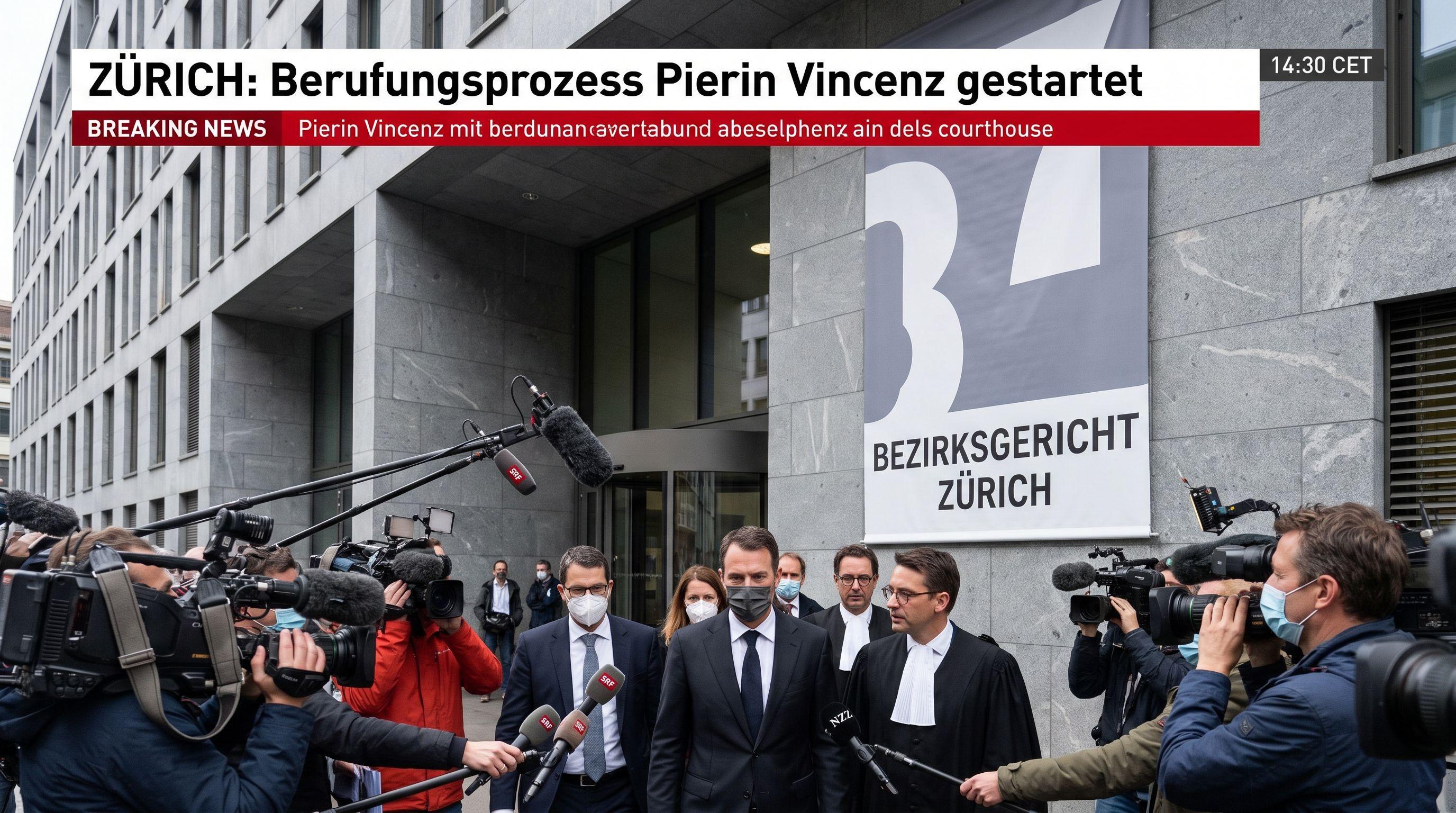
Nearly 100 people flooded the Zurich High Court on Monday morning as the most anticipated legal sequel in Swiss banking history began. Pierin Vincenz, the man who once sat at the pinnacle of Raiffeisen, arrived not in a chauffeured limousine, but in a modest small car, signaling a stark contrast to the era of corporate excess that defined his tenure. This appeal trial represents a critical crossroads for the Swiss judiciary. Vincenz is fighting to overturn a 2022 conviction that saw him sentenced to a staggering three years and nine months of unconditional prison time. The atmosphere outside the court was electric, as a throng of media and curious citizens watched the former 'Banker of the Year' enter the building. While he appeared in good spirits, he remained silent, leaving his legal team to do the talking. This isn't just a trial; it is a public reckoning for a man who once personified the aggressive growth of Switzerland's third-largest bank.
A Legacy of Fraud and Excess
The original 2022 verdict sent shockwaves through the financial sector, exposing a sordid underworld of strip clubs and secret business deals funded by corporate accounts. Vincenz’s former business partner, Beat Stocker, faces an even harsher reality: a four-year prison sentence that he is also desperately fighting to vacate. The prosecution’s case centers on allegations that the duo enriched themselves through undisclosed stakes in firms acquired by Raiffeisen and the credit card provider Aduno. The scale of the alleged fraud is unprecedented for a Swiss retail bank executive, raising alarming questions about the internal controls at an institution that serves millions of Swiss citizens. While the defense argues that these were legitimate business expenses and investments, the first-instance court saw it differently, labeling the behavior as a blatant breach of trust. The trial now pivots to whether the High Court will uphold these severe penalties or find merit in the defense's claims of procedural errors.
Procedural Warfare and Legal Strategy
Legal experts expect the first 24 hours of this trial to be dominated entirely by procedural maneuvering. Vincenz’s defense team is already pushing for the proceedings to be stayed, citing various legal technicalities and alleged flaws in the initial investigation. The High Court has provisionally carved out 10 full days for this hearing, a duration that underscores the massive volume of evidence and the complexity of the financial transactions involved. On Tuesday, the spotlight shifts directly onto Vincenz as his personal questioning begins. This phase is critical; every word will be scrutinized for consistency against his previous testimonies. The defense is banking on the hope that the High Court will take a more lenient view of the 'entrepreneurial freedom' Vincenz claimed to be exercising. However, the prosecution remains steadfast, aiming to prove that the line between corporate leadership and personal enrichment was not just blurred, but intentionally erased.
Switzerland’s Financial Reputation at Stake
The implications of this verdict extend far beyond the prison cells potentially awaiting Vincenz and Stocker. Switzerland’s reputation for financial integrity hangs in the balance as the world watches how its courts handle high-level white-collar crime. For years, the 'Vincenz Case' has been a symbol of corporate governance failure, prompting Raiffeisen to undergo a radical restructuring of its oversight mechanisms. As the trial progresses, the Swiss public demands more than just a verdict; they seek a guarantee that the era of 'untouchable' bankers is over. If the High Court upholds the sentences, it will send a powerful message that the Swiss legal system has the teeth to bite even its most influential figures. Conversely, an acquittal or a significantly reduced sentence could ignite a firestorm of criticism regarding the accountability of the nation's financial elite. The eyes of the global banking community remain fixed on Zurich, waiting to see if justice in the Alps is truly blind.