Politics
Swiss voters set to decide on five federal proposals in February
Swiss voters will decide on five federal proposals on February 28, 2027, the Federal Council has confirmed. The ballot will include a proposal to lift the ban on building nuclear power plants and a free-trade agreement with Malaysia.
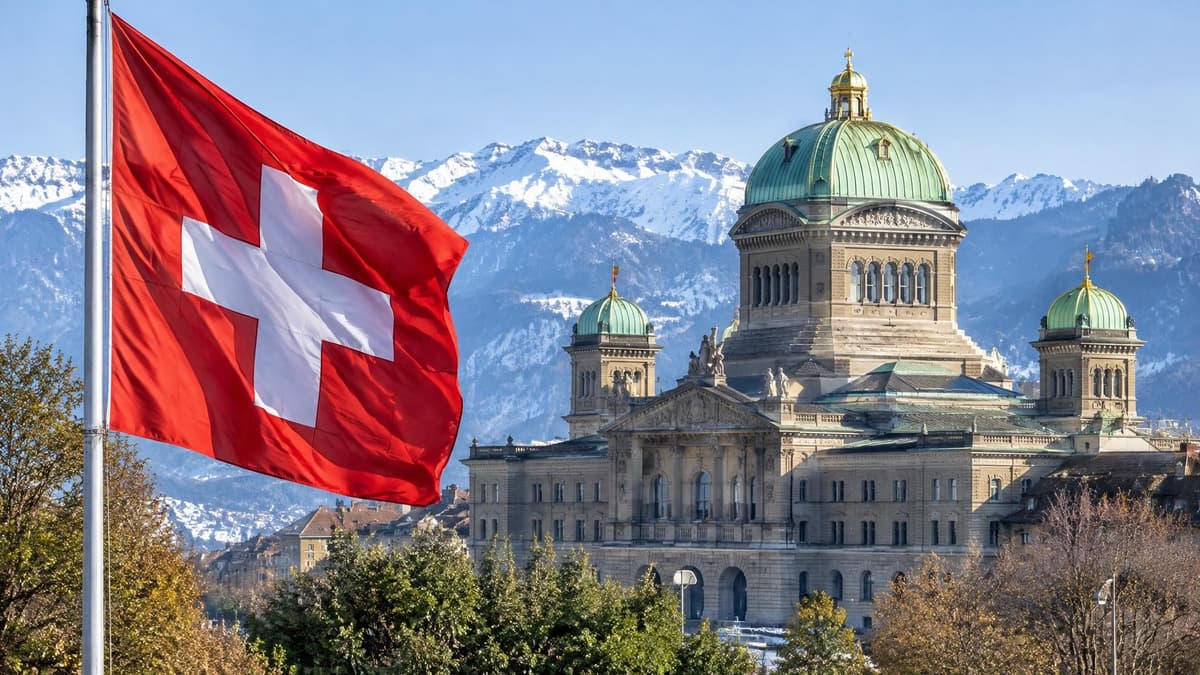
Five federal proposals will share one Sunday ballot, with voters due to make their decisions on February 28, 2027. The Federal Council confirmed the list on Wednesday, setting out the first of only two federal voting days scheduled for the election year.
The proposals span energy, trade, food policy, democracy and wage regulation. Voters will be asked whether to lift the ban on building nuclear power plants and whether to approve a free-trade agreement with Malaysia. The ballot also includes the foie gras initiative, the democracy initiative and a measure concerning wage floors below cantonal minimum wages.
The February vote carries unusual weight in the 2027 calendar. In a typical year, federal proposals are spread across four voting days. Next year’s parliamentary and federal election cycle leaves room for just two, concentrating several national decisions in a single round. The first ballot alone will put more proposals before voters than the average total for an entire election year since 2000.
Put Energy, Trade and Wages to a Vote
Energy and trade will headline a ballot that also reaches into daily policy. The nuclear proposal would lift the ban on building nuclear power plants. The Malaysia agreement asks voters to approve a free-trade deal, placing international commerce alongside domestic questions on the same ballot.
Three further proposals broaden the choices. The foie gras initiative and the democracy initiative will each go before voters. The fifth proposal would allow wage floors below cantonal minimum wages to be made universally binding. Its focus on the relationship between wage floors and cantonal minimums puts labour rules on the federal agenda.
Together, the five questions bring distinct policy areas into one national vote. The Federal Council’s announcement confirms the ballot’s subjects and date; voters will decide each proposal on February 28. For people across Switzerland, the ballot means considering energy infrastructure, trade relations, food policy, democratic rules and wage regulation in the same federal voting round.
Compare February With the 2003 Record
Five proposals make February’s ballot crowded, though Switzerland has seen more on a single day. Since 2000, the busiest federal voting day was May 18, 2003, when voters faced nine proposals. That ballot included army reform, a nuclear phase-out, and initiatives on car-free Sundays and fair rents.
Across the period since 2000, voters have decided on an average of eight to nine federal proposals a year. With the usual four voting days, that works out to around two or three proposals per ballot. February’s five therefore exceed the typical load for one voting Sunday, while remaining below the 2003 record.
Election years bring a different rhythm. The Federal Council traditionally schedules no referendums in the second half of an election year, keeping policy votes separate from the campaign for the autumn elections. In the six election years since 2000, voters decided on an average of about four federal proposals over the entire year. The first ballot of 2027 alone is set to pass that average.
Watch for More Questions in June
June 6 is the next scheduled federal voting date, and more proposals could reach voters then. Eight popular initiatives are pending in Parliament. Opponents of the free-trade agreement with Mercosur countries are also collecting signatures to force a referendum, creating another possible issue for the voting calendar.
The proposed Malaysia agreement is already set for the February ballot. The Mercosur agreement is at a different stage: opponents are gathering signatures to trigger a referendum. The package of agreements with the European Union could also affect the year’s voting agenda, but whether it will be ready for a vote by the summer remains unclear.
The Federal Council has set February 28 as the first of the two voting days in 2027 and June 6 as the other. The election-year schedule places five national questions before voters in February, while pending initiatives and trade disputes could shape what comes next. For Swiss voters, the calendar offers an early round of decisions followed by another scheduled opportunity in June.