fuel supply
Switzerland considers 80km/h motorway limit amid fuel supply pressure
Switzerland is considering an 80km/h motorway speed limit as fuel supplies come under pressure from low Rhine water levels and the effects of war in the Middle East. The government has also drawn on compulsory reserves to help maintain supplies.
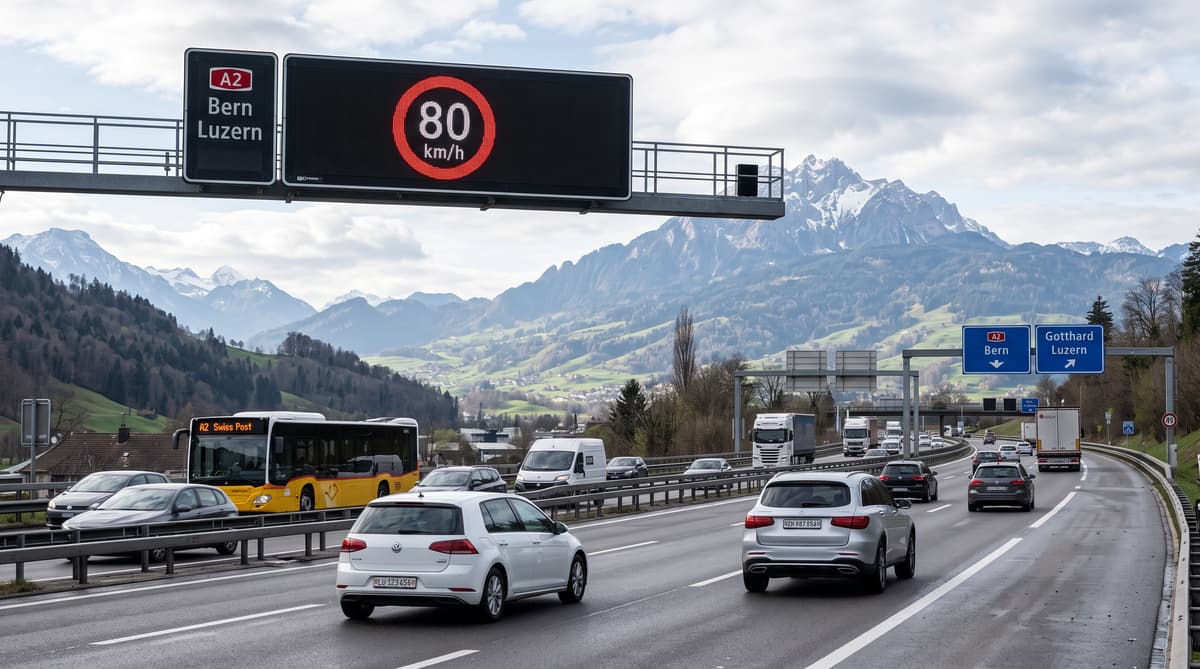
Fuel supplies are under pressure, and Bern is weighing a measure that could quickly cut motorway speeds. The federal government is considering an 80km/h limit to save fuel, as low Rhine water levels restrict deliveries and war in the Middle East adds pressure to supplies. The proposal remains a contingency, not an immediate change for Swiss drivers. The government says it would consider the limit only if a substantial share of compulsory reserves had been used and voluntary savings were insufficient. The Federal Council could introduce the measure quickly, according to the federal office. For now, the government and transport industry agree that Switzerland faces strain but no acute fuel shortage. Compulsory reserves are already helping to maintain supply: the government has released small quantities since September, including 4% of diesel reserves last week. The speed-limit debate brings the supply risk onto the motorway, even as Switzerland continues to receive fuel through other routes.
Trace the routes keeping fuel moving
The Rhine is a key route for petrol and heating oil arriving in Switzerland. Barges normally carry these fuels from Rotterdam through Basel, but persistently low water has severely restricted shipments. The disruption matters because Switzerland relies on several transport routes to keep supplies moving. Crude oil from the United States arrives by sea at Marseille and then travels by pipeline to the Cressier refinery in the canton of Neuchâtel. Rail shipments bring petrol and diesel from refineries including Ingolstadt in Germany. These alternatives remain open, but further disruption could create serious shortages. A pipeline outage lasting several weeks would be particularly damaging. Last week, heavy rain in southern France flooded pumping stations and briefly interrupted pipeline operations. That interruption shows how supply pressure can arise beyond the Rhine route, too. The mix of barge, pipeline and rail deliveries gives Switzerland different ways to bring in fuel, while leaving supply exposed to transport interruptions and difficult conditions along key routes.
Weigh reserves against a slower motorway
Compulsory reserves are designed to cover disruptions, and the government has begun drawing on them. Switzerland holds reserves of diesel, petrol, kerosene and heating oil. Officials have released small amounts since September, including 4% of diesel reserves last week. The federal government links any possible motorway speed restriction to the extent of reserve use: an 80km/h limit would be considered only if a substantial share had been used and voluntary savings fell short. Transport operator and National Council member Benjamin Giezendanner, of the SVP/UDC, opposes introducing the measure at this stage. He argues that stocks remain ample and would last more than 24 months if Switzerland continued reducing them at the current rate. Giezendanner also says many motorists already drive below the usual 120km/h motorway limit. He accepts that the government needs to examine longer-term options, but sees little reason to discuss an 80km/h limit now. The debate therefore turns on reserve levels, voluntary action and the risk of further supply disruption.
Watch the triggers for action
The proposal would affect how motorists travel only if the supply situation worsened. The government’s stated conditions are substantial use of compulsory reserves and insufficient voluntary savings. The Federal Council could act quickly if it decided an 80km/h motorway limit was needed. Whether electric vehicles would also face a lower limit remains an open point in the debate. Exempting them would send a clear signal about the benefits of electric motoring, according to the report. For drivers, the immediate picture is more measured: supplies are under strain, but Switzerland has no acute fuel shortage. The government is using compulsory reserves while monitoring disruptions to Rhine deliveries and other supply routes. Giezendanner’s estimate that stocks could last more than 24 months at the current reduction rate offers one view of the reserves, while officials retain the speed limit as a possible tool if conditions deteriorate. The measure is being considered, not imposed, and its use depends on how supplies and voluntary savings develop.