Switzerland-EU relations
Swiss Senate committee backs new EU treaty package
A Swiss Senate committee has backed the Bilateral Agreements III with the European Union, bringing the package closer to a full parliamentary debate. The key political fault lines include dynamic adoption of EU law, wage protection, immigration safeguards and whether a referendum should be mandatory.
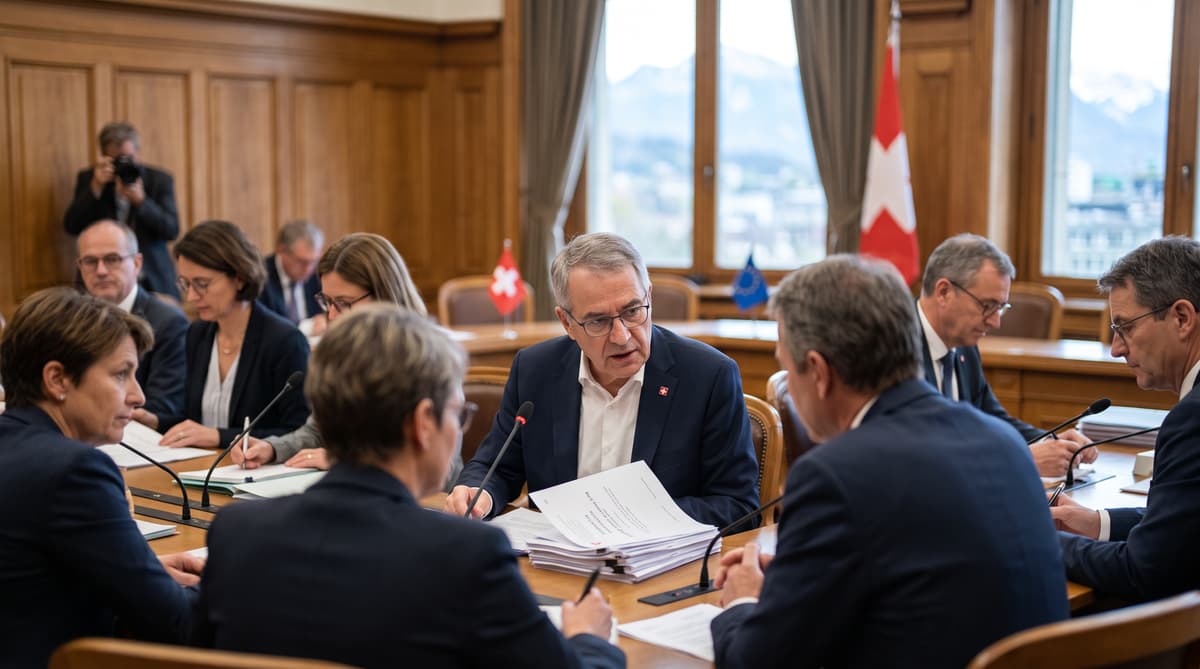
A clear committee majority has moved Bilateral Agreements III to the next political stage. On September 4, 2026, the Foreign Affairs Committee of Switzerland’s Council of States recommended that the chamber approve the new treaty package governing future relations with the European Union. The decision gives the agreements a stronger foothold before the autumn session, when senators will debate the terms in detail.
The committee’s backing does not settle the dispute. It opens the parliamentary contest over how Switzerland should manage its close economic and institutional relationship with the EU while retaining room for domestic safeguards. The package follows years of negotiations over the next framework for bilateral ties.
The Council of States is scheduled to take up the matter at the end of September. Senators will begin with the stabilisation section, followed by agreements covering food safety and health. The planned electricity agreement remains outside the immediate debate because it is not ready for consideration. That sequencing will shape the first test of parliamentary support.
Senators weigh EU law and Swiss autonomy
Dynamic adoption of EU law will sit at the centre of the Senate debate. Bilateral Agreements III is designed to update the rules governing Switzerland’s relationship with the European Union, and lawmakers will examine how closely Swiss regulations should track future changes in EU law.
That issue carries constitutional and political weight. Supporters of a more predictable relationship with Brussels see common rules as a way to protect market access and reduce recurring disputes. Critics are likely to focus on the extent of Switzerland’s discretion when EU legislation changes, and on the role Parliament would retain in responding to those developments.
The debate will also connect institutional questions with practical concerns. Food safety and health agreements are first in line for discussion, areas that affect trade, public administration and cross border cooperation. The package is therefore broader than a single market access measure. It sets procedures for managing a relationship that reaches into Swiss regulation while preserving the country’s distinctive political system and direct democratic checks.
Wages and immigration shape the fight
Wage protection and immigration safeguards will test the package’s domestic support. Swiss lawmakers are expected to scrutinise how the new agreements affect the country’s labour market protections and its ability to respond if immigration rises sharply.
Wage protection has long been a sensitive point in Switzerland’s dealings with the EU. Trade unions and other domestic actors have demanded safeguards against pressure on Swiss pay and employment conditions, particularly where cross border labour mobility is involved. Employers, meanwhile, have an interest in stable access to workers and predictable rules for companies operating across the border.
The proposed safeguard clause for excessive immigration will receive similar attention. Its precise operation will matter more than its label: senators will need to assess when it could be activated and what consequences it would have for Switzerland’s obligations. The source material does not specify the clause’s final wording. Those details are likely to become central as Parliament weighs the economic benefits of closer ties against demands for national control.
Referendum route comes into focus
The referendum decision could determine whether the treaty package faces a nationwide vote. Alongside the substance of the agreements, Parliament is expected to debate whether they should be subject to an optional referendum or a mandatory referendum.
The distinction matters in Switzerland’s direct democratic system. An optional referendum would allow opponents to force a popular vote if they meet the applicable requirements. A mandatory referendum would send the treaties directly to voters and would require approval from both the Swiss people and a majority of the cantons.
The committee’s recommendation is an important procedural step, but it does not predict the final parliamentary outcome. The Council of States must still debate the stabilisation section, food safety and health agreements, and the broader institutional questions linked to EU law. The National Council will also have its say as the legislative process continues.
The electricity agreement is not yet ready for debate, leaving one major part of the planned relationship outside the first parliamentary confrontation. For Swiss businesses, cantons and voters, the timetable now moves from negotiation toward decisions in Bern.