climate change
Swiss Re Warns of Rising Global Heat-Related Mortality
Insurance giant reports heat stress now causes more deaths globally than natural disasters, urges climate adaptation measures
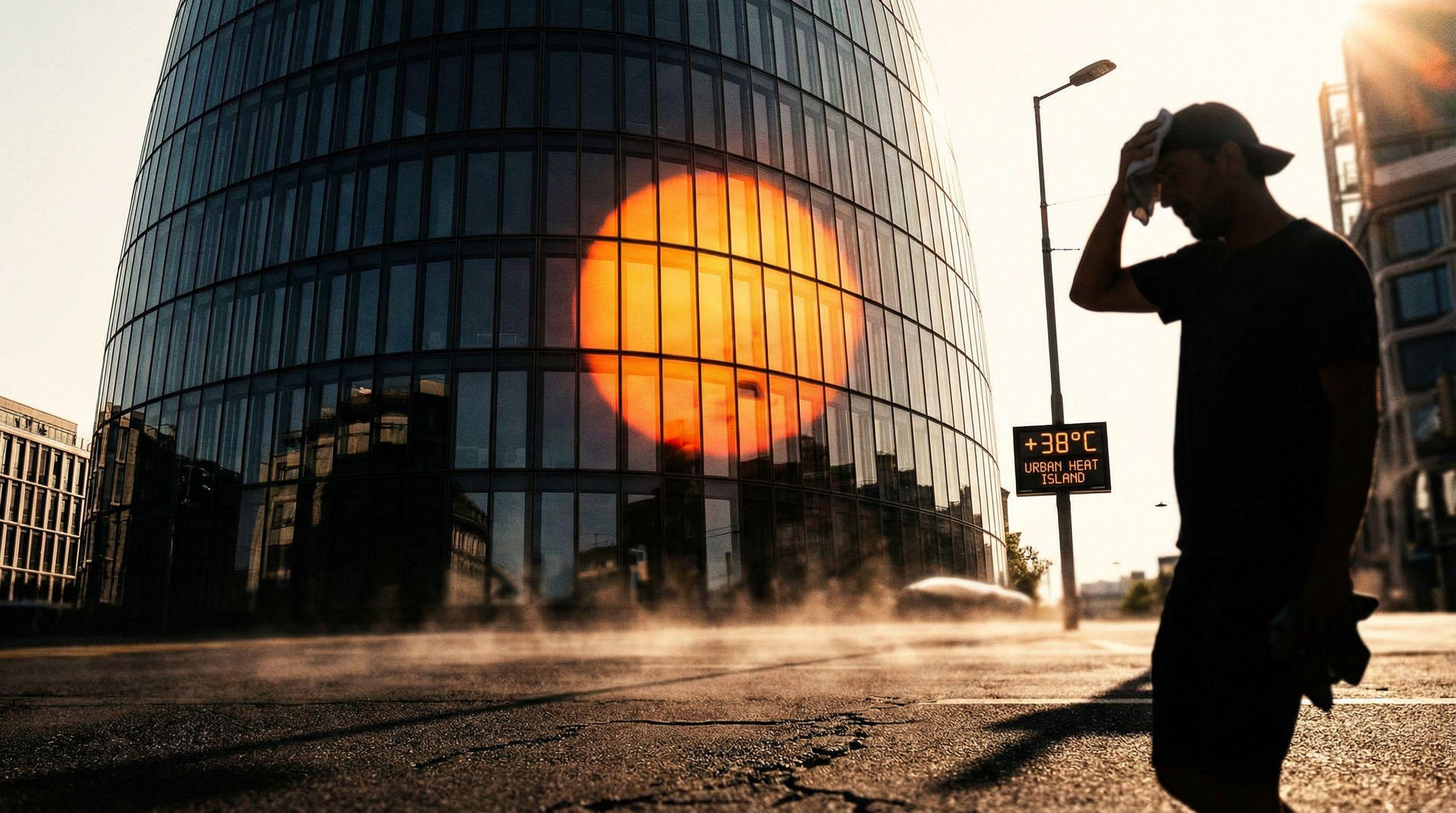
The Silent Assassin: Heat Outpaces Natural Disasters
The numbers are unequivocal and terrifying: extreme heat is now a more prolific killer than nature's most violent spectacles. In a sobering report released Thursday, reinsurance giant Swiss Re revealed that up to half a million people perish annually due to soaring temperatures. This figure is not merely a statistic; it represents a staggering mortality rate that eclipses the combined death toll of earthquakes, floods, and hurricanes.
While the world often focuses on the cinematic destruction of storms, heat stress operates as a silent assassin, claiming lives through exhaustion, heat stroke, and organ failure. The report underscores a critical shift in global risk assessment: the danger is no longer just the storm on the horizon, but the very air we breathe. As the planet warms, this invisible threat is accelerating, turning summer months into survival challenges for millions. Swiss Re's findings serve as a deafening wake-up call—climate change is not just damaging property; it is actively shortening human lifespans on a massive scale.
Records Obliterated: The New Climate Reality
July 2024 didn't just break records; it obliterated them. According to Swiss Re experts, that month witnessed the three hottest days ever recorded since measurements began, signaling a terrifying departure from historical norms. This is not an anomaly—it is the new baseline. The data paints a picture of a climate system in overdrive, with the United States serving as a stark case study for this escalation.
Heatwaves in the US are now occurring with three times the frequency seen in the 1960s. But frequency is only half the story. These events are becoming significantly more intense, registering nearly a full degree hotter and persisting for a full day longer than in previous decades. This relentless rise in duration and intensity denies populations the nightly cooling recovery time essential for survival, compounding the physical toll. The trajectory is clear: without rapid adaptation, the "extreme" weather of today will be the mild weather of tomorrow.
Billions in Smoke: The Financial Inferno
The heat is burning through capital as fast as it burns through forests. The symbiotic relationship between extreme heat, drought, and high winds has created a powder keg for global economies. Swiss Re reports that between 2015 and 2024, forest fires resulted in a staggering $78.5 billion (CHF 63.6 billion) in insured losses worldwide. This financial hemorrhage is straining the insurance industry and threatening the stability of global markets.
From the charred hills of Los Angeles to the vast, smoking woodlands of Canada, the destruction is relentless. The report highlights that recent fires in January and ongoing wildfires across North America are placing an unprecedented burden on insurers. This is no longer a seasonal inconvenience; it is a chronic economic crisis. As infrastructure melts and agriculture withers under the sun, the costs of inaction are mounting. The message to investors and policymakers is stark: adaptation is no longer optional—it is a financial imperative.
Systemic Collapse: Health and Infrastructure at Risk
We are reaching a physiological and structural breaking point. The Swiss Re report details a grim cascade of consequences where the human body and the built environment fail simultaneously. Heat stress is aggressively aggravating cardiovascular and respiratory diseases, pushing healthcare systems to the brink of collapse. The most vulnerable among us—the elderly and pregnant women—are on the front lines of this thermal war.
Beyond the hospital wards, the very skeleton of our society is cracking. Infrastructure designed for the climate of the 20th century cannot withstand the thermal extremes of the 21st. Roads buckle, rails warp, and power grids fail under the demand for air conditioning. The threat extends to agriculture, risking food security as crops scorch in the fields. Swiss Re's warning is a call to arms for immediate adaptation measures. We must redesign our cities, fortify our grids, and protect our vulnerable, or face a future where the summer sun is a lethal adversary.