Olympics
Government Throws Support Behind 2038 Winter Olympics Bid
The Swiss government has officially backed a nationwide bid to host the 2038 Winter Olympics, opening a consultation on providing up to CHF200 million in federal funding for a sustainable, decentralized event staged across the country's language regions.
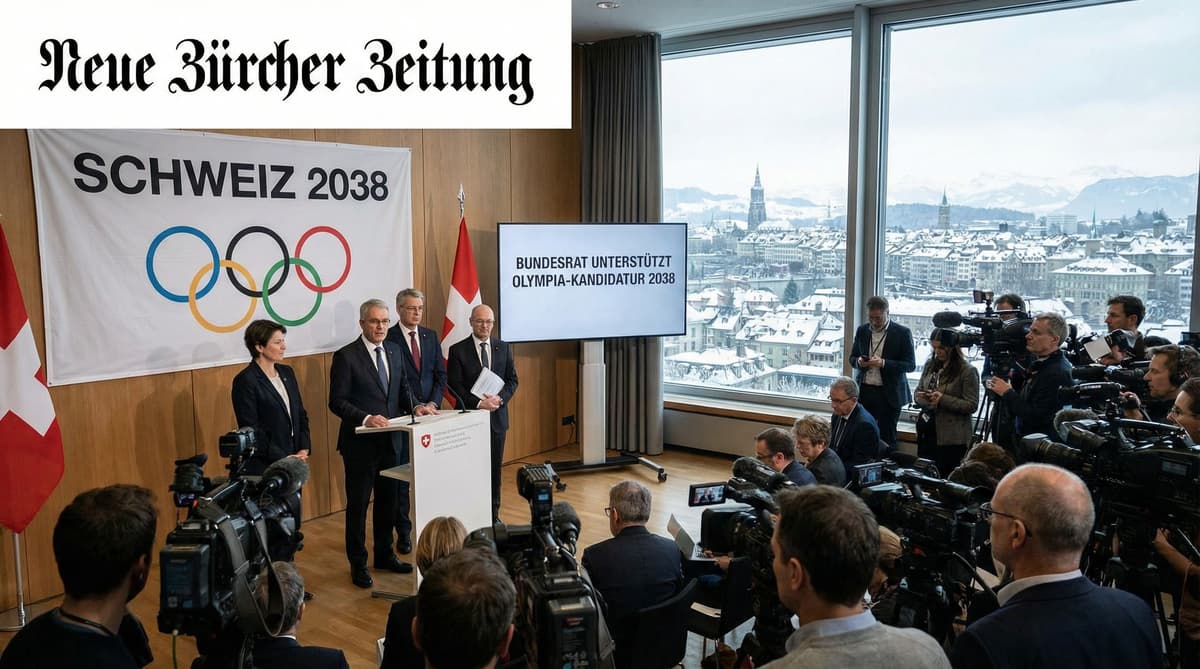
The Swiss Federal Council has officially thrown down the gauntlet, signaling a bold return to the global stage with an emphatic endorsement of the 2038 Winter Olympics. In a decisive move announced this Wednesday, the government opened a consultation on a staggering CHF 200 million ($249 million) federal funding package designed to secure the Games. This is not merely a tentative exploration; it is a muscular statement of intent from Bern.
While other nations grapple with the soaring costs of hosting mega-events, Switzerland is leveraging its financial fortitude to back a bid that promises to redefine the economics of winter sports. The government’s commitment of up to CHF 200 million serves as the financial bedrock for the project, signaling to the International Olympic Committee (IOC) that the Swiss are ready to play. This funding injection is critical, aimed at catalyzing a project that the executive body asserts will generate value far surpassing the initial investment. The clock is now ticking on the consultation phase, as Switzerland moves aggressively to solidify its position as the frontrunner for 2038.
Shattering Tradition: A Nationwide Arena
Switzerland is poised to rewrite the Olympic rulebook entirely. In an unprecedented departure from the single-city hosting model, the 2038 Games will transform the entire nation into a singular, colossal stadium. For the first time in history, a country—not a city—will serve as the official host. This decentralized masterplan will see events staged across all four language regions, stitching the nation together in a celebration of athletic prowess.
Critically, this bid rejects the wasteful extravagance of the past. The plan is ruthlessly efficient: zero new venues will be built. Instead, Switzerland will utilize its existing, world-class infrastructure, proving that sustainability is not just a buzzword but an operational mandate. By refusing to pour concrete for temporary stadiums, the Swiss bid confronts the environmental criticisms that have plagued recent Olympics head-on. This approach turns Switzerland's geography into its greatest asset, utilizing established hubs from the Grisons to the Valais, and ensuring that the environmental footprint remains minimal while the spectacle remains maximum.
Igniting Innovation and Social Cohesion
The Federal Council’s endorsement goes far beyond the slopes and ice rinks; it is a calculated bet on Switzerland’s future. The government asserts that hosting the 2038 Games will act as a powerful engine for technical innovation and a vital reinforcement of social cohesion. In a fractured global landscape, a pan-Swiss event offers a rare opportunity to unify the cantons under a single banner of excellence.
The potential economic ripple effects are significant. Tourism, a pillar of the Swiss economy, stands to gain lasting value that extends well beyond the closing ceremony. By showcasing the country's organizational precision and breathtaking landscapes to a global audience, the Games are expected to enhance Switzerland’s international image dramatically. The executive body explicitly highlights the dual benefits of boosting sport while simultaneously driving progress in sustainability and logistics. This is a strategic maneuver to position Switzerland not just as a playground for winter sports, but as a global leader in sustainable event management.
The Final Hurdles: Securing the Legacy
Despite the government's confident backing, the race is far from won. The immediate focus now shifts to the consultation process, where the details of the CHF 200 million funding package will be scrutinized. However, the ultimate arbiter remains the International Olympic Committee. Switzerland’s bid must rigorously meet the IOC’s evolving criteria for sustainability and legacy to secure the Games.
The stakes are incredibly high. If the bid aligns with the IOC's requirements, Switzerland will reclaim its status as the heartland of winter sports. The government’s proactive stance suggests they are not merely hoping for a positive outcome but are actively engineering it. As the consultation opens, the message from Bern is clear: Switzerland is ready to host the world, provided the world is ready for a new kind of Olympics—one that is sustainable, decentralized, and distinctly Swiss.