security
Swiss army rejected Palantir approaches five times
The Swiss army rejected approaches to work with US technology company Palantir on five occasions, according to research by Republik and WAV. The reporting cites concerns about the security of confidential data.
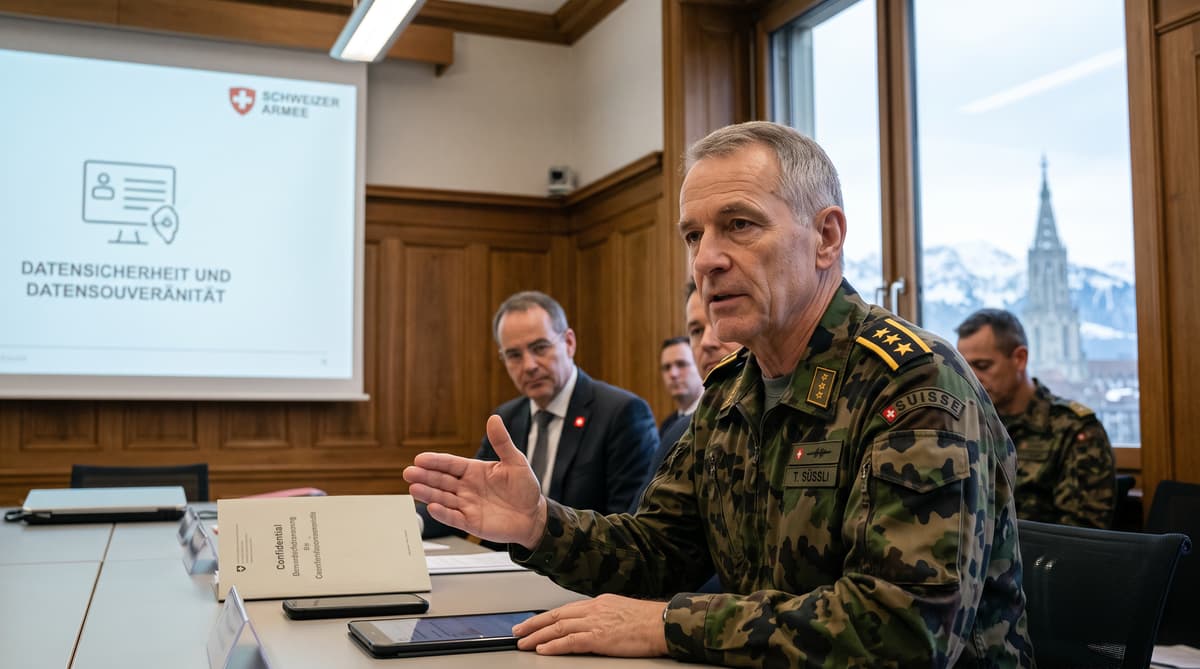
The Swiss army rejected Palantir on all five occasions it considered working with the company. Research by the online magazine Republik and the research collective WAV identified five contacts between army experts and the US technology firm. The findings, reported by RSI, point to control of confidential data as a central concern: in three cases, the army rejected cooperation because it lacked sufficient control over the data.
Palantir sells software that uses artificial intelligence to process large volumes of information, including for military and security purposes. The company says its tools can help address complex problems in real time. Its clients include governments, armed forces and intelligence agencies in several countries. Switzerland has not become one of them.
For the army specialists, the issue was sovereignty over sensitive information. Balz Oertli, one of the journalists involved in the investigation, told RSI: “They obviously didn’t trust Palantir enough.”
Scrutinise Palantir’s data tools
Palantir’s software is designed to analyse large volumes of data quickly. The company offers products for preventing terrorist attacks and identifying military targets, and says its artificial intelligence tools can deliver real-time answers to complex, sensitive problems, including on the battlefield.
Governments, armies and intelligence agencies in several countries use Palantir products. That reach has made the US firm powerful, while its work has also attracted controversy. The Swiss army’s repeated refusals stand out because the company’s potential customers include institutions with security responsibilities similar to those of the Swiss armed forces.
The reporting found that army specialists’ objections centred on whether Switzerland could retain control over confidential information handled through Palantir’s systems. Data sovereignty was decisive in three of the five cases. The findings describe a practical concern within the military: sensitive information must remain subject to the control of the institution using it.
Weigh Switzerland’s place in Palantir’s market
Palantir secured €1.44 billion in contract volume across Europe, according to the European-level investigation by Republik, WAV and partner media outlets. The company generates most of its approximately €4 billion in total revenue in the United States.
Oertli said Switzerland would have been an attractive customer. Its neutrality and position outside NATO, combined with an army comparable in size to other potential customers, made the country a significant prospect for the company. The repeated rejections therefore carry weight for Palantir as well as for Switzerland’s defence establishment.
The company can continue offering its services in Switzerland. The Federal Department of Defence, led by Martin Pfister, has made no fundamental decision that would rule out cooperation. That leaves the question of Palantir’s place in Swiss public-sector work open, even after the army’s five refusals.
Put foreign technology contracts before parliament
A Green Party parliamentary initiative is seeking to ban contracts with foreign providers of these services. It cites concerns about transparency and the security of confidential data, issues also raised by army specialists in the cases examined by Republik and WAV.
The proposal could bring the question of foreign technology providers into parliament. For now, the Defence Department has not made a fundamental decision that would preclude cooperation, and Palantir remains free to offer its services in Switzerland. The army’s refusals therefore do not amount to a countrywide ban.
The investigation also links the Swiss decision to a wider debate over Palantir’s role. The company has a substantial European business and serves government and security clients internationally. In Switzerland, the choices ahead involve both the handling of sensitive information and the rules governing contracts with foreign providers. The initiative puts those concerns before parliament, while the army’s record shows that its specialists have already rejected five approaches.