politics
Gender Gap Emerges in Swiss National Votes
Recent voting analysis reveals significant differences between male and female voters on key national issues, with particularly stark contrasts among voters under 30.
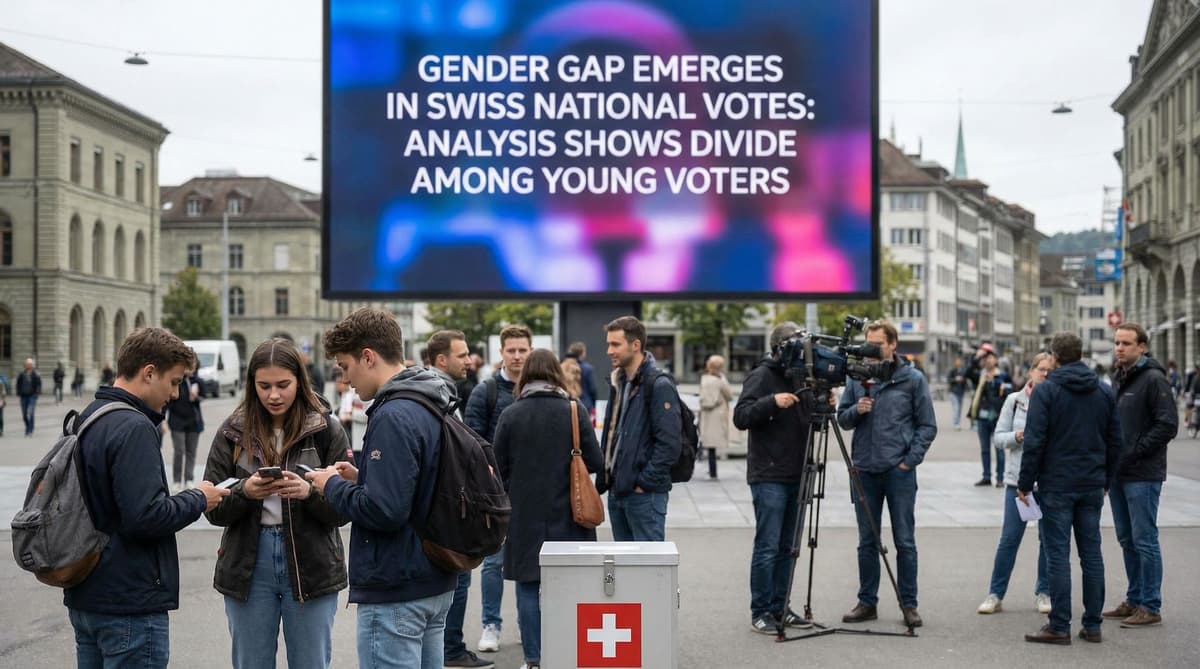
A significant gender gap has emerged in Swiss national voting patterns, according to a recent Vox analysis of the November 2024 referendums. The study reveals a clear division between male and female voters, with women rejecting all four voting proposals put forward, marking a notable contrast to male voting behavior. This unprecedented pattern has sparked discussions about evolving political perspectives across gender lines in Swiss democracy.
Youth Vote Shows Stark Gender Contrasts
The gender divide was particularly pronounced among voters under 30 years of age. This generational aspect adds another layer to the complex voting landscape in Switzerland. Young men and women showed markedly different preferences on key issues, especially regarding infrastructure and healthcare proposals. The stark contrast in voting patterns among younger demographics suggests an emerging trend that could shape future Swiss political discourse.
Party Mobilization and Turnout Patterns
The Vox analysis highlighted significant variations in party mobilization, with the Greens achieving the highest turnout at 71%. The Radical-Liberal Party followed with 56%, while the Social Democratic Party secured an above-average participation rate of 52%. Notably, the Swiss People's Party recorded the lowest turnout at 44%. The overall voter turnout stood at 45%, aligning with historical averages. A surprising finding revealed that approximately one-third of eligible voters simply forgot about the vote.
Impact on Key National Issues
The gender divide was most evident in voting on specific national issues. The motorway network expansion proposal saw a stark contrast, with 57% of men supporting it compared to only 38% of women. Similarly, the healthcare bill revealed significant gender-based differences, with two-thirds of men voting in favor versus 46% of women. These disparities extended to tenancy laws and other proposals, highlighting how gender perspectives increasingly influence Swiss policy decisions.