automotive
Electric Vehicle Sales Decline in Switzerland
New data shows first-ever decline in electric vehicle registrations in Switzerland during 2024, marking significant shift in automotive trends
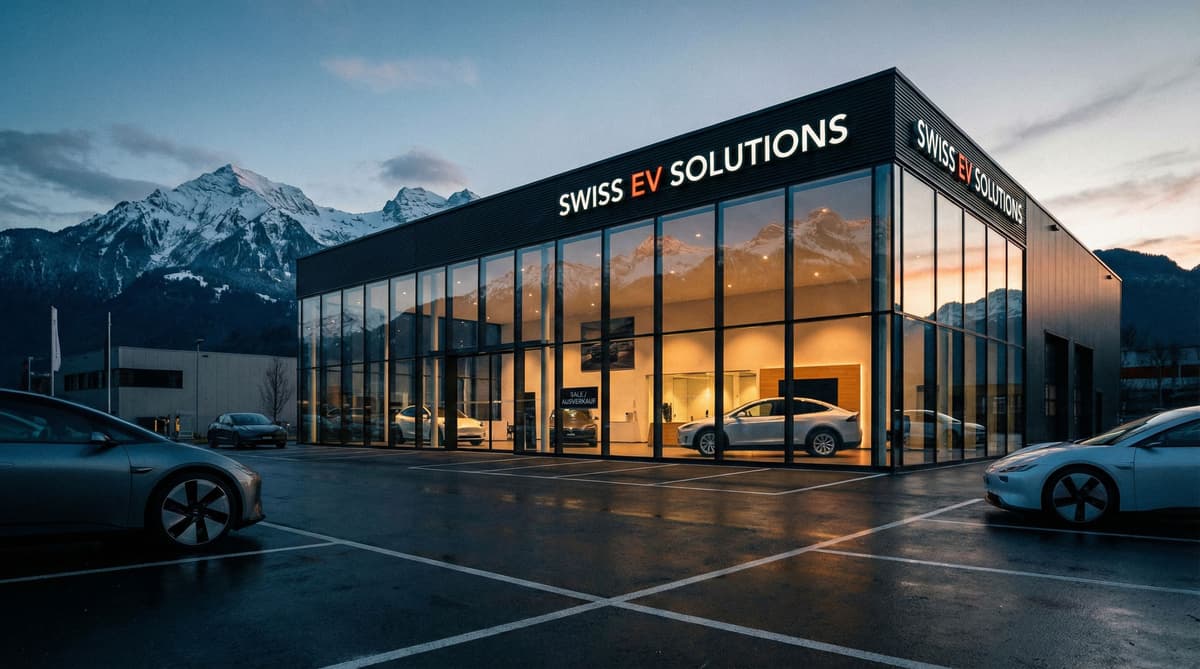
Switzerland’s electric vehicle revolution has hit an unprecedented wall. For the first time in the history of the country's transition to green mobility, the relentless surge of battery-powered vehicle registrations has reversed course. The Federal Statistical Office (FSO) confirms what industry insiders have feared: the boom is over, at least for now. In a dramatic shift that defies the global narrative of inevitable electrification, the percentage of new passenger cars powered solely by electricity slid from 20.7% in 2023 to a sobering 19.0% in 2024.
This isn't just a statistical blip; it is a warning sign for the automotive sector. After years of double-digit growth and aggressive adoption, the Swiss market is cooling rapidly. The momentum that seemed unstoppable has collided with economic and logistical realities, leaving dealerships and policymakers scrambling to understand the new landscape. The era of automatic growth is dead—manufacturers must now fight for every percentage point of market share in a skeptical consumer environment.
By the Numbers: A Market in Reverse
The raw data paints a stark picture of a market in contraction. Total registrations plummeted by 6,000 units year-over-year, with only 46,500 new electric vehicles hitting Swiss roads in 2024. This drop represents a significant retraction in volume that cannot be ignored. While passenger cars took a hit, the commercial sector faced an even steeper decline. The market share for electric goods vehicles crashed from 12.2% down to a meager 8.6%, signaling that businesses are hesitating to commit capital to electric fleets.
These figures represent a staggering departure from the trend lines of the last decade. The drop in absolute numbers—6,000 fewer EVs—is a critical metric that highlights the severity of the slowdown. It suggests that the early adopter phase has been fully exhausted, and the mass market is proving far more resistant to the switch than anticipated. The data is clear: the Swiss appetite for electric mobility is shrinking, not growing.
Roadblocks to Adoption: Taxes and Infrastructure
Why the sudden U-turn? The government’s decision to extend vehicle import taxes to electric cars in January 2024 served as an immediate financial brake on the industry. This policy shift stripped away a key financial incentive, effectively raising the price of entry for eco-conscious drivers just as the market was stabilizing. While range anxiety has largely faded into the rearview mirror thanks to improved battery tech, a new anxiety has taken its place: charging logistics.
Swiss drivers are grappling with a critical lack of home charging options. For apartment dwellers and city residents, the inability to plug in overnight remains a massive barrier to entry. Public infrastructure is growing, but it cannot compete with the convenience of a home garage. The combination of higher upfront costs due to the new tax regime and the persistent logistical headache of charging is creating a perfect storm, dissuading potential buyers who are no longer willing to compromise convenience for sustainability.
The Supply Gap: Where are the Estates?
Beyond taxes and plugs, Swiss drivers face a frustrating lack of choice. An expert from the Touring Club Switzerland (TCS) highlights a glaring omission in the current EV lineup: the estate car. Swiss families and outdoor enthusiasts have long favored the practicality of the estate wagon, yet manufacturers have flooded the market with SUVs and sedans, leaving a critical gap in the showroom. This mismatch between consumer desire and available inventory is stifling sales.
Furthermore, the shift was driven by a generally limited supply of electric cars throughout the year. Manufacturers are failing to align their production with the specific tastes of the Swiss demographic. When a consumer walks into a dealership looking for a practical, electric family hauler and finds none, they walk away—often back to a combustion engine. The industry's failure to diversify body types is a self-inflicted wound that is directly contributing to the 2024 slump.
The Norway Parallel: A Predictable Plateau?
This stagnation mirrors the trajectory of the world’s EV leader, suggesting Switzerland is following a predictable, albeit painful, maturity curve. When Norway reached a similar level of market saturation eight years ago, sales of all-electric vehicles also slowed significantly. This indicates that Switzerland may have hit a natural plateau rather than a permanent cliff. The easy sales have been made; the market is now confronting the 'chasm' of mass adoption.
However, resting on the hope of a natural cycle is risky. Unlike Norway, which maintained heavy incentives, Switzerland has introduced headwinds like the import tax. If the Swiss market is to regain its voltage, it will require more than just waiting for the cycle to turn. It demands a renewed focus on infrastructure and a wider variety of vehicle models. For now, the Swiss EV market is in a holding pattern, waiting for the next spark to reignite the revolution.