Swiss Abroad
Swiss Abroad explain the importance of dual citizenship
Three-quarters of Swiss citizens living abroad hold at least one other nationality, compared with about one in five Swiss residents, according to Swissinfo. Swiss Abroad describe dual citizenship as both a practical choice and a way to express attachment to their country of residence.
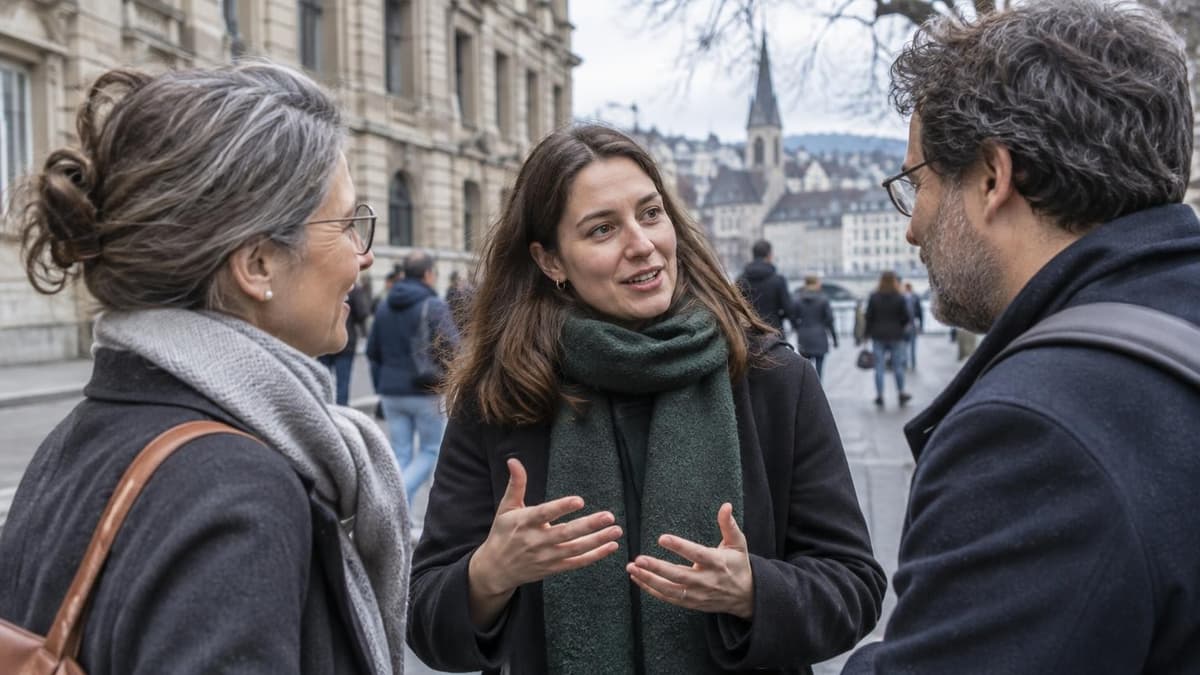
Three-quarters of Swiss citizens abroad hold another nationality, compared with about one in five Swiss residents, according to Swissinfo. The difference reflects the varied reasons people take a second passport: for some, it marks a lasting bond with a new home; for others, it helps them manage everyday life. The accounts published by Swissinfo on November 10, 2026, show how citizenship can also keep a connection to Switzerland alive.
Paul Widmer moved to Germany more than 15 years ago. He built a life there, starting a family, building a house and finding a permanent job. In time, he wanted German citizenship as well as Swiss citizenship. He described the decision as an expression of “respect and affection for Germany”. Widmer’s experience sits alongside stories from the United Kingdom, Australia and Mexico, where Swiss citizens describe different ways a second nationality shapes home, family and practical choices.
Make a Second Passport Mean Home
A second passport can register a change in where someone feels at home. Peps Türler moved to the United Kingdom in 1983 and acquired British citizenship four years later. She wanted to express “that my life is now here”, while Switzerland remained important to her.
Brexit altered her relationship with the UK. Türler says she now feels less at home there and that British citizenship no longer means much to her. She still sees herself first and foremost as Swiss and may return to Switzerland towards the end of her life. Her account shows that national identity can shift with experience, even when legal citizenship remains part of a person’s life.
A Swiss woman who has lived in Australia since 1971 describes a different connection. She holds Swiss and Australian citizenship, plus Italian citizenship through marriage. Asked whether all three nationalities represent a sense of home, she answered: “Certainly.” The stories point to citizenship as both a legal status and a personal marker of belonging.
Use Citizenship to Ease Daily Life
For some Swiss citizens abroad, citizenship solves practical problems as well as expressing attachment. Beat Sieger, who lives in Mexico, applied for Mexican citizenship partly for “very practical reasons”. Without a Mexican passport or the relevant documents, he had struggled with tasks such as opening a bank account.
The process took time, even though Sieger qualified for a simplified procedure because his son was born in Mexico. He had Swiss documents translated and certified, then married again in Mexico to avoid what he described as “additional mountains of paperwork”. He also took oral and written tests on language and history.
The process shows how a second nationality can affect ordinary administration, from handling documents to accessing banking. For Sieger, acquiring citizenship meant working through a demanding set of steps to make daily life easier. His account adds a practical dimension to the reasons Swiss citizens abroad pursue another passport, alongside the expressions of home and identity described by Widmer and Türler.
Keep Swiss Ties While Building a Life Abroad
A second nationality can bring a family’s different ties into one picture, but legal rules can shape whether someone feels able to apply. Widmer paused his German citizenship application when debate revived over possibly abolishing dual citizenship in Germany. He worried that taking German citizenship alone would leave him as the only exclusively German member of his family: his German wife had acquired Swiss citizenship through their marriage, while his children had Swiss citizenship through him.
After Germany again made dual citizenship possible, Widmer reapplied. He now holds both passports and can vote in Germany and Switzerland. He says the Swiss voting right helps him maintain ties to his former home, and calls the opportunity to vote in both countries a “great privilege”.
His experience links the personal benefits of a second passport with the rules governing access to it. For Swiss citizens abroad, dual citizenship can recognize a settled life elsewhere while preserving participation in Swiss public life. The accounts show how family, practical needs and changing feelings of home all inform that choice.