environment
Wolf Attack Sparks Debate Over Swiss Wildlife Management
Recent llama killings in Bern canton intensify discussions on wolf population control and livestock protection measures
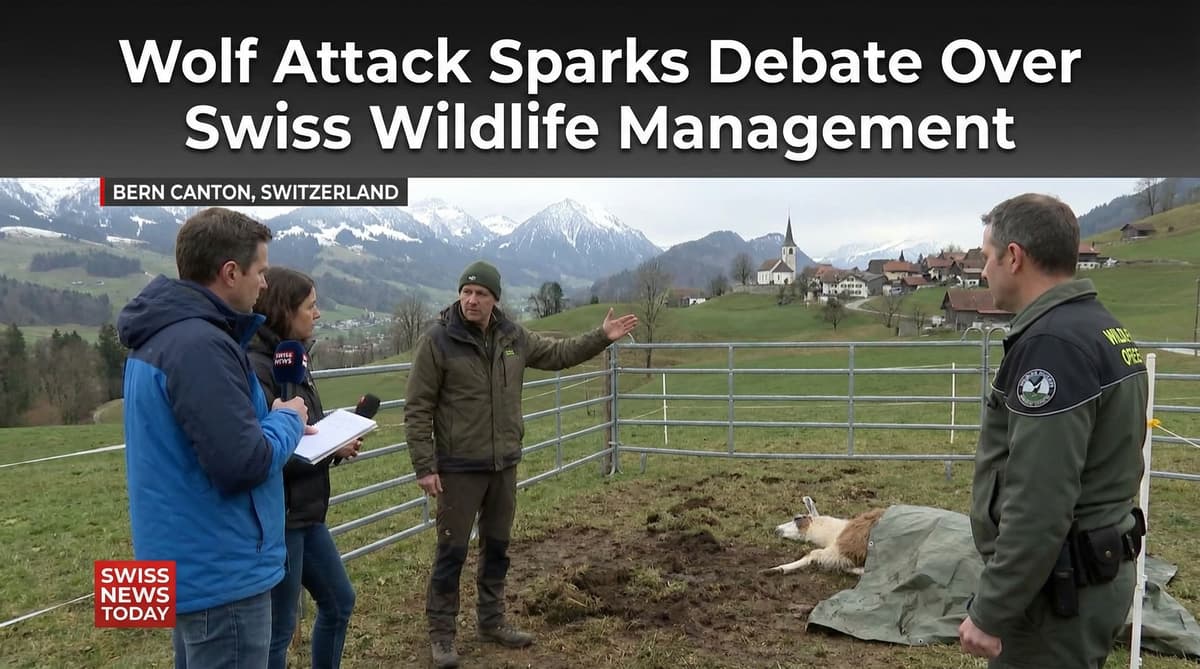
In a significant wildlife incident that has sparked renewed debate over Switzerland's wolf management policies, three llamas were killed and one injured by a wolf in Hasliberg, located in the canton of Bern. The attack has highlighted the ongoing challenges of balancing wildlife conservation with livestock protection in the Swiss Alps. The incident, which occurred in early October 2025, has become a focal point for discussions about the effectiveness of current wildlife management strategies.
Official Response and Controversy
The canton of Bern's environment department has taken a firm stance on the incident, declaring that no shooting order will be issued as the llamas were not sufficiently protected according to standard requirements. This decision has highlighted the complex regulatory framework surrounding wildlife management in Switzerland, where protective measures must be demonstrated before culling authorizations are considered. The case has raised questions about the classification of llamas within livestock protection protocols and the criteria for implementing protective measures.
Farmers' Demands and Concerns
The Bern Farmers' Association (BEBV) has responded forcefully to the incident, expressing serious concerns about wolf behavior and its implications for livestock safety. In their official statement, the BEBV emphasized that the wolf has 'lost its natural fear of livestock and humans,' calling for immediate action from cantonal authorities. Their demand for a culling order during the current grazing season reflects growing tensions between agricultural interests and wildlife conservation policies. The association has also highlighted the challenging terrain, suggesting the involvement of hunters in any potential control measures.
Wildlife Management Implications
This incident has broader implications for Switzerland's wildlife management policies, particularly regarding the balance between wolf conservation and agricultural interests. The case highlights the need for clear guidelines on protecting various types of livestock, including less common animals like llamas. It also underscores the ongoing debate about appropriate responses to wolf presence in agricultural areas and the effectiveness of current protection measures. The situation in Hasliberg may influence future policy decisions about wildlife management in Switzerland's alpine regions.