health
Switzerland Steps Up Prevention of Fetal Alcohol Syndrome
Addiction Switzerland reports 1,700 annual cases, calls for improved support systems and awareness
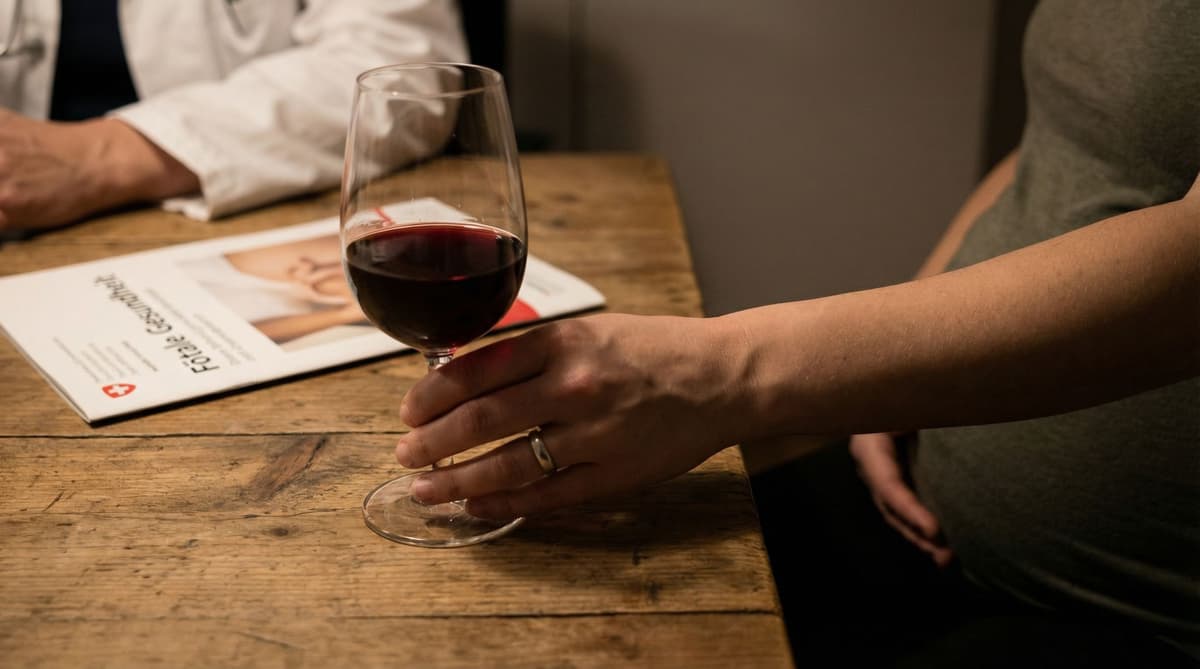
A staggering 1,700 babies are born in Switzerland each year grappling with Fetal Alcohol Spectrum Disorder (FASD), a preventable tragedy that exposes a glaring hole in our national health strategy. This alarming figure isn't just a statistic; it represents nearly five infants every single day entering the world with compromised futures due to insufficient prevention measures. Addiction Switzerland has issued a sharp rebuke of the status quo, criticizing the nation's lackluster approach ahead of World FASD Day.
The sheer volume of cases highlights a systemic failure to protect the most vulnerable. While Switzerland prides itself on a world-class healthcare system, this specific blind spot allows thousands of families to drift into crisis. The foundation's report serves as a wake-up call, demanding that health authorities confront the reality that current preventative efforts are woefully inadequate. We are not merely dealing with a lack of awareness; we are facing a public health shortfall that demands immediate, aggressive intervention to halt these preventable lifelong sentences.
Navigating a Digital Minefield of Misinformation
The internet is failing expectant mothers. Addiction Switzerland's comprehensive study of online resources reveals a chaotic landscape of outdated data and dangerous inaccuracies. Pregnant women searching for guidance are forced to navigate a digital minefield where some content recklessly downplays the risks of alcohol, while other sources offer little more than fear-mongering without substance. This inconsistency creates a perilous environment for women who may have consumed alcohol before realizing they were pregnant.
Clarity is the first casualty in this information war. Instead of finding unequivocal medical advice, women encounter a confusing mix of opinions that fails to address their specific needs. Addiction Switzerland asserts that this ambiguity is unacceptable. The message must be absolute and unwavering: the only safe behavior is total abstinence from alcohol for the entire duration of the pregnancy. Anything less than a unified, accurate digital front endangers lives and perpetuates the cycle of FASD in Switzerland.
The Irreversible Toll on Swiss Futures
FASD is not a temporary condition; it is a life sentence of neurological and developmental hurdles. The consequences of prenatal alcohol exposure are severe, manifesting as persistent learning disabilities, memory deficits, and psychomotor difficulties. These children face an uphill battle from their very first breath, often struggling to comprehend complex concepts or establish normal social interactions as they grow.
The impact ripples outward, straining families and the educational system. A child born with FASD requires significant, long-term support to navigate a world that moves too fast for their cognitive processing. By failing to prevent these cases, Switzerland is effectively allowing thousands of its future citizens to face preventable barriers to success. The foundation emphasizes that these are not just medical symptoms but profound existential challenges that dictate the quality of life for affected individuals. The biological reality is harsh: alcohol acts as a potent toxin to the developing fetus, and the damage done is often permanent.
Closing the Critical Support Gap
A critical void exists in our support infrastructure: women battling addiction during pregnancy are largely left to fend for themselves. Addiction Switzerland reports a severe shortage of regional contact points designed to help expectant mothers struggling to give up alcohol. This isolation is dangerous. Women who cannot simply 'stop' are often met with stigma rather than the specialized medical and psychological support they desperately require.
We must bridge this gap immediately. The current system fails to identify these cases early enough to intervene effectively. Addiction Switzerland is now committing to a robust campaign to increase the visibility of reliable information and support offers across the cantons. However, charity initiatives alone are not enough. The state must step up to ensure that every region in Switzerland offers accessible, non-judgmental assistance. Until we provide a safety net for mothers dealing with addiction, we cannot hope to reduce the 1,700 annual cases that continue to haunt our public health statistics.