digital identity
Switzerland to issue biometric identity cards from November
Switzerland will begin issuing biometric identity cards in November, with chips containing a facial image and two fingerprints. Existing non-biometric cards will remain valid, while the reform is intended to reduce misuse and preserve Swiss citizens’ ability to travel within the European Union.
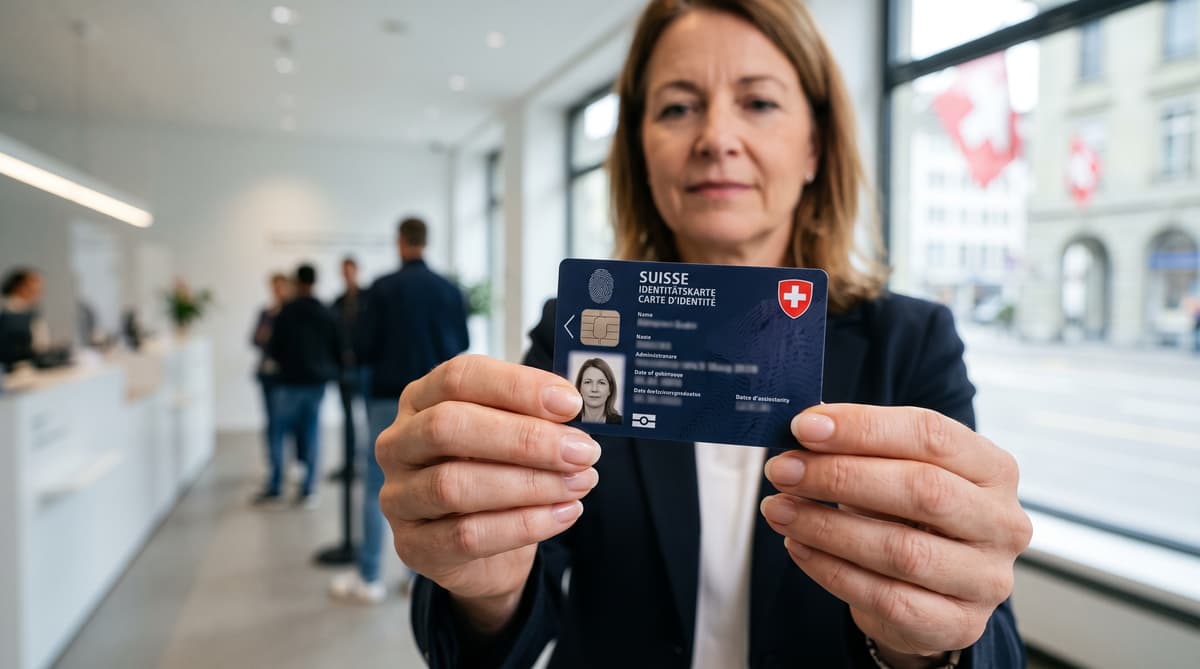
Applications open on November 2, 2026, giving Swiss citizens access to a new identity card fitted with the same core biometric technology used in the Swiss passport. The Federal Council approved the required amendment to the ordinance on August 26, setting the legal change to take effect one day earlier, on November 1.
The chip will store a facial image and two fingerprints. Fedpol says the measure will strengthen protection against misuse and bring Switzerland's identity documents into line with European travel requirements. EU member states have issued only biometric identity cards since 2021, according to the federal police.
The reform applies to Swiss citizens, including dual nationals. Applications will be handled by cantonal passport offices in Switzerland and by Swiss diplomatic missions abroad. The new system therefore affects people renewing an identity card, applying for their first card, or preparing for regular travel in Europe.
The launch gives Swiss travellers a document designed to remain compatible with the rules governing movement across the European Union. It also leaves room for citizens who have no need for a biometric travel document to retain a simpler option for domestic identification.
The Chip Stores the Key Biometrics
Two fingerprints and one facial image will sit on the card's chip, creating a machine readable link between the document and its holder. Fedpol describes the arrangement as reinforced protection against abuse, following the model of the biometric Swiss passport.
The technology is intended to make identity documents harder to misuse. Officials have not presented the card as a general digital identity platform. Its role is narrower and concrete: it is an official identity and travel document that can be presented when crossing borders or proving identity.
That distinction matters in Switzerland, where concerns about personal data have shaped the debate over digital government services. The biometric card stores sensitive identifiers, so its introduction will place attention on how authorities issue, inspect and protect the document. The available source material confirms the data held on the chip, but does not set out further technical details about storage periods, access logs or encryption.
Applicants will use the established cantonal passport office network, which keeps the process within the existing Swiss document administration system. Swiss missions abroad will provide the same service to citizens living or travelling outside the country.
Existing Cards Stay Valid
Current cards will remain valid until they expire, including for travel within the European Union. The Federal Council has not ordered Swiss residents to replace their existing identity documents when the biometric system begins.
Citizens will have two identity card formats available in the future. The biometric version is recommended for people who need a new card and expect to travel within EU member states. A non biometric card remains sufficient for people who use their document only to prove their identity in Switzerland.
The practical difference will be most visible at the point of application. Biometric cards will be available through cantonal authorities and Swiss diplomatic missions abroad. In some cantons, local authorities will continue to issue non biometric cards, as they do today. Applicants should therefore check the procedure in their canton before requesting a document.
The arrangement reflects Switzerland's federal administration. A national legal framework sets the document standard, while cantonal offices and diplomatic missions deliver the service. For Swiss citizens, the choice will depend on travel plans, personal preference and the length of time remaining on an existing card.
Keep the Biometric Card Separate from the e ID
The biometric identity card and the future e ID are separate systems, with different uses and different timelines. The biometric card is a physical document for identification and travel. The e ID will ultimately allow people to prove their identity online, but it cannot serve as a travel document.
That boundary is important as Switzerland continues to debate the role of digital credentials in public and private services. A person carrying the new card will still need to present a physical travel document at the border. The biometric chip does not turn the card into an online login or a universal digital identity.
The government has not given the biometric card the same policy role as the delayed e ID. Fedpol directs citizens seeking the new document to their cantonal passport office or, when abroad, to a Swiss diplomatic mission. The application route is therefore familiar even as the card's embedded technology changes.
For travellers, the immediate consequence is straightforward. A biometric card will support continued movement within the EU under the prevailing European requirements. For residents who use an identity card only inside Switzerland, the existing non biometric format remains available and valid under the stated rules.