WHO
WHO leadership hopefuls set out priorities on equity and trust
WHO director-general hopefuls Gevorg Tamamyan and Maria Neira say the organisation must tackle unequal access to healthcare and rebuild public trust. The candidates discussed their priorities in interviews produced with the Geneva Graduate Institute’s Global Health Centre.
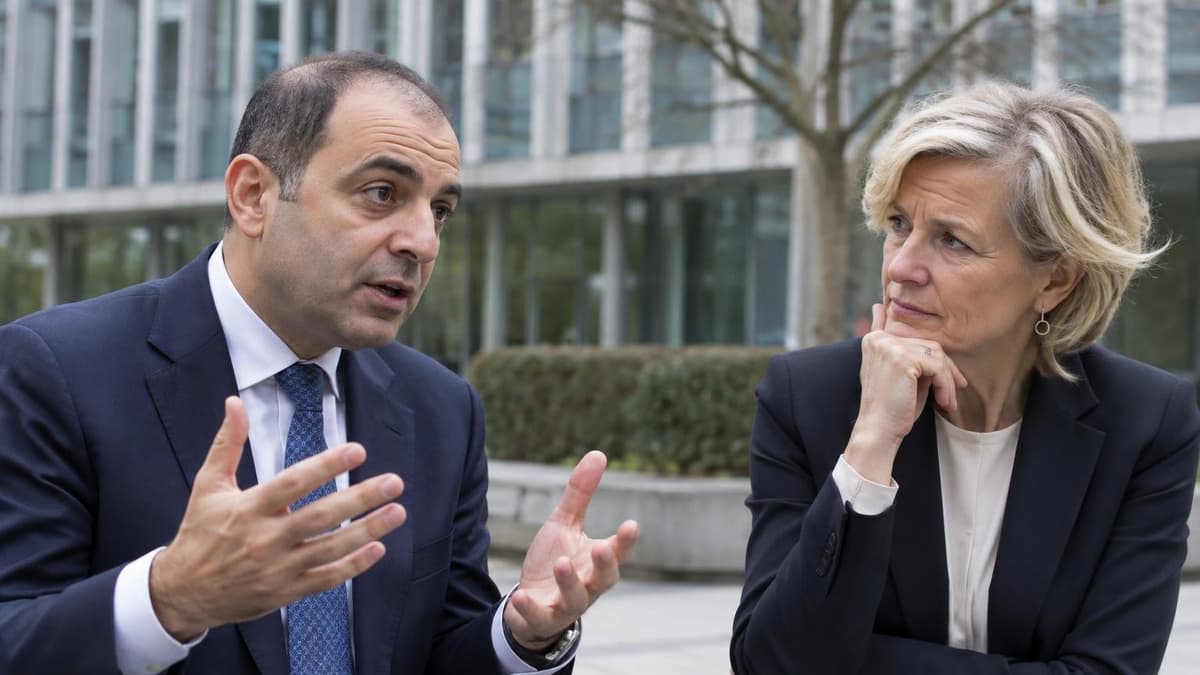
Equity and public confidence are central to two WHO leadership hopefuls’ priorities. Gevorg Tamamyan says a person’s location should not determine their chances of survival. Maria Neira argues that the organisation must restore credibility and trust. Their priorities converge on a basic challenge for global health: healthcare must reach people fairly, and the institution charged with advancing that goal must command confidence.
The candidates set out their views in interviews produced with the Geneva Graduate Institute’s Global Health Centre. The interviews place the debate in Geneva, home to the WHO and a hub for international health policy. Tamamyan’s emphasis is on unequal access; Neira’s is on the WHO’s relationship with the public. Together, their messages put both the organisation’s purpose and its standing under scrutiny.
Make access fair
Tamamyan frames healthcare access as a matter of life and death. “Geography must not decide who lives,” he says, making unequal access the defining concern of his message. His position puts the experience of people in different places at the centre of the WHO’s work: the chance to receive care should not hinge on where someone happens to live.
That emphasis gives equity a practical meaning. A global health organisation cannot serve its purpose if access to healthcare remains uneven. Tamamyan’s stated priority asks WHO leadership to treat those disparities as a core responsibility, rather than a secondary concern. It is a direct appeal to make fairness visible in how the organisation approaches health around the world.
Rebuild public trust
Neira says the WHO must rebuild credibility and trust. Her priority focuses on the relationship between the organisation and the people it serves. Public confidence matters to an institution whose work depends on being heard and taken seriously across countries and communities.
Neira’s stated goal is clear: restore the WHO’s standing. That places trust alongside healthcare equity in the leadership debate. The two priorities address different parts of the organisation’s challenge. Fairer access concerns who benefits from healthcare; credibility concerns whether people have confidence in the institution’s role. Neira’s message makes restoring that confidence a central task for WHO leadership.
Put Geneva in the frame
The Geneva interviews connect the candidates’ priorities to the city’s global health community. Produced with the Geneva Graduate Institute’s Global Health Centre, they bring Tamamyan’s focus on unequal access and Neira’s call to restore trust into a discussion rooted in international health policy.
For Switzerland, the setting gives the debate a local connection: Geneva hosts the WHO and institutions working on global health. The candidates’ priorities point to two questions for the organisation’s leadership, how to address unequal access to care and how to rebuild public confidence. Their answers, as set out in the interviews, make equity and trust prominent themes in the contest for the WHO’s top job.