Switzerland
Switzerland plans tougher social-media rules to protect young people
The Swiss government plans tougher obligations for social-media platforms and search engines, including expanded procedures for reporting suspected illegal content and stronger protections for minors. A bill is expected to be presented in June 2027.
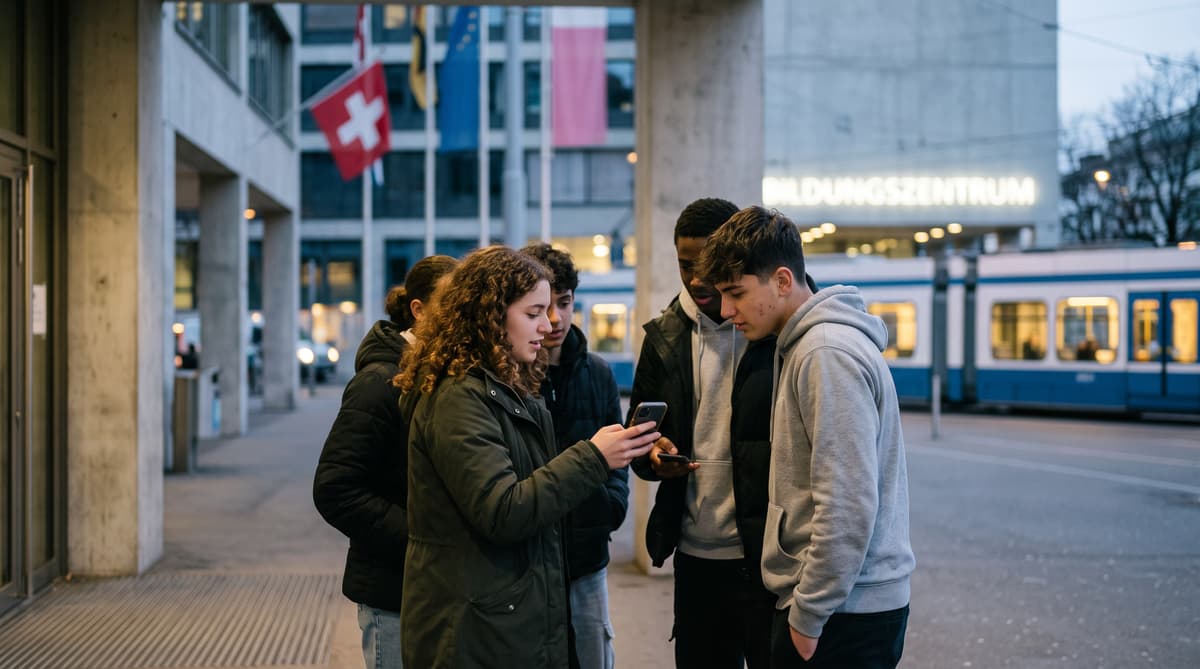
Switzerland is preparing a new round of online regulation focused on children and teenagers. The Federal Council said on Wednesday that it will add stronger youth-protection measures to the preliminary draft of the Act on Communication Platforms and Search Engines. The government also plans to broaden the system for reporting suspected illegal content.
The legislation would cover major services such as Google, Facebook and YouTube. Federal authorities say these companies play an increasingly important role in how people find information and participate in public debate. The proposed law would therefore demand greater transparency and strengthen users' rights when they interact with platforms and search engines.
The announcement follows a consultation held from October 2025 to February 2026. Officials received 214 responses, and a majority supported the proposal. The Federal Council has instructed the Federal Department of the Environment, Transport, Energy and Communications, known by its German abbreviation UVEK, to prepare a dispatch by the end of June 2027. Parliament will then decide whether the measures become law.
Make Platforms Assess Risks to Minors
The proposed duties would make platforms examine the risks their services pose to minors. Companies would have to analyse whether their products create or intensify dangers for young users, then introduce measures to reduce those risks. The source material does not specify which technical safeguards the final bill will require.
The government says the framework should allow minors to use the internet more safely while preserving their right to take part in public discourse. That balance matters in Switzerland, where social media has become part of everyday communication, news consumption and political discussion.
The plan also contains a direct restriction on advertising. Large platforms would be prohibited from displaying personalised advertising to minors. The measure would affect how services use information about young users to select and target commercial content. The Federal Council has not yet published the thresholds that would determine which platforms count as large, nor has it set out how providers would verify users' ages. Those details will shape the practical reach of the law during the drafting process.
Expand Reporting for Suspected Illegal Content
The reporting procedure would cover every type of content suspected of being unlawful. The proposed expansion would give users a broader route for flagging potentially illegal material on covered platforms and search engines. The government has not yet detailed how reports would be assessed, how quickly providers would have to respond or what remedies users would receive when a platform rejects a complaint.
The reporting rules sit within a wider attempt to make online services more transparent. Federal authorities argue that platforms and search engines now influence public debate strongly enough to require clearer responsibilities and stronger user rights. The proposal would place those responsibilities on providers rather than leaving every dispute to individual users or existing legal channels.
The change could create new compliance work for technology companies operating in Switzerland. It could also raise difficult questions about moderation, jurisdiction and the distinction between unlawful content and material that is merely offensive or disputed. The source does not specify the penalties for non-compliance. Parliament will have the opportunity to examine those questions once the Federal Council submits its dispatch.
Balance Political Support With Civil Liberties
Support for the proposal crosses much of Switzerland's political and cantonal landscape. The Centre Party, the Social Democratic Party and the Greens back the plan, and 22 cantons support it. The consultation also produced a majority in favour among the 214 responses submitted between October 2025 and February 2026.
The Greens had already pressed for stronger youth protection through motions in Parliament. Their demands helped put minors' safety at the centre of the government's revised approach. The Federal Council now intends to incorporate additional measures before presenting the legislation for parliamentary scrutiny.
Resistance remains visible. The cantons of Schwyz and Thurgau oppose the proposal, as does the Swiss People's Party. Opponents cite possible risks to freedom of expression and freedom of information. Those concerns could influence debate over the scope of content reporting, the transparency duties imposed on companies and the safeguards for lawful but controversial speech.
The consultation result gives the government a broad base for moving forward, but it does not settle the bill's most contested details. Parliament will have to weigh the proposed protections against the constitutional importance of open communication.
Let Parliament Set the Final Boundaries
The next binding decision will come from Parliament after the government completes its dispatch. UVEK must prepare the document by the end of June 2027, after which the Federal Council can submit the proposed legislation for parliamentary consideration. The timetable leaves room for officials to define the platform thresholds, reporting procedures, risk assessments and enforcement mechanisms that the preliminary announcement does not yet specify.
For families, schools and young users, the most visible effects will depend on those details. A ban on personalised advertising for minors could change the commercial environment around large platforms. Broader reporting channels could give users a clearer way to flag suspected illegal content. New risk assessments could force providers to document how their services affect younger audiences.
Technology companies will also face decisions about compliance in the Swiss market. The government has framed the bill around transparency, user rights and participation in public discourse. Critics will test whether those goals can coexist with effective moderation without restricting lawful expression or access to information.
The proposal has entered the legislative phase, but its final obligations remain to be written. Parliament will determine how far Switzerland's protections extend and how providers must implement them.