fireworks
Swiss voters to decide on ban on noisy fireworks
Swiss voters will decide on November 29 whether to ban the sale and use of noisy fireworks, while allowing quieter devices such as fountains and Bengal lights. Supporters cite noise and environmental damage; opponents say the initiative threatens a popular tradition.
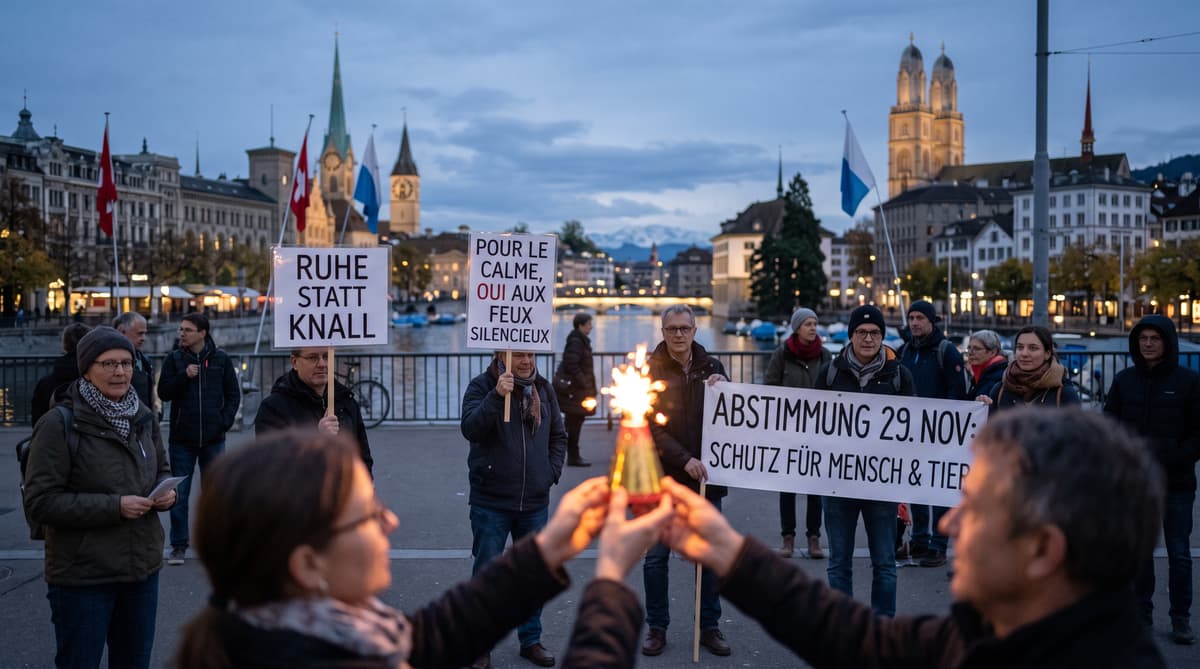
On November 29, Swiss voters will decide whether loud fireworks remain part of public celebrations. The people’s initiative would prohibit the sale and use of noisy fireworks across Switzerland, while allowing quieter products such as Bengal lights and volcanoes. The vote places a familiar feature of August 1 celebrations and New Year’s Eve gatherings at the centre of a national debate over noise, waste and personal freedom.
The proposal does not seek to eliminate every public fireworks display. Cantons could grant permits for events of supra-regional importance, provided organisers hold them within clearly defined times and locations. Large displays could therefore continue for selected national or regional celebrations, subject to cantonal approval.
The initiative reached the ballot after animal welfare organisations and allied groups collected 137,429 signatures, well above the 100,000 needed to force a popular vote. Support has come from organisations representing agriculture, health and nature conservation. Opponents say existing cantonal and municipal rules already give authorities the tools to restrict fireworks when conditions require it.
Recent droughts have prompted several cantons to impose temporary restrictions because of fire danger. The November vote will determine whether those local controls remain the main safeguard or whether Switzerland adopts a nationwide rule targeting noisy devices.
Supporters Target Noise and Pollution
Supporters say fireworks impose costs on animals, people and the environment far beyond a few minutes of celebration. Animal welfare organisations argue that sudden explosions can trigger panic in domestic and wild animals. Some animals flee during displays and are never recovered by their owners, according to the campaign behind the initiative.
The alliance also highlights the effect of loud bangs on people who are particularly sensitive to noise. It names children, older people and those with mental health conditions among the groups that may experience distress from unpredictable explosions. The initiative’s supporters present quieter pyrotechnic devices as a way to preserve a visual element of celebrations while reducing the sharpest source of disruption.
Environmental arguments add another dimension. Supporters estimate that fireworks produce around 1,300 tonnes of waste annually. They say remnants can remain in public spaces or reach agricultural land. Burning fireworks also releases several hundred tonnes of fine particulate matter, metals and other pollutants into the air.
Those figures have gained attention as drought has repeatedly pushed cantonal authorities to restrict fireworks over fire concerns. The campaign links the immediate experience of noise and smoke with longer-lasting waste and air quality problems. Its proposed solution is a nationwide restriction on noisy products, combined with tightly controlled exceptions for major events.
Opponents Defend Local Control and Tradition
Opponents argue that Switzerland already has a system for limiting fireworks when local conditions demand it. Cantons and municipalities can restrict the sale and use of pyrotechnics, and several introduced measures this year because drought increased the risk of fires. From the opponents’ perspective, local authorities can respond more precisely than a federal ban applied throughout the country.
They also stress the limited duration of fireworks use. Displays and private fireworks generally take place on a small number of days, particularly August 1 and New Year’s Eve. Opponents say the disturbance is therefore restricted in both time and place, especially when compared with the wider range of ordinary urban noise.
The campaign against the initiative frames fireworks as a popular Swiss tradition rather than an everyday activity. August 1 celebrations have long featured rockets, firecrackers and organised displays, while New Year’s Eve has become another important occasion for fireworks. A nationwide prohibition on noisy products, opponents say, would remove a familiar part of those gatherings.
They further contend that the measure would interfere with the economic freedom of companies that manufacture, import and sell fireworks. The source material does not specify the sector’s size or the campaign’s proposed alternative rules. The debate therefore centres on whether existing local restrictions can manage the nuisance without changing access across the country.
Initiative Preserves Quiet Displays
The proposed ban draws a line between noise-making fireworks and quieter visual effects. Bengal lights and volcanoes would remain legal under the initiative because they do not produce the same explosive sound. That distinction would allow residents to mark celebrations with light while removing many rockets and firecrackers from private use.
The proposal also leaves room for large public displays. Cantons could issue special permits for events of supra-regional importance, including selected August 1 or New Year’s Eve celebrations. Organisers would have to work within a defined time and location, allowing authorities to concentrate audiences and reduce the spread of noise, debris and other effects.
This framework would shift responsibility toward cantonal approval for major events. A display could continue, but only after authorities assessed whether it qualified for an exception and whether its timing and location met the initiative’s conditions. The text therefore combines a broad national restriction with a limited route for public celebrations.
For private users, the practical change would be more direct. Noisy fireworks could no longer be bought or used legally, even where a municipality had not imposed a temporary restriction. The exact implementation would depend on federal legislation if voters approve the initiative, while the ballot question itself establishes the constitutional direction.
The Ballot Will Set a National Rule
The November 29 result will set a national standard for how Switzerland manages a seasonal source of noise, waste and fire risk. A yes vote would move the country from a patchwork of local restrictions toward a federal prohibition on noisy fireworks. Cantons would retain a role through permits for major events, but private use would face the same basic rule nationwide.
A no vote would leave the existing division of responsibilities in place. Cantons and municipalities could continue to impose restrictions according to drought, fire danger, local noise concerns or the timing of celebrations. Fireworks would remain available where local authorities allowed them, subject to existing regulations.
The campaign has already demonstrated that the issue reaches beyond animal protection. Supporters include groups focused on agriculture, health and nature conservation, while opponents invoke cultural tradition and economic freedom. The competing arguments reflect Switzerland’s political system, where national ballots often test how far federal rules should reach into everyday life.
Voters will decide whether the country should preserve broad local discretion or establish a common national limit. Whatever the outcome, the vote will clarify the future of fireworks at August 1 celebrations, New Year’s Eve gatherings and other public events across Switzerland.