Switzerland
Swiss court upholds citizenship revocation despite statelessness risk
A Federal Administrative Court ruling has upheld the revocation of a naturalised Swiss citizen’s nationality despite concerns about possible statelessness. The article should explain the legal threshold for denaturalisation, the terrorism-related facts of the case and the wider human-rights implications.
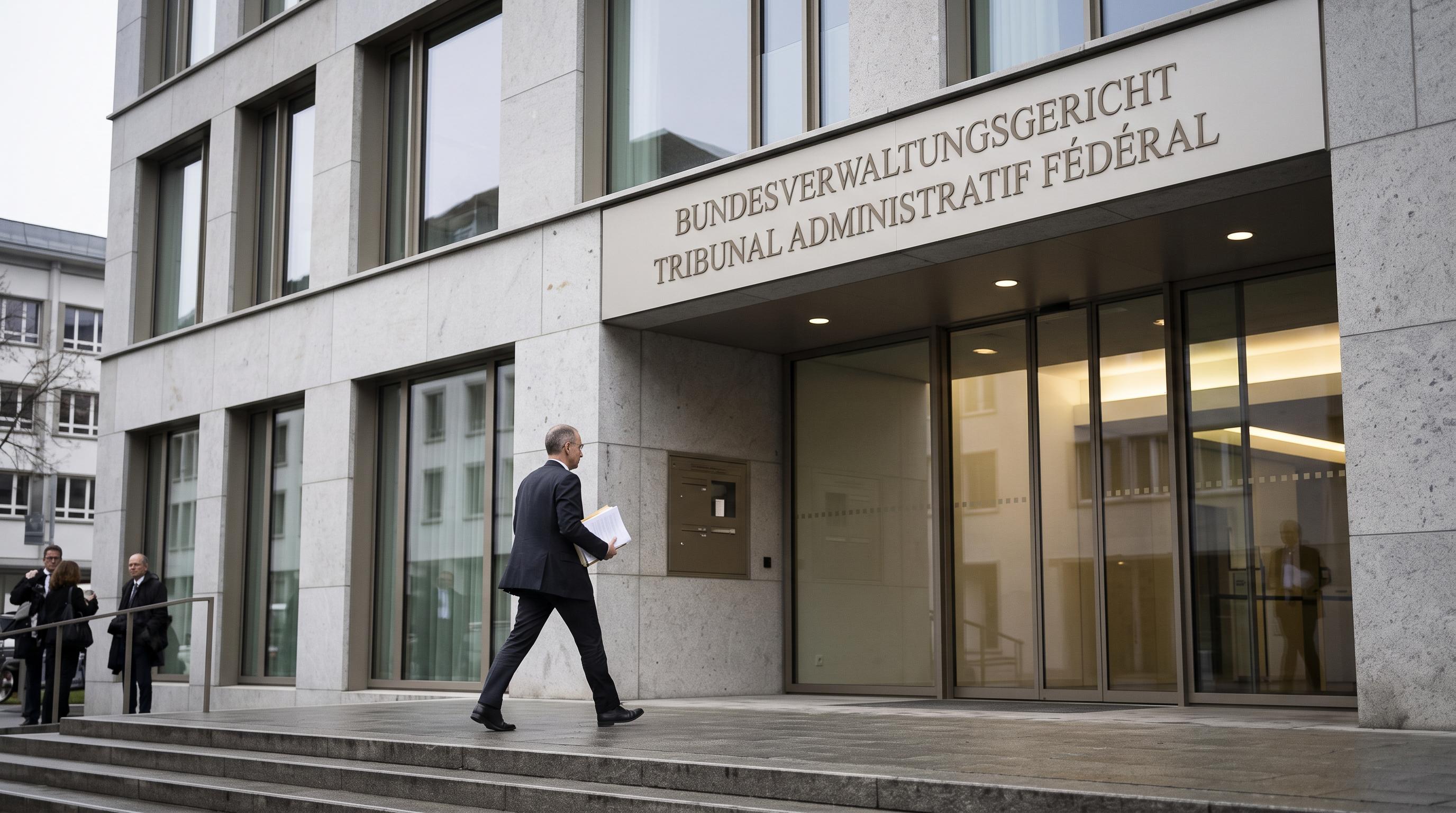
Court Upholds Citizenship Revocation
A Swiss court has upheld the removal of citizenship from a 36 year old naturalised Swiss man, even though the decision may leave him stateless. The Federal Administrative Court backed the State Secretariat for Migration, known as SEM, after authorities argued that his support for Islamic State caused serious harm to Switzerland’s reputation and justified denaturalisation.
The case began after a French court sentenced the man to several years in prison for helping prepare terrorist acts. According to the case summary, he operated propaganda channels for Islamic State and recruited new members. He was born in Bosnia and Herzegovina and acquired Swiss citizenship as a child.
SEM then opened proceedings in Switzerland, consulting authorities in the canton of Aargau. The Federal Administrative Court accepted the security argument and found the measure permissible and proportionate. The judgment can still be challenged before the Federal Supreme Court.
The decision matters because Swiss law generally places strong safeguards around citizenship removal. It also tests how those safeguards apply when national security authorities argue that a person’s conduct has crossed the threshold for denaturalisation.
Swiss Law Sets a High Bar
Swiss authorities need compelling grounds to revoke the citizenship of a naturalised person. The rules normally require approval from the person’s canton of origin and another nationality to prevent statelessness. Those conditions reflect the exceptional nature of denaturalisation and the legal importance of citizenship in Switzerland.
SEM argued that the man had committed a serious offence and inflicted substantial damage on Switzerland’s reputation through his support for Islamic State. The Federal Administrative Court accepted that terrorism related conduct can meet the legal threshold. Its ruling gives particular weight to the organised nature of the conduct described in the French proceedings, including propaganda activity and recruitment.
The judgment does not create a general power to remove citizenship whenever a naturalised citizen commits a crime. The authorities must still establish serious grounds, follow the required procedure and satisfy the proportionality test. The court also considered the impact on the man’s private and family life before concluding that Switzerland’s security interests outweighed those concerns.
The case therefore turns on the combination of the conduct, the evidence from France and the Swiss authorities’ assessment of the damage caused. A final ruling from the Federal Supreme Court could clarify how narrowly this threshold should be applied.
Court Separates Prison From Citizenship
The court rejected the man’s claim that denaturalisation amounted to a second punishment for the same conduct. French authorities had already sentenced him to several years in prison. He argued that Switzerland’s citizenship proceedings violated the principle against double jeopardy, which prevents a person from being tried or punished twice for the same offence.
The Federal Administrative Court drew a legal distinction between criminal punishment and an administrative citizenship measure. In its reasoning, denaturalisation serves a different purpose from imprisonment, even when the underlying facts overlap. That distinction allowed the Swiss procedure to continue after the French conviction.
The court also addressed the man’s right to private and family life. It acknowledged that losing citizenship can affect a person’s legal status, relationships and long term connection to Switzerland. The judges nevertheless found the intervention proportionate because of the seriousness of his conduct and the security interests identified by Swiss authorities.
This reasoning places the case within a broader European debate over how governments respond to citizens linked to terrorist organisations. It also highlights the practical importance of separating criminal accountability from immigration and nationality law. A person may complete a sentence abroad and still face administrative consequences in Switzerland, provided those consequences meet domestic and international legal standards.
Court Accepts Statelessness Risk
The statelessness issue is the ruling’s most unusual feature. The man told the court that he was no longer a Bosnian citizen and could therefore lose Swiss nationality without acquiring another one. International human rights standards generally treat statelessness as a serious harm, and Swiss nationality rules normally require protection against that outcome.
The judges found the circumstances decisive. The man had voluntarily renounced his Bosnian citizenship while he knew that proceedings to remove his Swiss citizenship were already underway. The court considered that decision potentially intended to frustrate the Swiss process. On that basis, it held that the resulting risk of statelessness was acceptable in this case.
If the decision becomes final, the case will mark the first time Swiss citizenship revocation has left a person stateless. That outcome could draw close scrutiny from lawyers, rights organisations and international bodies because it tests the limits of Switzerland’s safeguards against statelessness.
The ruling does not remove the need for authorities to examine nationality status and proportionality. It does, however, show that the court may treat voluntarily created statelessness differently from a risk imposed on someone who has made no comparable choice. The Federal Supreme Court may now determine whether that distinction withstands further review.
Appeal Could Define Next Steps
SEM has revoked the Swiss citizenship of seven dual nationals for supporting terrorism over the past decade. The figure places the current case within a small but established strand of Swiss security policy. Each case requires an individual assessment, and the authorities must demonstrate grounds serious enough to justify removing nationality.
The man’s childhood naturalisation adds a further dimension. He was born in Bosnia and Herzegovina but became Swiss as a child, meaning his connection to Switzerland developed over many years. The court still gave greater weight to the security interests cited by SEM and the Aargau authorities.
The judgment also leaves an important procedural question open. The man can appeal to the Federal Supreme Court, which could confirm the lower court’s interpretation or set tighter limits on denaturalisation where statelessness is possible. Until that process ends, the ruling is not necessarily the last word on the case.
For Switzerland, the outcome will shape expectations around citizenship acquired through naturalisation, terrorism related conduct and the consequences of voluntarily giving up another nationality. It may also influence how officials document reputational harm, assess family life and distinguish a deliberate attempt to block proceedings from an unavoidable loss of nationality.