Housing
Swiss home prices keep climbing as buyers struggle to enter the market
Swiss property prices rose again in the third quarter, with detached houses increasing 3.9% year on year and owner-occupied flats 2.8%. The continuing price surge is making home ownership less accessible even as borrowing conditions remain relatively favourable.
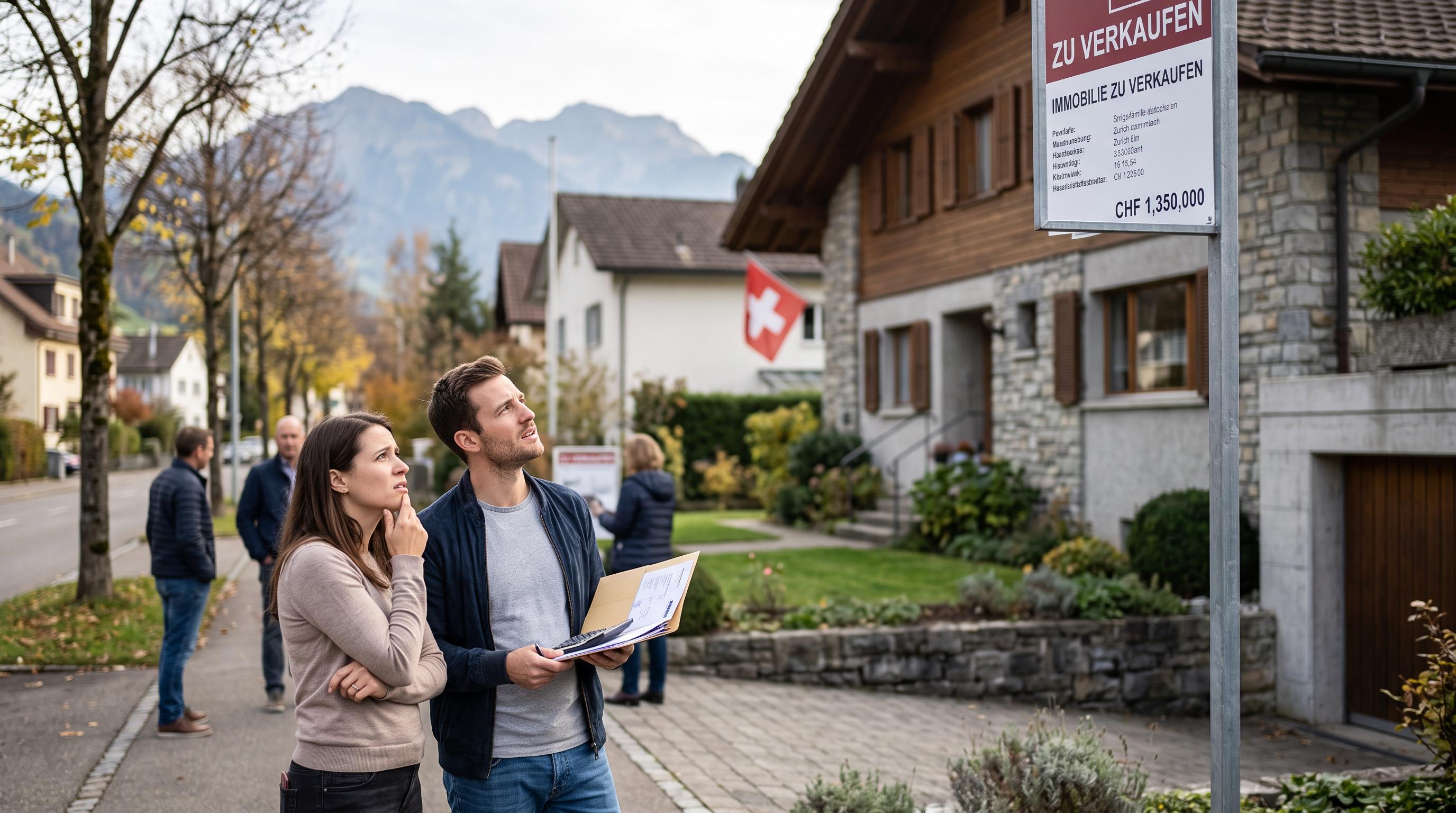
Prices Rise, Buyers Fall Behind
Swiss home prices rose 3.3% in a year, keeping pressure on households trying to buy their first property. The latest CIFI private property price index showed that buyers paid 0.8% more between July and September 2026 than in the previous quarter. Detached houses recorded the strongest annual increase, at 3.9%, while owner-occupied flats rose 2.8%.
The figures extend a price trend that has made ownership harder to reach across Switzerland. Households face high purchase prices, strict affordability tests and the need to provide substantial equity, even when mortgage rates and other borrowing conditions remain relatively favourable. A lower financing cost can reduce monthly payments, but it does not remove the upfront capital required to complete a purchase.
The market response is visible in transaction data. The property consultancy reported that transactions have fallen, alongside mortgage lending volumes. That suggests potential buyers are delaying purchases or abandoning them when asking prices exceed their budgets. For renters hoping to move into ownership, the latest increase adds another obstacle in a market where available homes remain limited.
Detached Homes Pull Further Ahead
Detached houses gained 3.9% year on year, outpacing flats and underscoring the premium attached to space and private outdoor areas. The quarterly increase for houses was 0.7%, slightly below the 0.8% recorded for owner-occupied flats. Over twelve months, however, the gap widened as house prices advanced faster than flat prices.
The CIFI figures cover the national property market and do not provide a canton-by-canton breakdown in the source material. Prices can vary sharply across Switzerland, reflecting differences in employment, transport links, land availability and local construction. A home near a major employment centre typically competes with more buyers than a similar property in a remote area.
Switzerland’s wider housing shortage adds to the pressure. Swissinfo has reported that strong immigration and insufficient construction have reduced the supply of homes. Limited supply constrains the number of properties available to first-time buyers and gives sellers more room to hold prices. It also pushes households toward smaller flats, longer commutes or continued renting. The latest index does not measure household incomes or affordability directly, but its price increases show why access remains difficult even when credit conditions are supportive.
Favourable Mortgages Fail to Open the Door
Falling transactions show that demand is meeting a financial ceiling. The consultancy behind the market data said property transactions declined, followed by a drop in mortgage lending volumes. That pattern points to a more selective market, where buyers remain interested but fewer can complete a purchase at current prices.
Mortgage conditions still offer some support. Borrowing remains relatively favourable, according to the report, yet financing terms cannot solve every barrier. Swiss lenders assess whether borrowers could continue to afford a mortgage under higher interest rates, and buyers must usually bring meaningful equity to the transaction. Rising prices increase the amount of cash required before a bank can approve the loan.
The result is a divided market. Households with existing property, substantial savings or family support are better positioned to act. Younger buyers and renters without those resources face a longer path to ownership. The data does not identify the share of rejected applications or quantify the affordability gap, so the precise number of excluded households remains unknown. It does show that favourable borrowing conditions have not translated into broader access to homes.
Investors Stay Active as Households Wait
Investment property prices rose 1.4% in one quarter, showing that professional demand remains strong even as households pull back. Apartment blocks and mixed-use buildings with commercial space attracted buyers between July and September, according to the report. Their performance contrasts with the decline in transactions and mortgage lending linked to owner-occupied housing.
Investors and private households operate under different conditions. Institutional buyers can spread risk across multiple units, assess rental income and deploy larger pools of capital. A family seeking one flat or house must meet the full purchase price and lending requirements alone. Strong investment demand can also keep competition high for apartment buildings and support prices across the wider market, although the source does not establish a direct causal link.
The next quarterly data will show whether the market settles into slower activity or whether prices continue their upward movement. For buyers, the immediate arithmetic remains clear: annual price growth of 2.8% for flats and 3.9% for detached houses has widened the amount of capital needed to purchase. Until supply expands or prices cool, many Swiss households will remain dependent on renting while they save for a shrinking set of affordable options.