Swiss tourism
Swiss tourism forecast to recover modestly this winter
Swiss tourism is forecast to grow modestly this winter after overnight stays fell 0.8% over the summer, the first seasonal decline since the pandemic began. Overnight stays in winter 2026/27 are expected to rise 0.9% to 18.9 million, although the war in Iran is weighing on demand from the Far East.
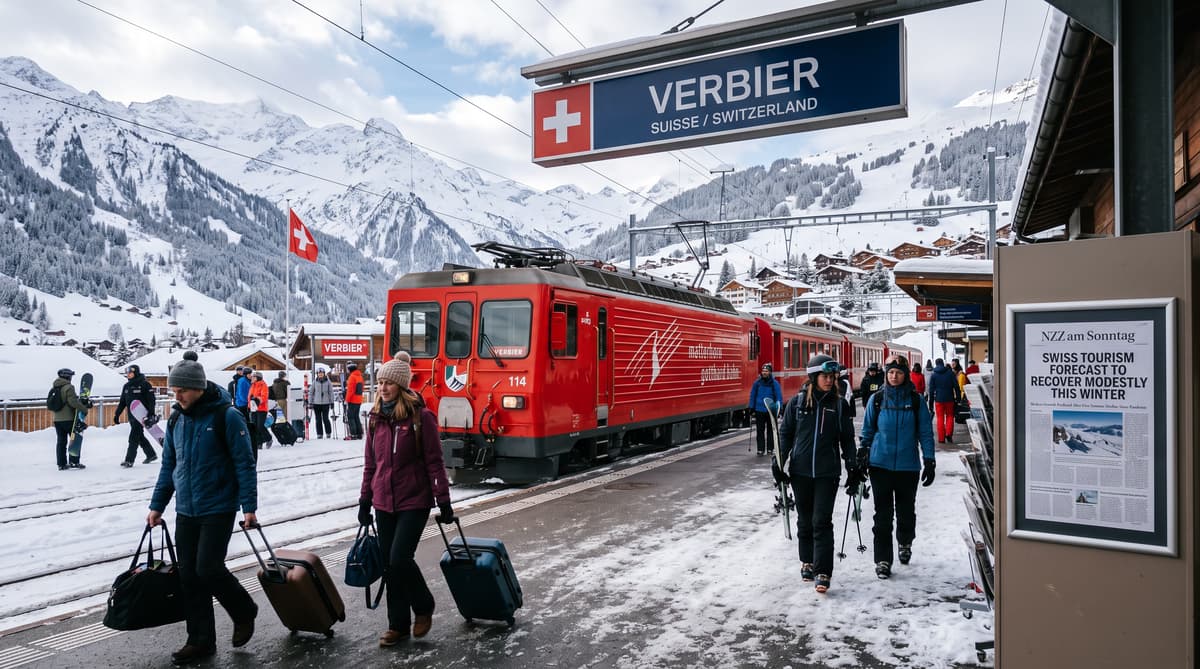
Swiss tourism is forecast to return to growth this winter, after overnight stays slipped during the summer for the first time since the Covid-19 pandemic began. BAK Economics expects stays in the 2026/27 winter season to increase 0.9% to 18.9 million, according to forecasts published on October 27, 2026.
The outlook, commissioned by the State Secretariat for Economic Affairs (SECO), points to a modest rebound rather than a sharp surge. It follows several summer seasons that reached record highs, before the latest figures turned down. The forecast gives Switzerland’s tourism sector a near-term improvement to track as it heads into winter, while the wider outlook remains shaped by conditions in international travel.
BAK Economics expects growth to continue beyond winter, with annual overnight stays forecast to climb in both 2027 and 2028. The projected gains remain moderate, and the conflict in Iran continues to weigh on long-haul demand, especially from Asia.
Track the seasonal shift
Summer overnight stays fell 0.8% to just under 25 million, marking the first seasonal decline since the pandemic began. BAK Economics noted the drop after several previous record highs. The decline puts the winter forecast in context: the expected increase of 0.9% would bring a change in direction, but only a measured one.
The winter projection covers the 2026/27 season and puts overnight stays at 18.9 million. It is part of tourism forecasts commissioned by SECO and prepared by BAK Economics. The summer and winter figures describe separate seasons, with the summer total just under 25 million and the winter forecast at 18.9 million.
The latest outlook also extends beyond the immediate winter period. BAK Economics expects tourism demand to gather momentum in 2028 as air travel continues to normalise. For now, the forecast is for gradual growth, following a summer setback after a run of record seasons.
Watch the long-haul headwinds
The war in Iran continues to constrain demand from long-haul markets, BAK Economics said. The conflict has significantly disrupted international air traffic, while rising kerosene prices have made air travel considerably more expensive. The impact is particularly evident in demand from Asia, where visitor numbers are expected to remain below pre-war levels.
That pressure tempers the broader winter recovery forecast. BAK Economics expects Swiss overnight stays to edge up in 2026/27, but says the Middle East conflict is still dampening tourism demand across long-haul markets. The outlook therefore combines a modest increase in total winter stays with continued weakness among some overseas visitors.
The forecast for summer 2027 points to a recovery in long-haul travel overall, with demand from those markets expected to rise 3.3%. Even with that projected improvement, Asian visitor numbers are expected to remain below their pre-war level. The sector’s outlook is tied in part to the disruption and added travel costs affecting international aviation.