Switzerland
Former Crans-Montana councillor charged over fatal bar fire
A former Crans-Montana municipal councillor has become the 17th person charged over the fatal New Year’s Eve fire at the Le Constellation bar, which killed 41 people and injured 115. The article should explain the alleged failures in building oversight, the charges of negligent manslaughter, bodily harm and arson, and the broader accountability questions raised by the expanding investigation.
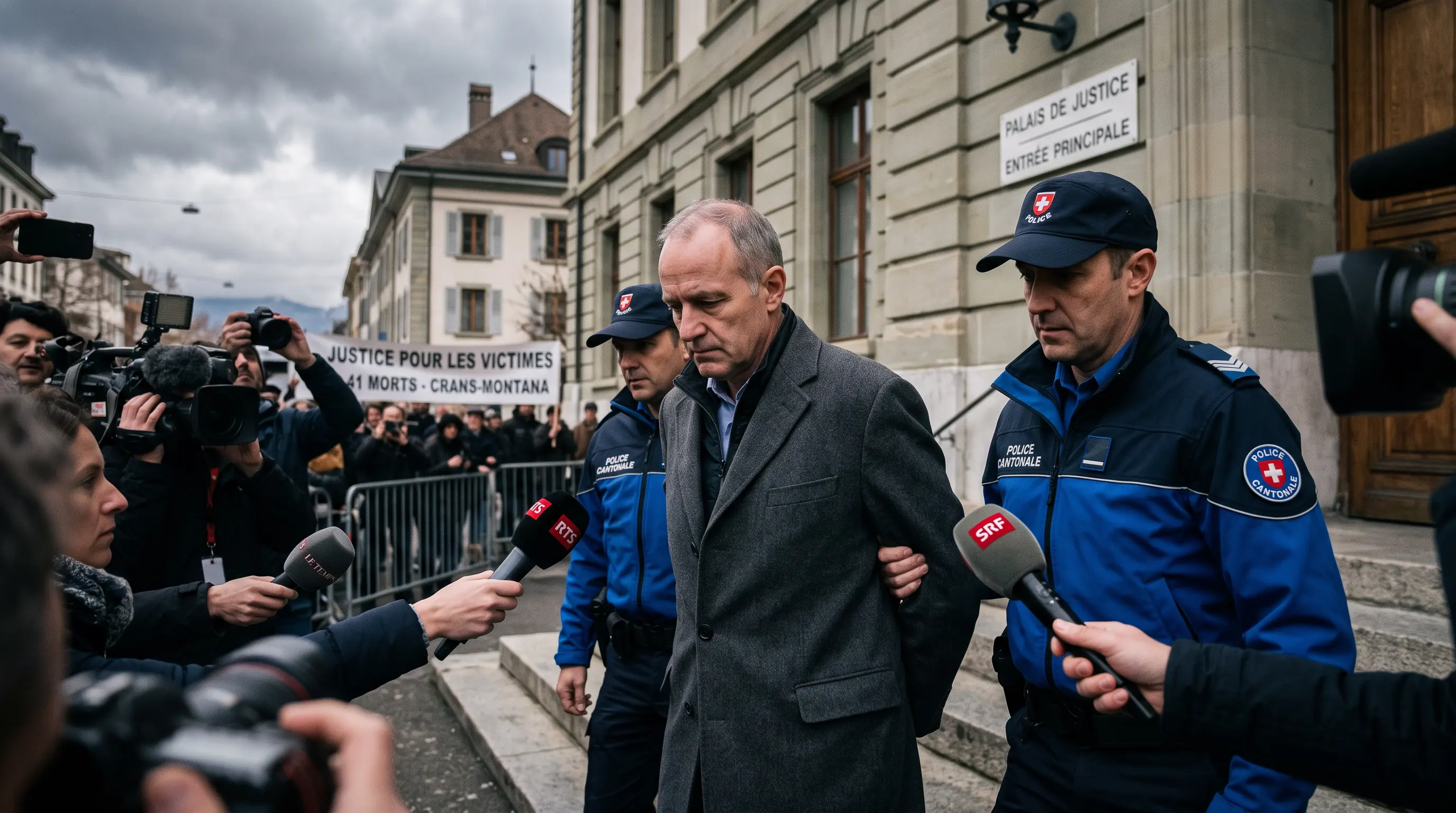
Former Councillor Joins the Case
The investigation now reaches into Crans-Montana's former municipal leadership. On Friday, August 28, the Valais Public Prosecutor's Office confirmed that a former municipal councillor had been charged in connection with the New Year's Eve fire at the Le Constellation bar. She is the 17th person to face charges in a disaster that killed 41 people and injured 115.
The woman served as the councillor responsible for building matters from 2017 to 2024. Her addition to the case broadens scrutiny beyond the bar's operators and toward the public officials responsible for construction oversight during those years. Prosecutors accuse all defendants of negligent manslaughter, negligent bodily harm and negligent arson.
The former councillor had been questioned on Friday as a person required to provide information. During the interview, investigators changed her legal status to that of a defendant, according to Swiss public broadcaster RTS. She then ended the interview, RTS reported. The Valais prosecution service confirmed the development to Keystone-SDA. The charge remains part of an ongoing investigation, and the source provides no account of the former councillor's response or of the specific conduct prosecutors attribute to her.
Put Building Oversight Under Scrutiny
The councillor's former portfolio places building oversight under legal examination. From 2017 to 2024, she was responsible for building matters in the municipality of Crans-Montana. The prosecution's decision to charge her signals that investigators are examining how public authorities handled their responsibilities before the fire.
The source does not detail which permits, inspections or decisions are under review. It does establish the institutional link: a former elected official with responsibility for construction matters is now facing the same core allegations as the other defendants. Those allegations concern deaths, injuries and the outbreak of the fire through negligence.
That development raises practical questions for the case. Investigators will need to establish what the municipality knew, which duties applied at the relevant time, whether warnings or irregularities existed, and whether any omission can be connected legally to the catastrophe. Those questions will be tested through the criminal process rather than settled by the charge itself.
The case also touches a wider Swiss debate over divided authority. A January analysis by Swissinfo described the Crans-Montana tragedy as exposing limits in the country's federal system. The expanding list of defendants places those questions in a courtroom setting in Valais.
Follow the Charges
Seventeen defendants now face the same three principal allegations. The Valais Public Prosecutor's Office says the charges are negligent manslaughter, causing bodily harm through negligence and arson through negligence. Together, they reflect the scale of the legal inquiry: 41 deaths and 115 injuries are being examined alongside the circumstances that allowed the fire to spread.
The latest charge does not mean the former councillor has been found guilty. It marks a change in procedural status during an interview and places her among the people prosecutors consider potentially responsible. The source does not identify the other defendants or describe the evidence gathered against them.
The case has also produced a separate allegation against bar co-owner Jessica Moretti. Since her last hearing in early June, Moretti has additionally been charged with forgery. That accusation is distinct from the negligence-related charges facing all defendants.
For victims' families and survivors, the investigation's widening scope may clarify how responsibility was distributed among private operators, officials and others connected to the premises. The legal process must still determine individual conduct, causation and criminal liability for each defendant.
Test Switzerland's Safety System
The expanding investigation is testing how Switzerland assigns responsibility for public safety. Crans-Montana is a Valais resort municipality where private businesses operate within a framework of local building control and cantonal prosecution. The former councillor's charge brings that framework directly into the case.
The practical consequences extend beyond one former elected representative. Municipalities will face renewed scrutiny over the records they keep, the inspections they conduct and the handover of responsibilities when officials leave office. Business owners and operators will also be judged against the safety duties attached to their premises. The prosecution's charges show that investigators are considering the fire as a chain of possible negligent acts, rather than limiting the inquiry to the person who owned or operated the bar.
The source gives no timetable for the next procedural steps and no indication of when a trial might begin. The former councillor's defence has not been reported. Until prosecutors complete the investigation and a court rules, the allegations remain unproven.
What is already clear is the breadth of the accountability question. The fire's death toll, injury count and expanding defendant list have made oversight in Swiss municipalities a central issue in the Crans-Montana case.