wildlife
Switzerland expands authorisations for preventive wolf culls
Switzerland has sharply increased authorisations for preventive wolf culls, partly following changes to the Hunting Ordinance. The decision highlights the growing conflict between rural protection demands, federal wildlife policy and conservation concerns.
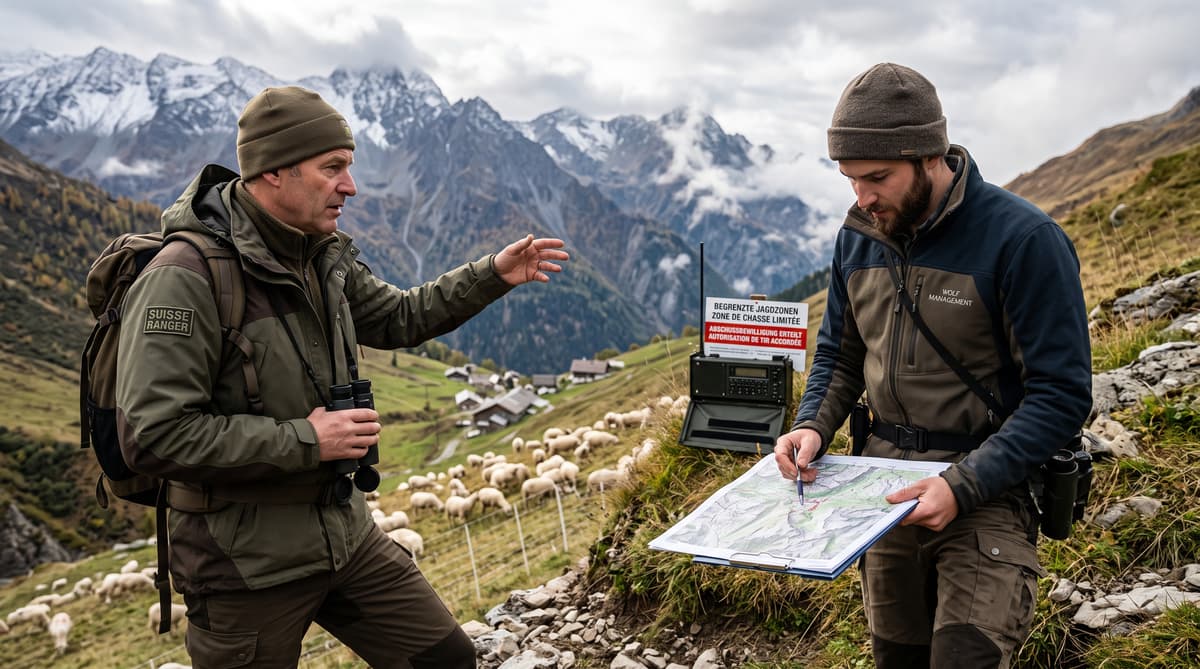
39 wolf packs now have legally binding preventive culling permits, up from 22 during the comparable period in 2025. The Federal Office for the Environment had issued the permits by the start of autumn 2026, marking a sharp expansion in the use of a policy that allows authorities to act before further damage occurs.
The decision places Switzerland’s wolf policy under renewed scrutiny. Farmers and mountain communities have pressed for faster protection of livestock, while conservation groups have warned that wider preventive culls could weaken the recovery of a species that returned to Switzerland after decades of absence. The latest figures show how quickly the issue has moved from isolated local disputes to a national wildlife management question.
The permits concern partial culls of packs, rather than the removal of every wolf in an affected area. The source report does not provide the number of wolves authorised for shooting, nor does it list the cantons covered by all 39 decisions. Those limits matter when assessing the practical scale of the policy.
The increase follows changes to the Hunting Ordinance and a broader rise in the number of wolf packs in Switzerland. Both factors are shaping the decisions now reaching cantonal authorities and rural communities.
New rules widen the legal route
The 2026 total is 17 packs higher than last year, according to figures from the FOEN. The change reflects a new legal framework as well as the expanding presence of wolves across the country.
The amendment to the Hunting Ordinance allows the FOEN to grant preventive authorisations under conditions that were narrower before. The Kora Foundation, which carries out work commissioned by the federal government, told Keystone-SDA that the FOEN can now authorise the culling of wolf pups even before their presence has been confirmed.
The FOEN gave a more specific explanation of how that provision operates. A spokesperson said young wolves may only be shot after their presence has been confirmed. The distinction separates an authorisation from its execution. Authorities may prepare for a possible intervention, but hunters still face a confirmation requirement before shooting a pup.
The competing descriptions underline the importance of the ordinance’s wording and implementation. They also make clear that the new rules do not remove all conditions from preventive culls. Each decision remains tied to the legal process governing wolf management, evidence and the protection of livestock.
For cantons, the amended ordinance provides more room to seek action against packs before conflict escalates. For conservation advocates, the wider scope raises questions about how authorities will document pack composition and determine when intervention is justified.
Cantons confront a growing presence
The FOEN says Switzerland has more wolf packs overall, giving a direct reason for the rise in applications for partial culls. As the population spreads through Alpine and rural landscapes, more packs come into contact with sheep pastures, farms and people managing seasonal grazing.
That explanation puts the figures in a wider geographic context. Preventive authorisations do not arise only from a change in legal language. They also reflect the number of packs that authorities must monitor and the number of locations where livestock protection has become a recurring concern.
Graubünden provides a recent illustration of the intensity of the debate. Swissinfo.ch reported that hunters shot 17 wolves in the canton during September 2026. That figure is separate from the national total of permits covering 39 packs, and it should not be treated as a count of all wolves killed under the new authorisations. It does show how quickly decisions can translate into action at cantonal level.
The practical consequences vary with terrain, livestock husbandry and the presence of established packs. The source material does not specify how many animals each permit covers or how many attacks triggered individual applications. Those details will be essential for judging whether preventive culls reduce losses and how they affect pack structure.
The next test will be measured in evidence
The policy now puts rural protection, federal oversight and conservation on the same track. The FOEN grants the permits, cantons apply the measures, and field evidence determines whether specific wolves can be shot. That division gives the federal government a central role while leaving implementation close to the communities affected by wolf activity.
The larger number of authorisations will likely keep the national debate focused on evidence. Farmers want protection that works during the grazing season. Conservation organisations will examine whether preventive action remains targeted, whether young wolves are correctly identified and whether culls alter the behaviour or stability of packs. The FOEN’s requirement for confirmation before young wolves are shot will be one point of attention.
The figures also create a clearer benchmark for future policy. The 39 permits issued by early autumn 2026, compared with 22 in 2025, provide a measure of how frequently authorities are using the revised framework. Future assessments will need to compare those permits with livestock losses, confirmed wolf presence, completed culls and changes in pack numbers.
Switzerland’s next phase of wolf management will therefore depend on records as much as authorisations. The immediate decisions concern individual packs, but the cumulative results will shape how the country balances protected wildlife with the realities of Alpine farming.