Switzerland
Iran conflict hits Jungfrau tourism as Asian visitor numbers fall
The conflict in Iran has sharply reduced visitor numbers from India and Southeast Asia at the Jungfraujoch, cutting Jungfrau Railways’ first-half revenue and profit. The story would assess the vulnerability of Swiss tourism to geopolitical shocks in key Asian markets.
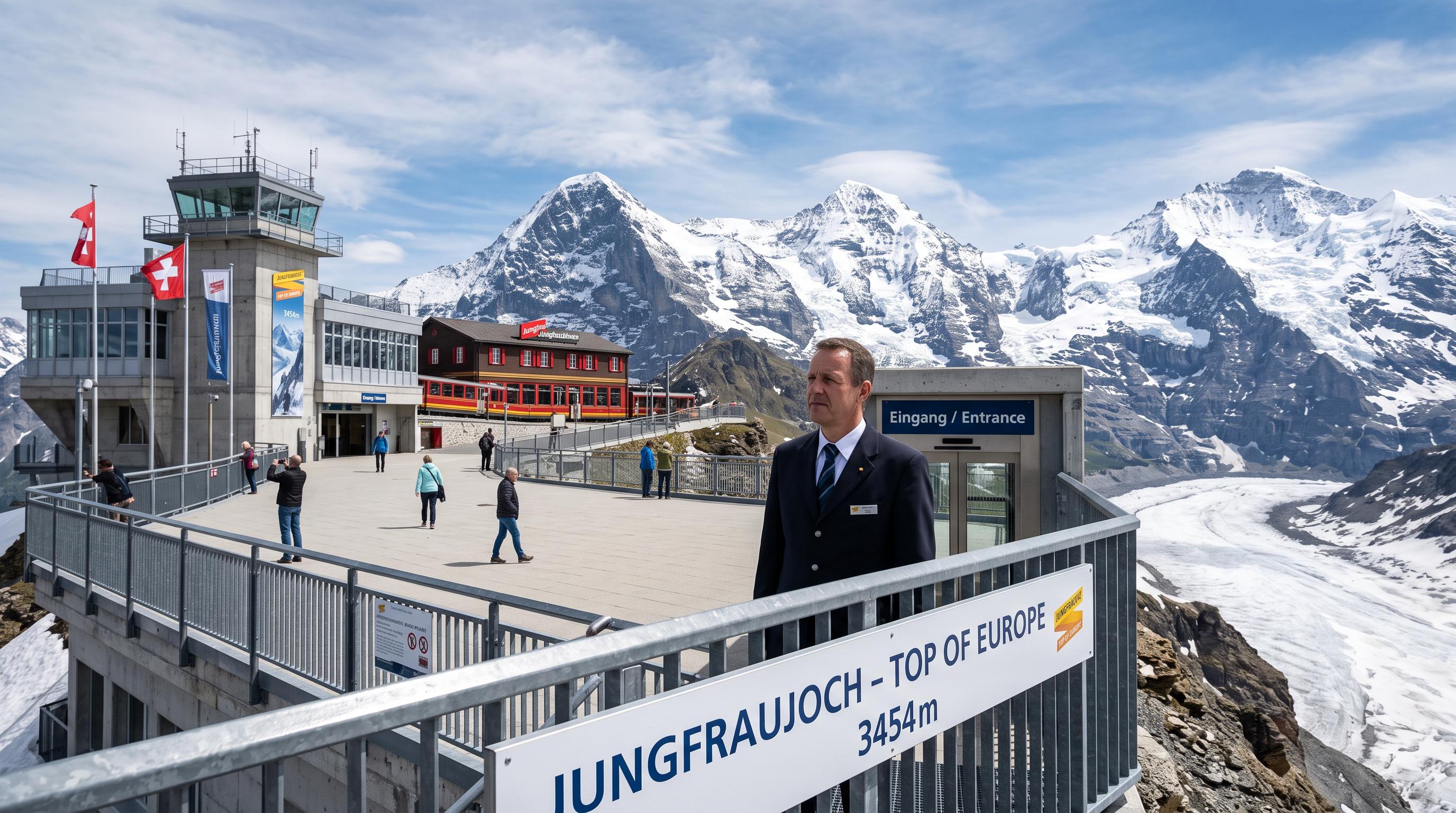
Asian visitors retreat from the Jungfraujoch
389,600 visitors reached the Jungfraujoch in the first half of 2026, almost 18% fewer than a year earlier. The fall followed the outbreak of the war in Iran and was particularly visible among travellers from India and Southeast Asia, important long haul markets for Swiss mountain tourism.
Jungfrau Railways, the Bernese Oberland operator behind the railway to Europe’s highest railway station, reported the effect in its half year results on August 28. Operating revenue dropped 9% to CHF 137 million, while profit fell 22% to CHF 29 million. The comparison is especially significant because the group had posted a record profit in the previous year.
The figures show how quickly international instability can reach a mountain railway in the Swiss Alps. Travel decisions are shaped by flight routes, group itineraries, family concerns and perceptions of regional risk. A conflict outside Switzerland can therefore affect ticket sales at a destination thousands of kilometres away.
Jungfrau Railways managed to limit the financial impact through higher revenue per visitor. That measure helped, but it did not replace the missing volume at the Jungfraujoch.
Geopolitics reaches Switzerland’s tourism pipeline
India and Southeast Asia supplied the clearest evidence of the shock. Jungfrau Railways said visitors from both markets were notably absent after the war in Iran began. The company did not publish a separate percentage decline for either market, but the timing linked the weaker demand to a geopolitical event rather than to a simple change in Alpine conditions.
Asian group tours have become a familiar sight at major Swiss landmarks. Their itineraries often combine cities, lakes and mountain excursions within a tightly scheduled European trip. When a regional conflict unsettles air travel or discourages long distance journeys, operators such as Jungfrau Railways can lose visitors before those travellers ever reach Switzerland.
The development also exposes a wider tourism vulnerability. Swiss tourism has recovered unevenly since the Covid pandemic. Visitors from the United States and India had rebounded strongly by 2025, while arrivals from China remained below pre pandemic levels, according to related reporting by Swissinfo. That uneven recovery leaves destinations dependent on a limited number of international markets.
Jungfrau Railways’ experience adds a new risk to the calculation: geopolitical events can disrupt demand even when Switzerland itself remains safe and accessible.
Adventure mountains cushion the decline
The Jungfrau region’s other attractions have absorbed the shock more effectively. From the beginning of July to August 23, around 494,300 guests visited the First, Harder Kulm and Mürren adventure mountains, about 5% more than during the previous record breaking year. Winter sports also faced less disruption than the Jungfraujoch.
The difference reflects the structure of the region’s offer. The Jungfraujoch depends heavily on international day visitors and organised tours travelling toward one highly recognisable summit destination. Adventure mountains can draw a broader mix of holidaymakers already staying in the Bernese Oberland. Local and European visitors may be more likely to make a flexible day trip, while long haul groups often build the Jungfraujoch into a fixed itinerary.
Summer demand did improve. During July and August, the decline at the summit eased, yet the Jungfraujoch remained 10% below the previous year by August 23. The company also reported that the trend toward fewer group tours continued.
The regional figures point to a practical buffer for Swiss tourism: a diversified portfolio of destinations can soften a drop at one flagship attraction, even when it cannot fully restore lost international traffic.
Swiss tourism weighs resilience against risk
Jungfrau Railways is keeping its outlook cautious as the second half of 2026 begins. The operator described bookings as “solid”, while warning that geopolitical conflicts and a fragile global economy could continue to influence demand. July and August brought some improvement, but the company still had fewer summit visitors than in the previous year by August 23.
For the Bernese Oberland, the results underline the importance of converting a single landmark into a broader regional stay. The First, Harder Kulm and Mürren figures show that visitors can remain willing to spend time in the Alps even when long haul group travel weakens. More flexible products, varied excursion options and demand from different source markets can reduce reliance on one route into the region.
The financial results also show the limits of pricing power. Higher revenue per visitor helped Jungfrau Railways protect earnings, yet profit still fell to CHF 29 million. A premium Alpine experience can compensate for some lost volume, not all of it.
Swiss tourism enters the remainder of the year with a mixed picture: resilient local and regional attractions, weaker summit traffic, and continued exposure to events beyond the country’s borders.