WHO
WHO job cuts threaten the global fight against air pollution
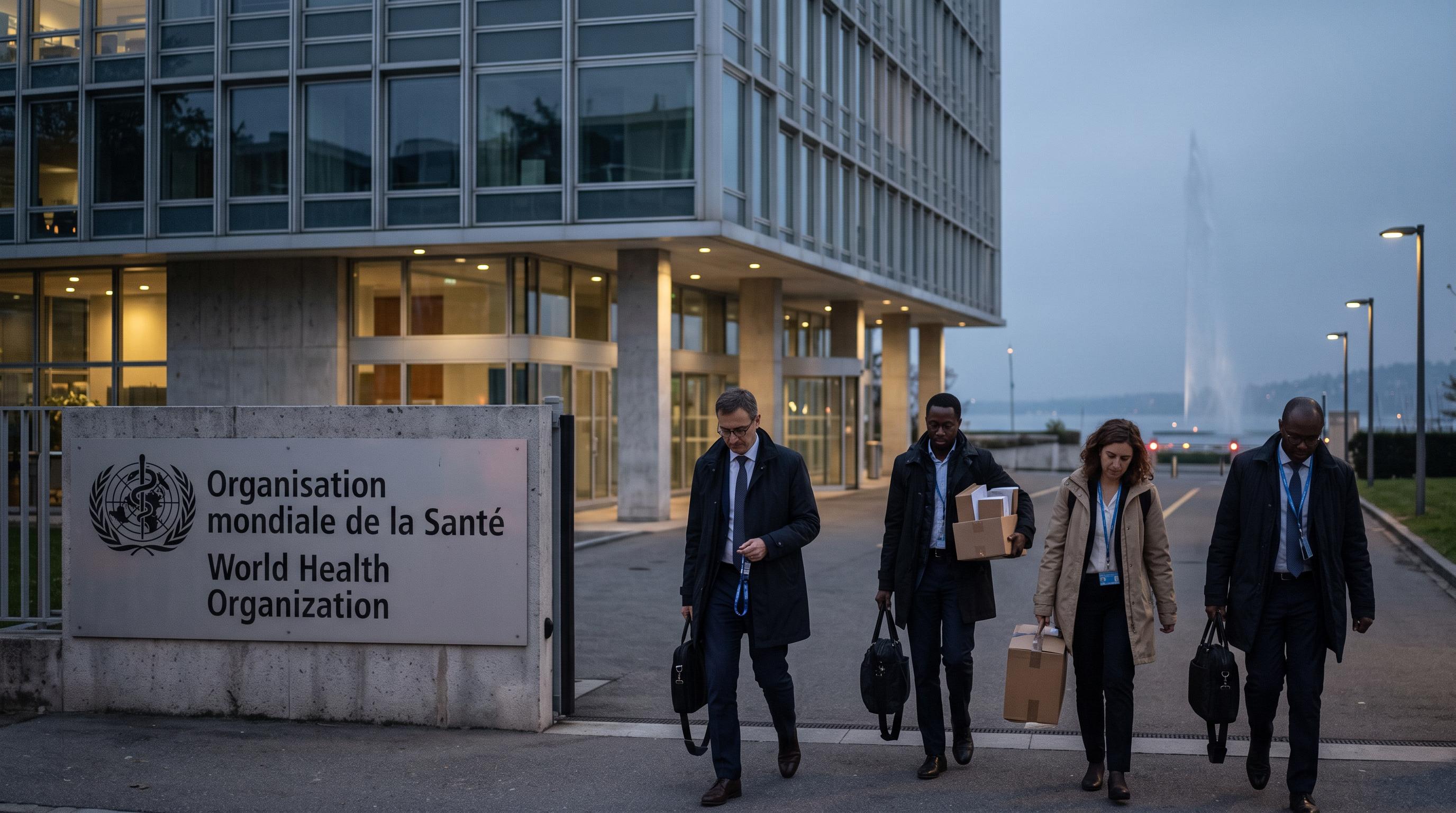
The World Health Organization is losing about 2,000 staff, or a quarter of its workforce, as humanitarian funding is cut. The reductions could weaken international work on air pollution and its major public-health consequences.
WHO Cuts Put Clean-Air Work at Risk
About 2,000 World Health Organization employees are facing job losses as humanitarian funding contracts. The cuts represent roughly one quarter of the WHO workforce, according to Swissinfo, and place a major international health function under pressure. The organisation is responsible for coordinating technical work across borders, including efforts to measure air pollution, explain its health effects and support governments developing cleaner-air policies.
The reductions follow funding cuts by the United States and other countries. Swissinfo’s September 14, 2026 report describes the consequences for millions of people who rely on international humanitarian and public-health systems. Air pollution is one area now at risk as the WHO reduces its staffing capacity.
The immediate effects will depend on which teams and programmes lose personnel. The available source does not identify specific offices, regions or programmes affected. It does establish the scale of the change: a quarter of the organisation’s workforce could disappear while countries continue to face pressure from polluted air and its associated health consequences.
For governments, researchers and health agencies, fewer WHO staff could mean less support with data, standards and coordination. Those functions rarely attract attention until they slow down. Their value lies in allowing countries to compare risks, share evidence and act on the same public-health information.
Coordination Keeps Pollution on the Agenda
Air pollution requires sustained international coordination, and that capacity is now exposed to budget decisions made far from the communities affected. National governments can monitor local emissions and regulate industries, transport and heating. The WHO provides a platform for countries to exchange health evidence and align their response to a problem that crosses borders.
When staff numbers fall, routine work can become harder to maintain. Technical guidance may take longer to produce. Meetings and country support may be reduced. Data projects can lose continuity when specialists leave. The source material does not quantify any of these effects, and it does not name individual WHO programmes facing closure. The risk described by Swissinfo concerns the organisation’s broader ability to reduce air pollution’s impact on public health.
That distinction matters. A workforce cut does not automatically end a programme, but it reduces the people available to run it. It can also increase the workload for remaining staff and national agencies. Countries with stronger domestic institutions may compensate more easily. Lower-income states and places facing humanitarian emergencies often have fewer alternatives when international expertise becomes less available.
The cuts therefore reach beyond Geneva. They affect the network of public-health workers, ministries and researchers that depends on international coordination to keep air-quality risks visible in policy decisions.
Health Expertise Faces a Capacity Gap
The WHO’s air-pollution role connects environmental conditions to health policy. Polluted air is often discussed through emissions, traffic or industrial output. Public-health agencies must also track what those exposures mean for people and health systems. That work helps governments frame air quality as a health issue rather than a narrow environmental file.
The available report gives no new global mortality estimate and does not provide a breakdown of affected staff by department. It does identify the public-health consequences of air pollution as a field that may lose capacity during the WHO’s workforce reduction. Precision is important because the source supports a warning about weakened international work, not a forecast of a specific number of additional illnesses or deaths.
A smaller organisation may have to focus on fewer priorities. It may rely more heavily on national authorities, universities and other international bodies. Those partners can provide expertise, but coordination still requires people who can set common methods, compare findings and translate evidence into guidance.
For health ministers, the practical concern is continuity. Air-quality policies often take years to design and enforce. Monitoring needs regular data. Public communication needs trusted institutions. If international support becomes less consistent, governments may receive fewer opportunities to test their assumptions against experience elsewhere. The resulting gaps may be difficult to see in annual budgets, even when they affect long-term health planning.
Geneva Watches the Funding Fallout
Switzerland hosts the WHO’s headquarters in Geneva, making the organisation’s staffing crisis a direct concern for the country’s international role. The source does not report a specific effect on Swiss federal, cantonal or municipal programmes. It does show how decisions by major donors can reshape an institution headquartered on Swiss soil and working with partners worldwide.
Swiss authorities already operate within a dense international health ecosystem. Geneva brings together the WHO, diplomatic missions, research institutions and humanitarian organisations. The WHO’s capacity influences that wider environment, particularly when countries need shared technical guidance or a channel for coordinating health priorities.
For Swiss residents, air pollution is experienced through daily exposure in cities, along transport corridors and in areas affected by seasonal weather patterns. The source does not provide Swiss air-quality readings or estimate local health costs, so those claims require separate evidence. The defensible point is narrower: a reduction in WHO capacity could make international support for air-pollution work less reliable, including for countries that contribute to and use global health systems.
The next decisions will concern the scope of the layoffs, the programmes protected from cuts and the funding available to rebuild capacity. Swiss policymakers, researchers and civil-society groups will be watching whether the WHO can preserve the technical networks that connect air-quality evidence with public-health action.