Healthcare
Switzerland’s shortage of doctors puts primary care under pressure
A shortage of primary-care doctors is putting growing pressure on Switzerland’s healthcare system. The gap is particularly acute in family medicine, raising concerns about access to basic care and regional inequality.
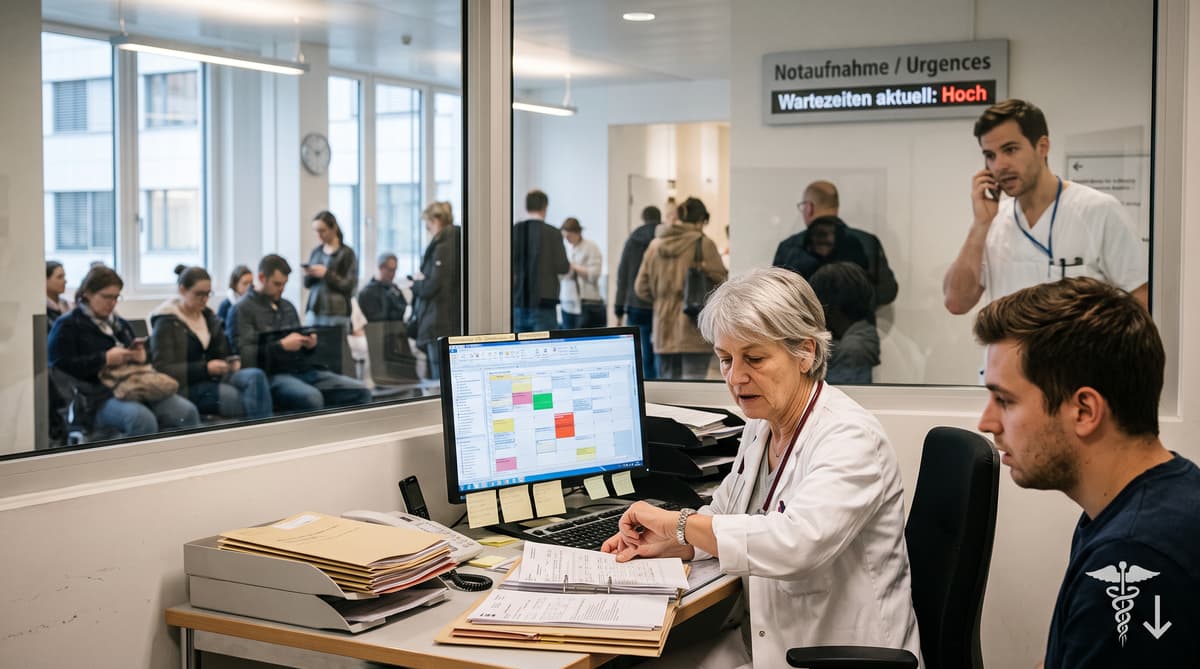
Switzerland’s primary-care network is already under strain. A report published by The Local on 12 October 2026 identifies a serious shortage of doctors, with the gap most clearly felt in primary care. These physicians are usually the first point of contact for patients seeking advice, diagnosis, treatment or a referral to a specialist.
The immediate concern is access. When too few doctors are available, patients can face greater difficulty finding a practice that accepts new patients or securing an appointment when they need one. The pressure does not fall on one group alone. It affects people seeking routine care, those managing ongoing conditions and patients whose symptoms require early assessment.
The available reporting does not give a national count of vacant positions or specify how many patients are waiting longer for appointments. It does establish the direction of travel: Switzerland has a shortage of primary-care physicians, and that shortage is affecting the country’s ability to provide timely care. With demand for medical services expected to rise, the system has little room for further disruption.
Protect primary care
Primary-care doctors carry the first load of a healthcare system. They assess new symptoms, provide continuing treatment and guide patients through the wider medical network. A shortage at that entry point can affect the pace of care well beyond the doctor’s office.
The Local’s report focuses on the scarcity of primary-care physicians rather than on a shortage confined to one specialty. That distinction matters for patients. When people cannot reach a regular doctor, they may struggle to obtain advice for common illnesses, renew treatment plans or decide whether they need specialist attention. The source does not quantify those effects, but it links the shortage directly to growing pressure on access.
Switzerland’s system therefore faces a capacity problem at the point where many patient journeys begin. The report does not identify particular cantons or towns as the most affected, so regional comparisons cannot be drawn from the available evidence. What is clear is that the shortage has moved beyond a workforce concern. It is now a practical issue for patients trying to enter the healthcare system.
Track the growing demand
Rising demand will test a system that is already short of doctors. The report warns that the pressure could worsen as more people require medical services. It does not attach a figure to that increase, yet the relationship is straightforward: if demand grows while the number of available physicians remains insufficient, access becomes harder to maintain.
That pressure can appear in several ways, including fuller practice schedules and fewer openings for new patients. It can also make continuity of care more difficult when patients move between providers because they cannot find a permanent primary-care doctor. The source does not provide waiting-time data, patient surveys or figures on emergency department use, so those consequences should be monitored rather than assumed.
The shortage also creates a planning challenge for Swiss health authorities, medical organisations and training institutions. They need reliable information on where access is deteriorating and which services are carrying the additional demand. The Local article establishes the problem, but it leaves the scale of the future gap open. Further national and cantonal data will be needed to measure how quickly the pressure is spreading.
Measure the gap before it widens
Switzerland needs a clearer picture of where the shortage is hitting patients. The available report provides a firm warning about primary care, but it does not state how many doctors are missing, how many practices have closed their lists or how appointment availability differs between cantons. Those gaps in the public record make it difficult to judge the scale of the problem or compare conditions across the country.
The next stage of the debate will depend on better measurement. Policymakers and healthcare institutions will need to track the supply of primary-care physicians alongside patient demand, access to appointments and changes in the use of other medical services. Training capacity, recruitment and the distribution of doctors will also shape the response, but the source does not document current government programmes or proposed reforms.
For patients, the issue is immediate: finding a doctor is becoming harder in a system that depends on primary care to organise access. The Local’s report places that pressure on the national agenda. Its warning is clear, while the figures needed to plan the response remain to be supplied.