adoption
Switzerland Plans International Adoption Ban Following Historical Investigation
Swiss government moves to prohibit international adoptions after study reveals systematic irregularities in past practices, affecting thousands of cases between 1970-1999.
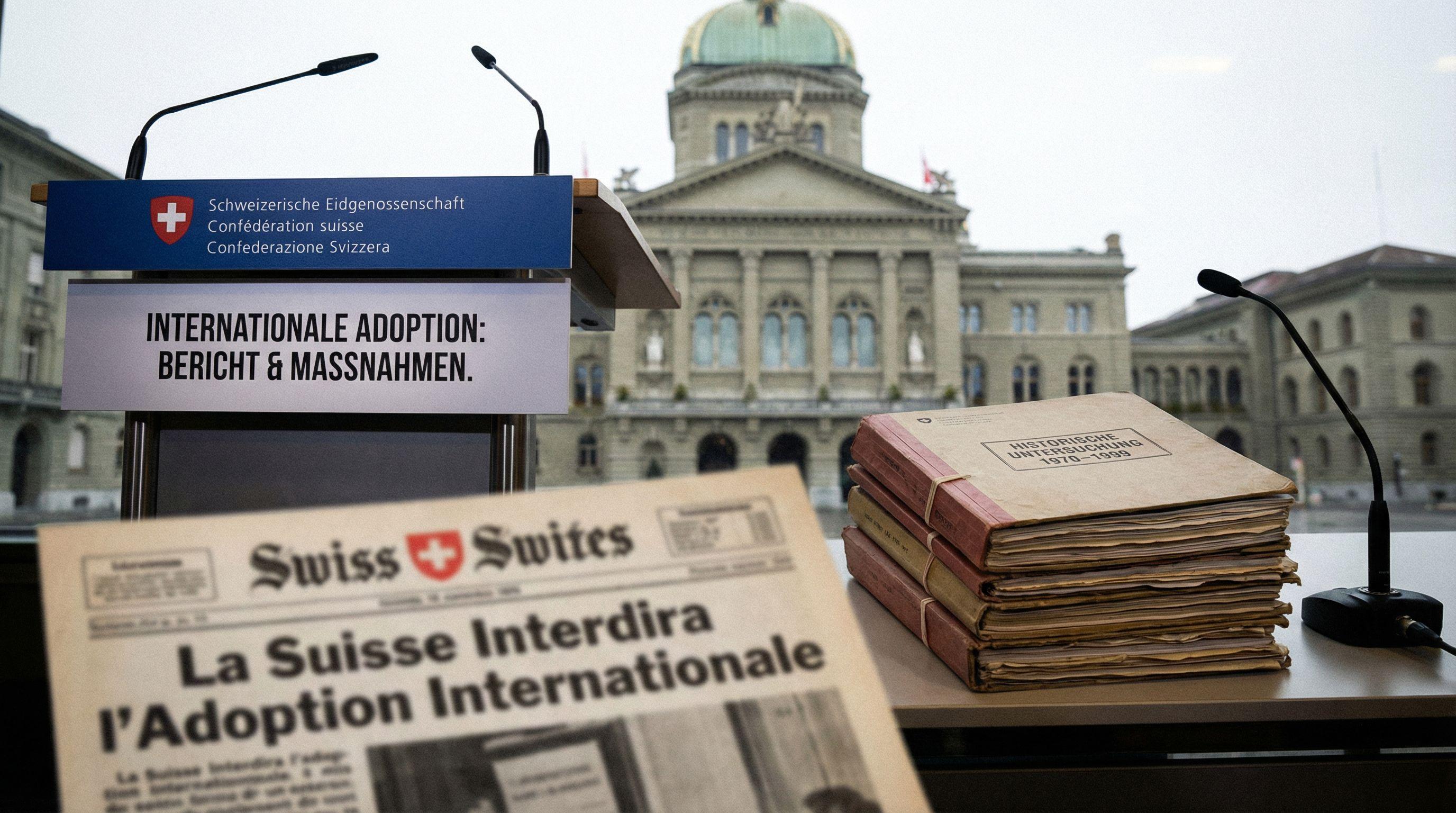
Swiss Government Announces International Adoption Ban
In a landmark decision, the Swiss government has announced plans to implement a complete ban on international adoptions. This dramatic policy shift comes in response to revelations of widespread irregularities in past adoption practices. The decision represents a significant departure from Switzerland's historical position on international adoptions and places the country at the forefront of a growing global movement to reform international adoption practices.
Historical Investigation Reveals Systematic Issues
A comprehensive study by the Zurich University of Applied Sciences (ZHAW) uncovered systematic failures in international adoptions between 1970 and 1999. The investigation revealed troubling practices including child trafficking, document forgery, and missing information about children's origins. Both federal and cantonal authorities were found to have demonstrated significant negligence in their oversight roles, leading to thousands of potentially irregular adoptions.
Impact and Scope of Past Irregularities
The scale of irregular adoptions is substantial, affecting children from multiple countries including Bangladesh, Brazil, Chile, Guatemala, India, Colombia, South Korea, Lebanon, and Romania. The investigation highlighted how adoption numbers have dramatically changed over time - from approximately 1,000 annual adoptions in the 1980s to just 30 per year currently. Many cases involved missing parental consent, falsified birth documents, and unclear origins of adopted children.
Expert Perspectives and Implementation Challenges
Experts, including Philip Jaffé from the UN Committee on the Rights of the Child, have raised concerns about the practical implementation of the ban. They point out potential loopholes and challenges in enforcement, particularly regarding international surrogacy and adoptions processed in other jurisdictions. The timing of the ban has also been questioned, with some experts noting the irony of implementing strict measures when adoption numbers are already at historic lows.
Future Implications and Policy Considerations
The proposed ban raises important questions about the future of international adoptions and child welfare in Switzerland. While aimed at preventing historical abuses from recurring, the policy must balance child protection with the needs of families seeking to adopt. The government faces the challenge of implementing effective enforcement mechanisms while addressing potential loopholes in international adoption and surrogacy practices. This development could influence similar policy discussions in other countries grappling with international adoption reforms.